How to use vpn on microsoft edge - a comprehensive guide to using VPN extensions and system-wide VPNs in Edge 2026
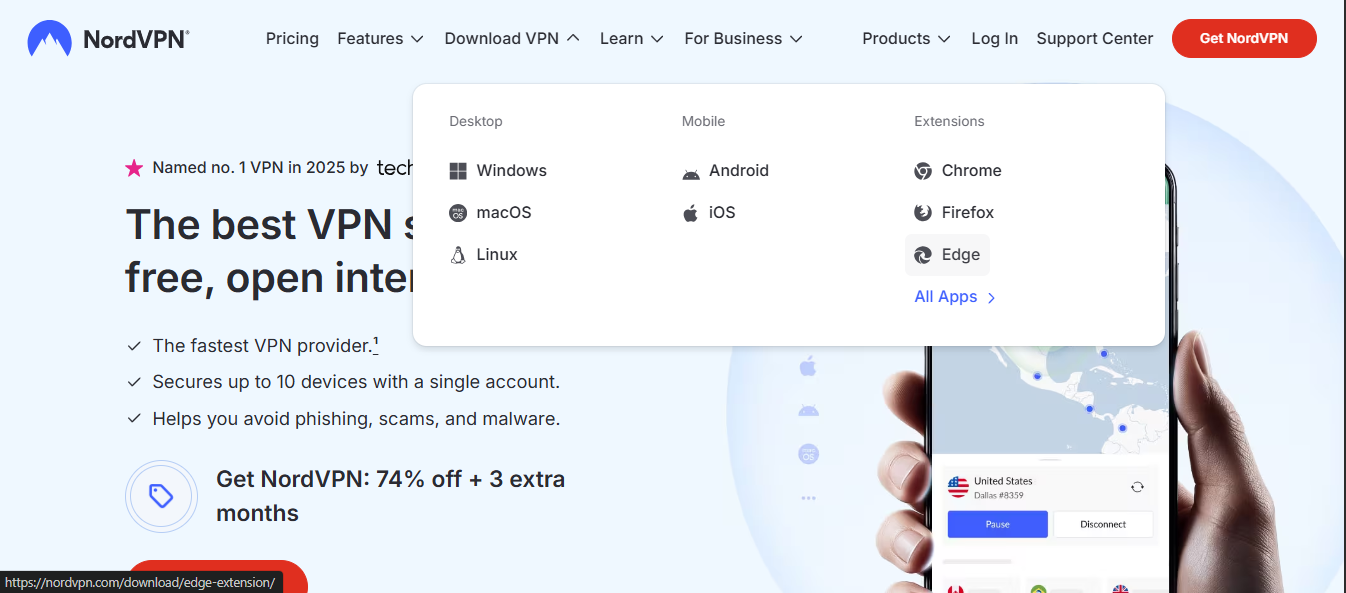
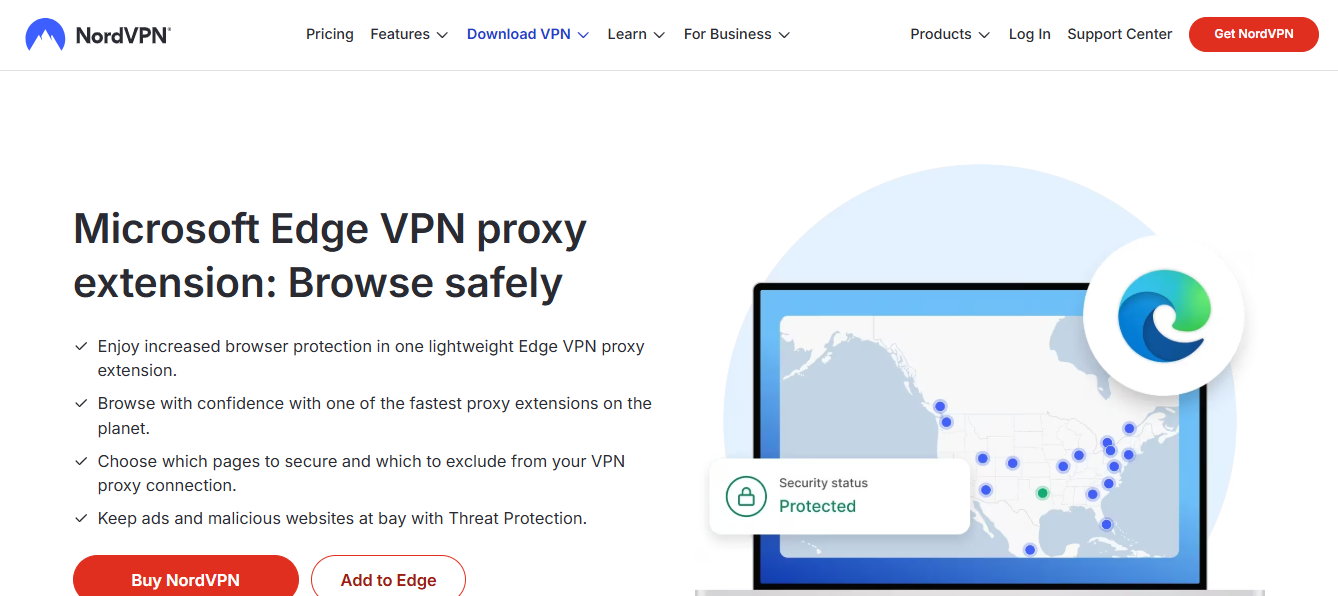
How to use vpn on microsoft edge a comprehensive guide to using vpn extensions and system wide vpns in edge — here’s the quick answer: you can protect your online activity by either installing a VPN extension directly in Edge or setting up a system-wide VPN that affects your entire device and all browsers. This guide is your practical, go-to resource for both approaches, plus tips to optimize speed, security, and streaming access.
- Quick fact: Edge supports a large library of VPN extensions from the Microsoft Edge Add-ons store, plus you can configure a native VPN on Windows for system-wide protection.
- In this guide you’ll find:
- Step-by-step: installing a VPN extension in Edge
- Step-by-step: configuring a system-wide VPN on Windows
- Comparisons: extension vs. system-wide VPNs
- Troubleshooting: common issues and fixes
- Real-world tips: performance, privacy, and streaming considerations
- Useful resources text only: VPN comparison sites, Edge support pages, Windows networking docs, privacy resources, and more.
Overview: VPNs in Edge vs. System-wide VPNs
- VPN extensions in Edge:
- Pros: quick to enable, no system reboot, easy to switch servers, minimal impact on system resources.
- Cons: depends on the extension’s policy and performance, may not encrypt all traffic outside the browser.
- System-wide VPNs on Windows:
- Pros: encrypts all traffic, protects all apps, works in any browser.
- Cons: setup can be more complex, can affect network speeds if the VPN server is far away or overloaded.
- Most users start with an extension for convenience and add a system-wide VPN if they need full-device protection or work with apps outside the browser.
What you’ll need
- A Microsoft Edge browser latest version recommended
- A reliable VPN service with Edge-compatible extensions or Windows VPN configuration paid or trusted free options
- Basic familiarity with Windows network settings
Section: Quick-start guide to using a VPN extension in Edge
- Choose a VPN extension
- Go to Edge Add-ons store and search for a trusted VPN extension you’ve heard good things about.
- Check ratings, reviews, and whether the extension is from the official VPN provider.
- Make sure the extension supports features you care about kill switch, leak protection, servers, protocol options.
- Install the extension in Edge
- Open Edge, go to Settings and more three dots > Extensions > Get extensions from Microsoft Edge Add-ons.
- Find your chosen VPN and click "Get" then "Add extension."
- You’ll likely be prompted to log in to your VPN account. Do so to activate.
- Configure basic settings
- After login, pick a server location to start. If you’re streaming, pick a server close to your location for better speeds; if you’re bypassing regional blocks, pick the location you need.
- Enable options like Kill Switch and DNS Leak Protection if available.
- Some extensions auto-connect on startup; you can disable that if you prefer to connect manually.
- Verify your connection
- Check the extension’s status indicator; it should show connected.
- Visit a site like whatismyipaddress.com to confirm your IP address and location reflect the VPN server.
- Best practices and tips
- Use the latest Edge version to avoid compatibility issues.
- If you notice slow speeds, switch to a closer server or try a different protocol if your extension supports it OpenVPN, WireGuard, etc..
- When finished, disconnect and remove the extension if you no longer need it for privacy.
Section: How to set up a system-wide VPN on Windows affects Edge too
- Pick a VPN that supports system-wide connections
- Look for a VPN with a Windows client that supports OpenVPN, WireGuard, or its own protocol.
- Ensure the provider has a good privacy policy and doesn’t log unnecessary data.
- Install the VPN client
- Download from the provider’s official site and install following on-screen instructions.
- Launch the app and sign in with your account.
- Configure the connection
- Choose a server location depending on your goal speed vs. access to region-specific content.
- Enable security features: Kill Switch, DNS leak protection, and auto-connect on startup if you want persistent protection.
- If you’re on Windows 10/11, ensure the VPN is allowed through firewall and that the protocol is enabled as needed.
- Connect and verify
- Connect to a server and use a site like whatismyipaddress.com to confirm your traffic is routed through the VPN.
- Test both browser traffic and app traffic to ensure full coverage.
- Advanced tips
- Split tunneling: Some VPNs let you choose which apps go through the VPN. If you only want Edge to use VPN, this is handy.
- DNS settings: Use the VPN’s DNS or a trusted public DNS to prevent leaks.
- Kill Switch: Make sure it’s enabled so if the VPN drops, traffic won’t flow unsecured.
Section: Comparison: Edge extensions vs. system-wide VPNs a quick side-by-side
- Coverage:
- Edge extension: browser-only
- System-wide: all apps and services
- Setup:
- Edge extension: quick, 5–10 minutes
- System-wide: 10–20 minutes, depending on configuration
- Security:
- Edge extension: depends on provider; some offer strong protection, others are limited
- System-wide: generally stronger, more consistent
- Performance:
- Edge extension: often lighter, but depends on server and extension efficiency
- System-wide: can be heavier; speed depends on server distance and encryption
- Use case:
- Edge extension: casual browsing, quick privacy, occasional streaming
- System-wide: work with sensitive data, streaming across apps, gaming, and all browser traffic
Section: Common setup scenarios and walkthroughs
- Scenario A: You want quick privacy for browsing and streaming in Edge
- Install a trusted VPN extension, enable Kill Switch, choose a nearby server, test IP, and enjoy.
- Scenario B: You need privacy for all apps on a Windows laptop
- Install a Windows VPN client, enable system-wide protection, configure DNS, test all apps for leaks.
- Scenario C: You’re working remotely and need to access internal company resources
- Use a VPN with a corporate-friendly protocol, ensure split tunneling is set so work traffic goes through VPN, test access to internal resources.
Section: Performance optimization tips
- Server proximity matters: choose servers physically nearer to you to reduce latency.
- Protocol choice: WireGuard often offers a good balance of speed and security; OpenVPN is more widely supported but can be slower.
- Enable QoS or bandwidth settings if your router supports it.
- Close unnecessary background apps that consume bandwidth when testing VPN speeds.
- Use a wired connection when possible for stable performance.
Section: Privacy and security considerations
- No-logs policy: Read the privacy policy; some providers claim no logs but still collect metadata.
- Data protection laws: Depending on region, providers are subject to different data retention laws.
- DNS and IP leaks: Regularly test for leaks using reputable online tools.
- Kill Switch: Essential for maintaining privacy if the VPN drops.
- Browser fingerprinting: A VPN extension helps protect IP but won’t fully anonymize your fingerprint.
Section: Streaming and geo-unblocking
- Many VPNs offer optimized servers for streaming. If you’re having trouble accessing a streaming service, try a different server in a nearby country.
- Some platforms actively block VPNs; switching servers or protocols can help.
- Turn off IPv6 if you’re experiencing leaks or connectivity issues, unless your VPN supports IPv6 properly.
Section: Troubleshooting common issues
- Issue: VPN extension won’t connect
- Check account login, server status, and reload extension. Disable conflicting extensions, clear cache, restart Edge.
- Issue: System-wide VPN won’t connect
- Ensure Windows networking stack is updated, reset network adapter, re-install VPN client, check firewall rules.
- Issue: Slow speed
- Try a closer server, switch protocols, reduce encryption level if safe, disable other bandwidth-heavy apps.
- Issue: DNS leaks
- Use VPN DNS or configure to a secure DNS. Enable DNS leak protection in the app.
- Issue: IP shows real location
- Disconnect, reconnect, try another server, reboot device.
Section: Security best practices for Edge users
- Always enable Edge’s security features and keep the browser updated.
- Use strong, unique passwords for VPN accounts and enable two-factor authentication where possible.
- Periodically review app permissions for extensions and remove unused ones.
- Avoid downloading files from untrusted sources while connected to VPN; malware is a separate risk.
Section: Edge-specific tips and tricks
- Pin your VPN extension to the toolbar for quick access.
- Use Edge profiles to separate work and personal sessions with different VPN configurations.
- If you experience login issues on certain sites, test with VPN on and off to see if geolocation or IP is the culprit.
Section: Data usage and bandwidth considerations
- VPNs can add overhead; expect 5–20% slower speeds on average, depending on server distance and protocol.
- If you’re on a metered connection, monitor data usage since VPN encryption adds overhead.
FAQ Section
Frequently Asked Questions
Can I use a VPN extension in Edge without installing anything on Windows?
Yes, you can install and use a VPN extension directly in Edge, which covers browser traffic. For full device protection, consider a system-wide VPN.
Will a VPN extension protect my entire computer or just Edge?
A VPN extension typically protects only Edge browser traffic. A system-wide VPN protects all traffic from the device.
Do VPN extensions slow down my browsing?
They can. Speed depends on the extension, server location, and the provider’s network quality. Try different servers or protocols to improve speed.
Is it safe to use any VPN extension from the Edge Add-ons store?
Only install extensions from trusted providers and verify reviews, permissions, and privacy policies.
How do I test if my VPN is working correctly?
Visit whatismyipaddress.com or ipinfo.io to verify that your IP and location match the VPN server. Also check for DNS leaks. How to turn off vpn on microsoft edge 2026
Can I keep VPN on while gaming in Edge?
If you’re gaming through a browser, a VPN extension can help somewhat, but a system-wide VPN may offer more consistent protection and lower ping impact depending on servers.
What is a kill switch, and should I enable it?
A kill switch stops all internet traffic if the VPN disconnects to prevent data leaks. It’s highly recommended for privacy-focused users.
Are there risks to using free VPNs?
Free VPNs often come with limits, slower speeds, data caps, and questionable privacy practices. A paid, reputable VPN is typically safer and faster.
How do I disable the VPN extension in Edge quickly?
Open Edge, go to Extensions, find your VPN extension, and click "Remove" or toggle off.
Can I use two VPNs at once Edge extension and system-wide?
Using two VPNs simultaneously is usually not recommended and can cause connection issues. Pick one approach—extension for quick use or a system-wide VPN for full protection. How to open edge vpn: step-by-step guide to enabling Edge VPN features and using Edge Secure Network on Windows 2026
If you’d like, I can tailor this guide to a specific VPN provider you’re considering and add setup screenshots or a printable checklist.
Yes, you can use a VPN on Microsoft Edge by installing a VPN extension from the Edge Add-ons store or using a system-wide VPN that routes Edge traffic. This guide walks you through both options, shows you how to test your connection, flags privacy and security considerations, and ships with practical tips so you can stay safe online while browsing with Edge. If you’re in a hurry, here’s the quick gist: install a browser extension for quick, Edge-only protection, or install a Windows VPN app for full-device protection that covers Edge and other apps. For a quick, reliable option, NordVPN is currently offering a substantial discount—77% OFF + 3 Months Free. NordVPN 77% OFF + 3 Months Free
What you’ll learn in this guide:
- The two main ways to use a VPN with Microsoft Edge: browser extensions vs. system-wide VPN apps
- Step-by-step setup for each method
- How to test your VPN connection and verify proper routing
- Privacy, security features, and best practices for Edge users
- Troubleshooting tips for common VPN-edge scenarios
Why use a VPN with Microsoft Edge
Using a VPN with Edge protects your browsing by encrypting data in transit, masking your IP address, and helping you bypass geo-restrictions for streaming or research. In today’s online , many people want the convenience of Edge’s performance and compatibility with Windows while still keeping their data private on public Wi-Fi or when traveling. The VPN market has seen steady growth as more people seek online privacy, with providers investing in faster servers, better encryption, and browser-specific features. For Edge users, that translates into two practical options: lightweight browser extensions that route Edge traffic through a VPN service, and full-system VPN apps that secure all network activity on the device.
Two main approaches to using a VPN with Edge
- Browser extension Edge-only protection: quick to install, easy to toggle, and perfect if you primarily want Edge traffic covered.
- System-wide VPN app Windows: harder to beat for complete device protection, including Edge, other browsers, and apps like email clients or chat tools.
Understanding the difference helps you pick the right setup for your needs. If you just want to anonymize Edge browsing and don’t mind some apps routing separately, an extension is enough. If you require full-device protection, choose a VPN app and enable features like a kill switch and DNS leak protection. How to set vpn in edge 2026
Using a VPN extension in Microsoft Edge
Follow these steps to add a VPN extension directly to Edge:
- Open Microsoft Edge and go to Extensions
- In Edge, click the three-dot menu in the top-right corner, then choose Extensions.
- You can also visit the Edge Add-ons store directly from the browser.
- Find a reputable VPN extension
- Search for well-known names like NordVPN, ExpressVPN, ProtonVPN, Surfshark, or TunnelBear.
- Read reviews, check reviews for reliability, and confirm the extension is from a legitimate publisher.
- Install and sign in
- Click Get or Add to Edge to install the extension.
- After installation, you’ll usually be prompted to sign in with your VPN account credentials.
- Some extensions offer a free plan with limited servers. paid plans unlock more locations and features.
- Enable the VPN extension and configure settings
- Turn the extension On or connect to a preferred server location.
- Many extensions offer a one-click “Connect” button and allow you to choose your server by country or city.
- Look for features like a kill switch to block traffic if the VPN drops, DNS leak protection, and auto-connect on startup.
- Verify Edge traffic is going through the VPN
- Visit a site that shows your IP address for example, whatismyipaddress.com to confirm the IP matches the VPN server’s location.
- Check for IPv6 handling: some extensions route IPv4 traffic through the VPN and may leak IPv6. disable IPv6 in Windows if you don’t need it, or enable the VPN’s IPv6 handling if available.
- Practical tips for extension use
- Enable auto-connect on startup so Edge is protected as soon as you boot.
- Use “kill switch” or equivalent features to prevent data leaks if the VPN disconnects.
- If you frequently switch networks, consider a server list with a favorites feature to minimize connection time.
What to know about Edge extension limitations:
- Some VPN extensions only route Edge traffic, leaving non-Edge apps unprotected.
- Extensions can sometimes conflict with other Edge extensions ad blockers, privacy tools or with corporate security policies.
Using a Windows VPN app system-wide VPN with Edge
This path gives you full-device protection, not just Edge. Here’s how to set it up on Windows:
- Pick a reputable Windows VPN app
- Most mainstream VPNs offer a Windows app with a simple interface, multiple server locations, and security features such as a kill switch and DNS leak protection.
- Install the VPN app
- Download the installer from the provider’s official site and run it.
- Follow the on-screen prompts to install. If you’re on a corporate device, you may need admin rights.
- Sign in and set up
- Open the app and sign in with your account.
- Review the settings: enable the kill switch, DNS leak protection, and auto-connect on startup if you want continuous protection.
- Connect to a server
- Choose a server location based on purpose: closest location for speed, or a location that bypasses geo-restrictions.
- Some apps offer optimized servers for streaming or gaming. try these first if you’re aiming for performance.
- Verify Edge traffic is protected
- With Windows-wide routing, Edge traffic should be encrypted and tunneled through the VPN automatically.
- Use whatismyipaddress.com to confirm the VPN server location is visible and that your real IP is hidden.
- Advanced options you might use
- Split tunneling: route only certain apps including Edge through the VPN while leaving others like a local bank site outside the tunnel.
- IPv6 handling: disable IPv6 in Windows if your VPN doesn’t support it well, or enable the VPN’s IPv6 support if available.
- Kill switch and DNS leak tests: perform periodic checks to ensure your data isn’t leaking if the VPN drops.
- Edge-specific considerations with system-wide VPNs
- Some Edge settings or extensions may behave differently while the VPN is on due to how Windows handles network routes.
- If you run into issues loading certain pages, try changing VPN server location or temporarily disabling the VPN to test connectivity.
Choosing the right server and optimizing performance
- Server proximity vs. content access: A closer server usually means better speed, but to access region-locked content, you’ll need a server in the appropriate country.
- Server load: Many VPN apps display current load. picking a less congested server can improve speed.
- Protocols and encryption: OpenVPN and WireGuard are common, with WireGuard often providing faster performance. If your VPN app lets you choose a protocol, run a quick test with a couple of options.
- Bandwidth and latency: If you’re streaming, gaming, or video conferencing, test different servers for the best balance of latency and throughput.
Speed and privacy considerations:
- Expect some speed reduction due to encryption and longer routing. Typical reductions range from a few percent up to 20-30% on far-away servers.
- A reputable VPN provider should advertise strong encryption AES-256 and a clear no-logs policy, plus a robust privacy stance and independent audits if possible.
Edge-specific privacy tips: Free vpn for chrome vpn proxy veepn edge 2026
- Use the VPN’s kill switch to prevent data leaks if the connection drops.
- Enable DNS leak protection to ensure DNS requests don’t go out through your ISP’s DNS servers.
- Consider using a dedicated, vetted extension if you primarily browse in Edge and don’t need all-device coverage.
Privacy, security, and best practices for Edge users
- Avoid free VPNs: They often monetize data or offer weak protections. Premium services usually provide better encryption, faster servers, and clearer privacy policies.
- Keep Edge updated: Browser updates often patch security vulnerabilities that could be exploited on VPN-related features.
- Manage permissions: Only install extensions from reputable publishers. review the permissions each extension requests.
- Regularly test for leaks: Use online tools to check IP address, DNS, and IPv6 behavior after you connect.
- Enable multi-factor authentication MFA for your VPN account if available.
- Use strong, unique passwords for your VPN account. consider password managers to keep them safe.
- Consider a separate profile for work or sensitive browsing to isolate activities.
Quick testing checklist for your Edge VPN setup
- IP address check: Open a new tab and visit whatismyipaddress.com to confirm your IP matches the VPN server region.
- DNS leak check: Use dnsleaktest.com to ensure your DNS requests are going through the VPN’s DNS servers.
- WebRTC leakage: In Edge, search for “WebRTC leak test” and run a test to ensure your local IP isn’t exposed.
- Kill switch test: Disconnect the VPN and verify that Edge sessions don’t continue unprotected you can test by loading a site with sensitive data and observing if the connection stays blocked.
- Speed test: Compare your baseline speed with and without VPN on a fast server to gauge the impact.
Common issues and quick fixes
- VPN not connecting in Edge: Try a different server, toggle the kill switch, or reinstall the extension. If using a system-wide VPN, switch protocols e.g., from OpenVPN to WireGuard and ensure Windows networking isn’t blocking the VPN service.
- DNS leaks: Enable DNS leak protection or use a VPN with strong DNS handling. Disable IPv6 if your VPN doesn’t support it reliably.
- Pages not loading or streaming buffering: Switch to a closer server, or use a streaming-optimized server if your provider offers it.
- Edge extension not showing as connected: Reinstall the extension, restart Edge, or clear the browser cache.
- Slow speeds: Choose a server with lower load, switch to a faster protocol, or enable split tunneling to route only Edge traffic through the VPN.
Edge-specific features to look for in a VPN
- Kill switch: Essential to prevent data leaks if the VPN drops.
- DNS leak protection: Prevents your ISP or other DNS resolvers from seeing your requests.
- Split tunneling: Lets you decide which apps use the VPN.
- Auto-connect: Keeps you protected on startup or when you switch networks.
- Apps and desktop support: For full device protection, ensure the Windows app is robust and easy to manage.
- Browser compatibility: Extensions that work smoothly with Edge and don’t slow down page loads.
Quick comparison: Edge extension vs system-wide VPN
- Edge extension
- Pros: Fast to set up, Edge-specific protection, easy on/off.
- Cons: Only Edge traffic. others may remain unprotected. can add extra extension overhead.
- System-wide VPN app
- Pros: Full-device protection, works with all apps and browsers, stronger privacy controls.
- Cons: Slightly more setup, potential for higher CPU use on some machines, may require more configuration.
Streaming with VPN on Edge
If your goal is to access geo-restricted content, a VPN with servers optimized for streaming and consistent speeds is ideal. Look for:
- Servers dedicated to streaming in the region you want e.g., US, UK, EU
- Consistently fast speeds with least buffering
- Smart DNS features if you’re streaming on devices that don’t support VPN software directly
Security and privacy best practices for Edge users
- Always turn on VPN features that protect DNS and IP leaks.
- Use strong authentication for your VPN account.
- Keep Windows and Edge updated to patch security vulnerabilities.
- Regularly review connected devices and active sessions in your VPN account settings.
- Be mindful of websites requesting extra permissions. avoid granting extended access to unknown sites.
Resources and further reading
- Edge browser privacy and security settings overview
- VPN provider security policies and audits
- What is DNS leak protection and why it matters
- How to test and verify VPN connections
Frequently asked questions section follows with detailed answers to common concerns and scenarios.
Frequently Asked Questions
Can I use a VPN extension in Edge without signing in to a VPN account?
Yes, some VPN extensions offer a limited free tier that doesn’t require a paid account, but most useful features unlimited servers, faster speeds, and all security features require signing in to a paid plan.
Is Edge automatically protected if I install a VPN extension?
Not always. A browser extension can protect Edge traffic, but other apps on your device may not be covered unless you’re using a system-wide VPN. Check whether the extension routes only Edge traffic or all traffic from the device.
How do I verify that my VPN is working in Edge?
Visit a site like whatismyipaddress.com to confirm your IP matches the VPN server’s location. Use a DNS leak test site to ensure DNS requests go through the VPN. How to disable vpn on Windows, Mac, iPhone, Android: step-by-step guide to turning off a VPN service 2026
Can I use split tunneling with Edge?
Yes, many VPNs offer split tunneling. You can route Edge traffic through the VPN while keeping other apps directly connected to your native network, or vice versa.
Are free VPN extensions safe to use with Edge?
Free VPNs can be risky. they may log data, show ads, or have weaker security. If you’re serious about privacy, a reputable paid VPN service is generally a safer choice.
Will a VPN slow down Edge browsing?
A VPN can slow things down due to encryption and longer routing. The impact varies by server location, protocol, and your baseline connection speed. Using nearby servers and modern protocols like WireGuard often minimizes slowdowns.
Should I use a VPN extension or a Windows VPN app for Edge?
If you need quick protection for Edge-only browsing, an extension is convenient. For comprehensive protection across all apps and devices, a Windows VPN app is better.
How do I enable a VPN kill switch in Edge?
In the VPN app or extension settings, enable the kill switch. This ensures that if the VPN drops, your internet traffic is blocked to prevent leaks. Hoxx vpn proxy edge review: features, privacy, performance, setup guide, and top alternatives for 2026
Can I still use Edge for banking or sensitive activities with a VPN?
Yes, but ensure you enable DNS leak protection, use a strong password for your VPN account, and consider turning on the kill switch. For extra caution, you might choose split tunneling to route banking sites outside the VPN if your provider supports it.
What should I do if Edge won’t connect to the VPN?
Try a different server, verify the VPN protocol e.g., switch from OpenVPN to WireGuard, restart Edge, or reinstall the VPN extension/app. If you’re on a corporate device, check with IT for any security policies that might block VPNs.
V2vpn 完整指南:在全球范围内实现快速、安全的 VPN 访问与隐私保护
'%2F%3E%3Ctext%20x%3D'50%25'%20y%3D'50%25'%20dy%3D'.35em'%20text-anchor%3D'middle'%20font-family%3D'-apple-system%2CBlinkMacSystemFont%2CSegoe%20UI%2Csystem-ui%2Csans-serif'%20font-size%3D'100'%20font-weight%3D'600'%20fill%3D'%23fff'%3EAD%3C%2Ftext%3E%3C%2Fsvg%3E)
Astrid Dvorak has been writing about consumer technology since 2018, with bylines covering tracker analysis, router firmware, and P2P networking. Approaches each review by setting up the product the same way a typical reader would and recording every snag along the way.