How to disable vpn on Windows, Mac, iPhone, Android: step-by-step guide to turning off a VPN service 2026
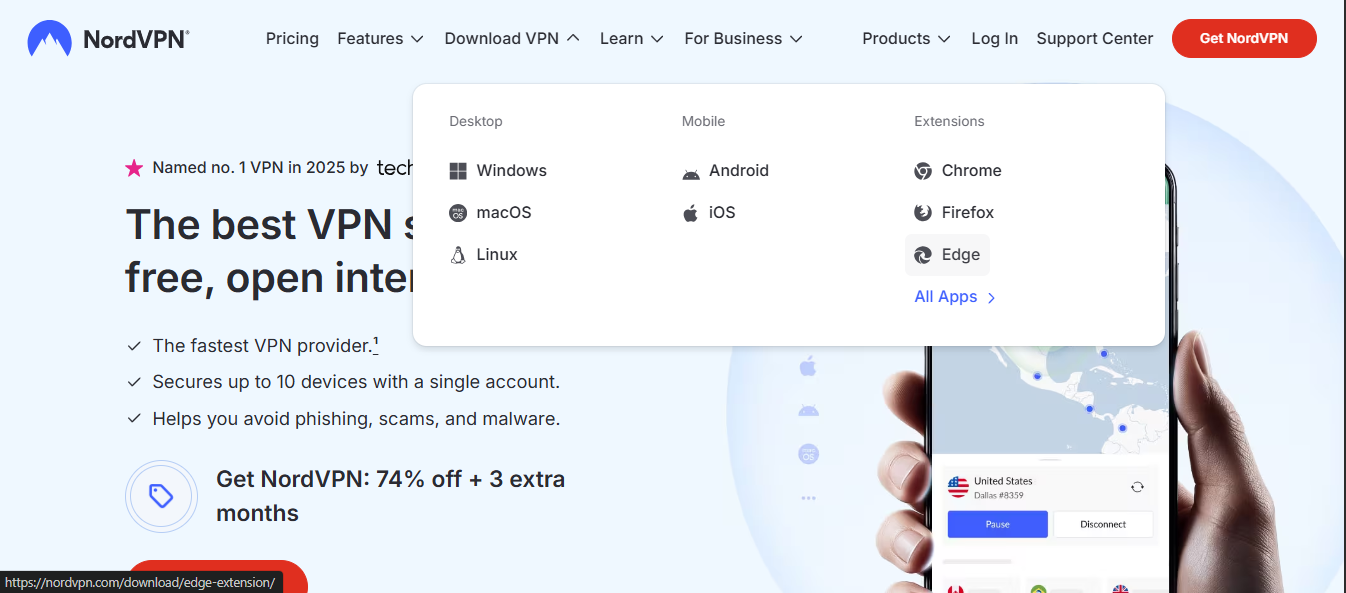
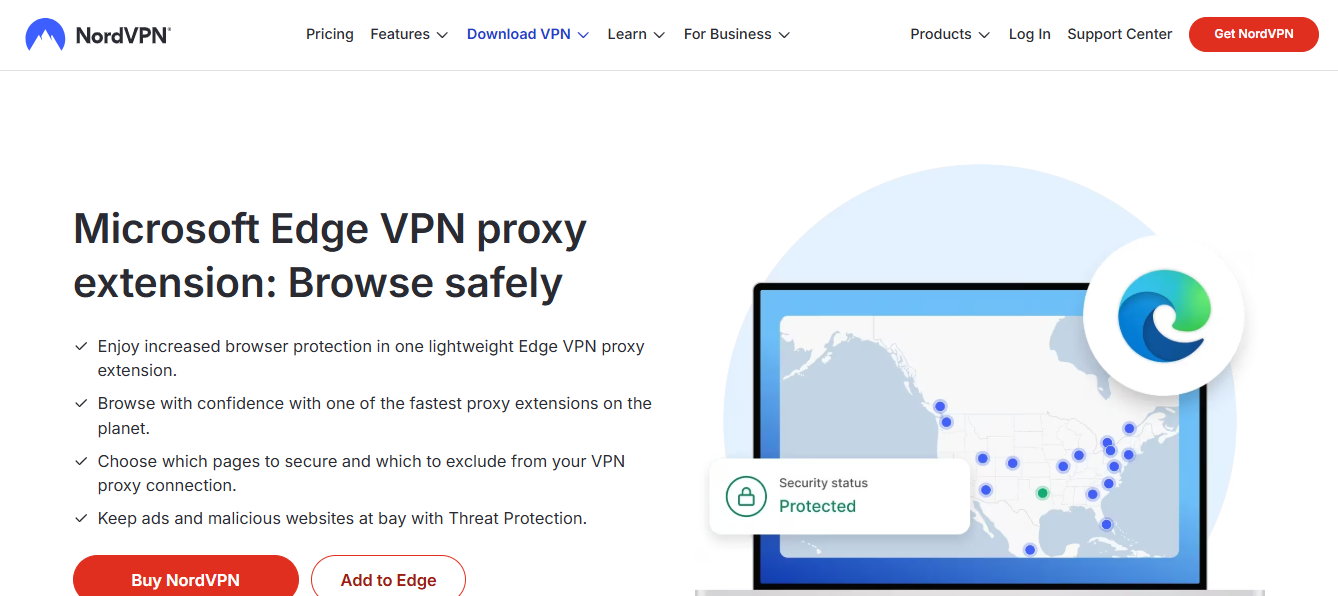

How to disable vpn on windows mac iphone android step by step guide to turning off a vpn service: a quick, practical walkthrough that helps you turn off any VPN fast and without drama. Quick fact: turning off your VPN is often as simple as flipping a switch, but the exact steps vary by device and app. Below you’ll find a concise, beginner-friendly guide across Windows, macOS, iPhone, and Android, plus handy tips to avoid common hiccups.
- Quick fact: You can disable a VPN in under a minute on most devices.
- If you’re troubleshooting slow connections, IP leaks, or just want to return to your normal network, here’s a straightforward, step-by-step guide that covers the most common VPN apps and built-in VPN features.
- Why you should read this: it saves you time, reduces confusion, and helps you avoid reconnecting errors or unintentional re-enabling.
What you’ll need
- Your device Windows PC, Mac, iPhone, or Android phone
- The VPN app installed, or access to built-in VPN settings
- Your password or login method for the VPN if your app requires authentication to disable
Useful resources unclickable text
- Apple Website - apple.com
- Google Support - support.google.com
- Microsoft Support - support.microsoft.com
- ExpressVPN Support - expressvpn.com
- NordVPN Help Center - nordvpn.com
- ProtonVPN Documentation - protonvpn.com
Section A: General quick tips
- Most VPNs can be turned off by a single tap or click: look for a big toggle that says “Connected” or “On.”
- If you’re using a browser extension VPN, you’ll usually see a browser icon; click it and choose “Disconnect” or “Turn Off.”
- After you disable, test your connection by visiting a site like whatismyipaddress.com to confirm your IP shows your actual location.
Section B: Windows PC – disable VPN Step-by-step: using the VPN app
- Open the VPN app you installed.
- Find the main screen where it shows a status like “Connected.”
- Click the big button that says “Disconnect,” “Turn Off,” or “Pause.”
- Wait a moment for the status to change to “Disconnected.”
- Optional: close the app to prevent it from re-enabling itself on startup.
Step-by-step: built-in Windows VPN if you configured it this way
- Open Settings Win+I.
- Go to Network & Internet > VPN.
- Select the VPN connection you’re using.
- Click “Disconnect.”
- If you want to remove it entirely, you can click “Delete” afterward, but that’s optional.
Troubleshooting tips for Windows
- If the disconnect button is greyed out, try restarting the VPN app or your computer.
- Some antivirus tools block VPN apps; temporarily disable antivirus if you suspect a block re-enable afterward.
Section C: macOS – disable VPN Step-by-step: VPN app
- Click the VPN app icon in the Dock or open it from Applications.
- On the main screen, press the “Disconnect” or “Turn Off” button.
- The status should switch to “Disconnected” within a few seconds.
Step-by-step: macOS built-in VPN System Preferences
- Click the Apple menu and choose System Settings or System Preferences on older macOS.
- Go to Network.
- Select the VPN connection you’ve configured on the left.
- Click “Disconnect.”
- Optional: remove the VPN profile by clicking the minus - button if you don’t plan to use it again.
Troubleshooting tips for macOS
- If you’re stuck, click “Apply” or “OK” after Disconnecting to ensure changes save.
- Check that your primary network service is active Wi-Fi/Ethernet after disconnecting.
Section D: iPhone iOS – disable VPN Step-by-step: VPN app
- Open the VPN app you installed.
- Tap the big toggle or the “Disconnect” button.
- Confirm the app shows “Disconnected.”
Step-by-step: iOS built-in VPN in Settings
- Open Settings.
- Tap VPN or Settings > General > VPN & Device Management on some iOS versions.
- Tap the status switch next to the active VPN to disconnect.
- If you want to remove it, choose the information button i and delete the VPN configuration.
Troubleshooting tips for iOS
- After disconnecting, re-check the VPN widget or Control Center to confirm it’s off.
- If VPN keeps turning back on, check a VPN app’s settings for “Always-on VPN” and disable it.
Section E: Android – disable VPN Step-by-step: VPN app
- Open the VPN app you installed.
- Tap the disconnect or off switch.
- Confirm the status shows as disconnected.
Step-by-step: Android built-in VPN Android 10+
- Open Settings.
- Tap Network & Internet > VPN.
- Tap the active VPN profile.
- Tap “Disconnect,” then “Forget” to remove if you won’t use it again.
- Ensure the main network Wi-Fi or mobile data is active.
Troubleshooting tips for Android
- If the VPN auto-connects on boot, check the app’s startup settings and disable “Launch on startup.”
- Some devices have shortcuts in Quick Settings; you can drag the VPN tile off to avoid accidental taps.
Section F: Common issues and quick fixes
- Problem: VPN won’t disconnect
- Solution: Force close the app, reboot your device, or check for app updates.
- Problem: IP still shows as from VPN after disconnect
- Solution: Clear browser cache, run a quick IP check again, and disable any browser extensions that may route traffic differently.
- Problem: VPN automatically reconnects
- Solution: Turn off “Always-on VPN” or “Auto-reconnect” in the app or system settings.
Section G: Security and privacy considerations after disabling
- Your real IP becomes visible again; consider re-enabling a VPN if you’re on public Wi-Fi.
- Some sites may try to track you with cookies once you reconnect; clear cookies if you’re concerned.
- If you used VPN for access to work networks, you may need to reconnect when you’re back on a trusted network.
Section H: Quick reference cheat sheet
- Windows: App Disconnect button or Settings > Network & Internet > VPN > Disconnect
- macOS: VPN app Disconnect or System Settings > Network > VPN > Disconnect
- iPhone: VPN app Disconnect or Settings > VPN > toggle off
- Android: VPN app Disconnect or Settings > Network & Internet > VPN > tap profile > Disconnect
Section I: How to prepare for future VPN use
- Keep your VPN app up to date to avoid issues with disconnect functionality.
- Enable notifications for disconnect events if the app supports them.
- Maintain a simple, clean list of trusted networks to minimize automatic VPN activation on networks you trust.
FAQ Section
Frequently Asked Questions
How do I know my VPN is fully off?
You’ll see a clear status like “Disconnected” in the VPN app, or the system VPN indicator will be off. You can also visit a site like whatismyipaddress.com to verify your IP matches your actual location and ISP.
Can I disconnect VPN without closing the app?
Yes. Most apps allow you to disconnect without quitting. If you want to stop it from running in the background, you can close the app.
What’s the difference between disconnecting and deleting a VPN?
Disconnecting stops the VPN connection but keeps the profile. Deleting removes the VPN profile and the app’s ability to connect unless you reinstall or recreate the profile.
Why does my VPN keep reconnecting automatically?
This is usually due to an “Always-on VPN” or “Auto-reconnect” setting. Disable it in the app or system settings and restart the device if needed.
Is it safe to disable VPN on public Wi-Fi?
Disabling VPN on public Wi-Fi reduces privacy protection, making you more exposed. If you’re on public Wi-Fi, consider reconnecting to a VPN quickly or using a private, trusted network. Free vpn extension for microsoft edge browser free, fast, and secure extensions for Edge in 2026
What if the VPN app won’t open?
Force close the app, reboot the device, or reinstall the app. Check for updates if the problem persists.
Can I disable VPN from the browser only?
Browser-based VPNs or extensions can be disabled from the browser’s extension settings. This only disables traffic through the browser, not the entire device’s VPN.
Will disabling VPN affect streaming services?
Most streaming services don’t require VPNs, but some content restrictions might rely on VPNs for geo-location. Disabling VPN might affect access to geo-locked content if you rely on it.
How do I disable VPN on a school or corporate device?
You may need admin privileges. Go to the device’s network settings or contact IT for proper steps to disconnect or remove the VPN profile.
Are there any risks to manually editing VPN settings?
Incorrect changes can disrupt network access. Follow device-specific instructions and avoid deleting essential network profiles unless you’re sure. Edge client vpn: choosing, setting up, and optimizing a secure Edge client VPN for personal and business use 2026
End of content
To disable vpn, turn off the VPN connection or disconnect the VPN app.
If you’re reading this, you probably want a quick, reliable way to stop routing your traffic through a VPN without breaking your workflows. In this guide, you’ll get platform-specific steps, quick verification methods, and practical tips to ensure you’re no longer using a VPN—and what to do if you need to re-enable it later. We’ll keep things simple, show you real-life steps, and share a few safety reminders so you know you’re connected or not exactly how you want.
Before we dive in, here’s a quick resource you can check out if you’re thinking about re-upping a VPN later. NordVPN is offering a strong deal right now, and you can grab it here:
Key resources you may find handy as you read: Edge浏览器vpn: Edge browser VPN guide for Windows, Edge extensions, setup, best providers, and privacy tips 2026
- NordVPN official site - nordvpn.com
- WhatIsMyIP.org - whatismyipaddress.com
- DNSLeakTest.com - dnsleaktest.com
- Tech hardware and networking guides - example sites you trust
- Your device’s official support pages Windows, Apple, Google, Samsung
Introduction: what you’ll learn
- How to disable vpn on Windows, macOS, iOS, and Android with quick, step-by-step steps
- How to disable VPN extensions in browsers
- How to disable VPN at the router for whole-home coverage
- How to verify that the VPN is actually off and how to troubleshoot when it isn’t
- Tips for re-enabling later, managing startup behavior, and avoiding common mistakes
Now, let’s walk through each platform with clear, actionable steps.
Why you might want to disable a VPN
- You’re troubleshooting network performance and want to test your normal speed
- You’re connecting to a local or trusted network that doesn’t require VPN protection
- You need to access local services or devices that only work on your actual network
- You want to avoid VPN-blocking or performance hit for gaming or streaming on certain services
- You’re preparing to reconfigure your security setup or switch providers
No matter the reason, the steps below keep things straightforward and safe.
Platform-specific steps to disable a VPN
Windows Windows 11/10
- Option 1: Disconnect from the VPN app
- Open the VPN app you installed e.g., WireGuard, OpenVPN, NordVPN, ExpressVPN.
- Click the Disconnect or Turn Off button.
- Close the app if you don’t plan to use it again soon.
- Option 2: Disable via Settings built-in VPN
- Open Settings > Network & Internet > VPN.
- Click the active VPN profile, then choose Disconnect.
- If you want to stop Windows from attempting to auto-connect, click the gear icon for the profile and turn off “Connect automatically.”
- Option 3: Quick verification
- Open a browser and visit whatismyipaddress.com. You should see your real IP and location or the location of your ISP, depending on your setup.
- If you still see a VPN-like location, your VPN app may be running in the background. Check the system tray for any active VPN indicators and close any lingering processes.
Tips:
- Some corporate machines auto-start a VPN on boot. If that’s the case, disable the startup item or remove the VPN from Task Scheduler.
- If you used a “kill switch” feature, remember it might block all traffic until you explicitly disable it.
macOS MacBook, iMac
Option 1: Disconnect via System Preferences F5 vpn edge client download 2026
- Open System Preferences > Network.
- Select the VPN service on the left e.g., L2TP, IKEv2, Cisco.
- Click Disconnect, then click Apply if needed.
Option 2: Disable the VPN service
- In the same Network pane, select the VPN service and click the Minus - button to remove it optional if you don’t plan to use it soon.
- If you prefer to keep it, you can simply leave it configured but turn off the status light by disconnecting and not enabling “Connect automatically.”
Verification:
- Visit a site like whatismyipaddress.com to confirm your IP address is no longer routed through the VPN.
Some apps install their own network adapters on macOS. Be sure to quit the app from the menu bar if you want to ensure it’s not running in the background.
Android
Quick method: Use the Quick Settings tile
- Pull down the notification shade to open Quick Settings.
- Tap the VPN tile or the VPN icon to disconnect. The exact label may differ by device.
Alternative: Through Settings Expressvpn edgerouter x setup guide: configuring ExpressVPN on EdgeRouter X, limitations, alternatives, and best practices 2026
- Tap the active VPN profile and choose Disconnect.
- Use a browser or a network test app to confirm your traffic isn’t using a VPN.
Some devices auto-reconnect VPNs after reboot or connectivity changes. Check the VPN app’s settings to disable auto-connect if you don’t want it to resume.
iPhone and iPad iOS
Steps
- Open Settings > General > VPN & Device Management or VPN on older iOS.
- Tap the active VPN configuration and toggle it Off, or choose Disconnect.
Quick check
- Open a site like whatismyipaddress.com to confirm your device is no longer on the VPN's network.
Optional: Remove VPN profile
- If you won’t use this VPN anymore, remove the profile by tapping the minus sign or by selecting Delete VPN.
Some apps install VPN-like profiles that route traffic differently. If you’re unsure, review Profiles in Settings and delete any VPN profiles you don’t recognize. Free vpn for chrome vpn proxy veepn edge 2026
Android and iOS: Browser extensions and apps
- Desktop browsers often use VPN extensions Chrome, Firefox, Edge. To disable:
- Click the extension icon in the toolbar.
- Choose Disable or Remove from Chrome/Firefox.
- Re-check speed and IP after disabling to confirm the VPN isn’t affecting traffic.
Router-based VPNs covering all devices on the network
Access your router’s admin panel often at 192.168.0.1 or 192.168.1.1.
Find the VPN section this could be called VPN Client, VPN Server, or VPN Passthrough.
Disable the VPN client if you’re using one, or disable VPN passthrough for specific protocols if you still want local devices to connect but not route through the VPN.
Save changes and reboot the router if needed.
- Check a device on your network with a browser and visit whatismyipaddress.com to confirm your outgoing IP matches your actual ISP.
If you rely on the VPN for remote access to a home network, don’t disable it permanently. instead, you might configure split tunneling or schedule when the VPN should be active. How to set vpn in edge 2026
VPNs embedded in corporate networks or devices
- Some business devices come with a built-in VPN or a managed profile. If you’re using a corporate device, you may need to contact your IT department before disabling any security feature.
- If you’re allowed to disable, follow the OS-specific steps above but be aware of any security policies that could re-enable the VPN automatically.
Verification: how to confirm the VPN is actually disabled
- IP address check: Visit a site like whatismyipaddress.com or iplocation.net. If you’re off the VPN, you should see your real IP, not the VPN server's IP.
- DNS lookups: Run a DNS leak test at dnsleaktest.com to ensure DNS requests aren’t leaking to the VPN’s DNS servers.
- Speed test: Do a quick speed test to compare current throughput with and without VPN to see if the VPN was affecting performance.
- Service-specific checks: If you were using VPN to access a region-restricted service, try loading that service again to confirm it’s no longer routing through the VPN.
Re-enabling a VPN later: quick tips
- Plan ahead: If you know you’ll need the VPN again soon for travel, streaming, or remote work, keep the VPN app installed and know how to re-connect quickly.
- Use a simple toggle: Many devices offer a quick toggle in Quick Settings or the notification shade for immediate reconnect when needed.
- Consider “Always-on VPN” settings: If you want to avoid automatic re-connection, review the VPN app and OS settings to disable auto-connect or reconfigure per-network rules.
- Profile management: If you removed a VPN profile on macOS or iOS, you can re-add it through the VPN app or System Preferences/Settings when you need it.
Common issues and quick fixes
- Issue: VPN auto-connects after reboot
- Fix: Disable auto-connect in the VPN app settings. remove any startup items related to the VPN.
- Issue: VPN remains active even after you disconnect
- Fix: Quit the VPN app completely, then check for background services or startup items. reboot the device and verify.
- Issue: DNS leaks after disabling VPN
- Fix: Clear DNS cache instructions vary by OS. ensure your DNS settings are set to your ISP’s or a trusted DNS provider. run a DNS leak test.
- Issue: Some apps still show a VPN-like error
- Fix: Clear app data/cache, or reinstall the app if it relies on a virtual network interface that remained active.
Safety, privacy, and best practices after turning off a VPN
- Your IP is visible: When you disable the VPN, your real IP becomes visible to sites, services, and advertisers. If you’re privacy-conscious, minimum safety practices include using a privacy-focused browser, enabling private browsing when needed, or re-enabling VPN for sensitive tasks.
- Public networks: If you’re on a public or shared network, you might want to reconsider disconnecting, as VPNs add a layer of security in untrusted networks.
- Malware and HTTPS: A VPN isn’t a security fix for malware or insecure sites. Always use HTTPS, keep your devices updated, and run reputable antivirus or security software.
- Kill switch awareness: Some VPNs have a kill switch that blocks all traffic if the VPN disconnects unexpectedly. If you later decide to disable the VPN, disable the kill switch as well to ensure traffic flows normally.
Quick tips to simplify future VPN enable/disable tasks
- Customize your launcher and shortcuts: Put the VPN app in a top-level launcher or quick-access folder so you can disconnect quickly.
- Use OS-based toggles: Many devices offer OS-level VPN toggles in control centers or notification panels—get used to using those for speed.
- Keep a short guide on your desktop: A one-page checklist helps if you routinely switch VPN on and off during different tasks.
- Test the default gateway: If you’re troubleshooting, manually setting a known good gateway can help you isolate VPN-related routing issues.
Frequently asked questions
How do I know if my VPN is disabled?
You can verify by checking your IP address with a site like whatismyipaddress.com. If the VPN is off, you’ll see your real IP, not the VPN server’s IP. You can also check DNS leaks with dnsleaktest.com to confirm DNS is not routing through a VPN.
How to disable VPN on Windows 11/10?
Use either the VPN app’s Disconnect button or go to Settings > Network & Internet > VPN, select the active VPN, and click Disconnect. If you don’t want it to auto-connect, turn off Connect automatically in the profile settings.
How to disable VPN on macOS?
Open System Preferences > Network, select the VPN service, click Disconnect. If you want to stop it from reappearing, you can remove the service from the list optional.
How to disable VPN on iPhone or iPad?
Go to Settings > General > VPN & Device Management or VPN. Tap the active VPN, then toggle Off or Disconnect. If you don’t plan to use it soon, delete the VPN profile.
How to disable VPN on Android?
In Quick Settings, tap the VPN tile or go to Settings > Network & Internet > VPN, then Disconnect the active profile. Some devices let you turn off auto-connect in the VPN settings. How to open edge vpn: step-by-step guide to enabling Edge VPN features and using Edge Secure Network on Windows 2026
Can I disable VPN extensions in Chrome or Firefox?
Yes. Click the extension icon in your browser and choose Disable or Remove from Chrome/Firefox. You’ll stop routing traffic through that extension alone.
Can I disable VPN without uninstalling the app?
Yes. Disconnect or turn off the VPN service. You can leave the app installed for later use, and many times apps will automatically reconnect unless you disable auto-connect.
What about a built-in VPN on Windows?
Windows has a built-in VPN client. you can disconnect it via Settings > Network & Internet > VPN, or you can remove the VPN connection from the list. If your organization uses a policy, you may need IT assistance to fully disable it.
Will disabling VPN affect streaming or geo-restricted content?
Yes. If you’re off the VPN, access to geo-restricted libraries like certain streaming services may revert to your actual location, which can change what you can watch. If you want to re-check availability, simply re-enable the VPN and try again.
How do I disable VPN on my router?
Log into your router’s admin panel, locate the VPN section VPN Client or VPN Server, and disable it. Save changes and reboot if required. This stops traffic from routing through the VPN for all devices on that network. How to turn off vpn on microsoft edge 2026
How to re-enable VPN after disabling?
Open your VPN app or system VPN settings and re-connect or re-enable the VPN profile. If you removed the VPN service, you’ll need to re-add the VPN profile or reinstall the app.
What should I do if VPN keeps re-enabling itself?
Check for auto-connect settings in both the VPN app and your device’s network settings. Look for startup items that launch the VPN on boot or on network connection. Disable auto-connect and uninstall any profiles you don’t need.
Is there a difference between turning off a VPN and uninstalling it?
Turning off a VPN stops your traffic from routing through the VPN immediately, while uninstalling removes the app and profiles. If you’re planning to manage VPN usage later, just disable or disconnect first. you can uninstall later if you’re sure you won’t need it soon.
Are there privacy risks after turning off a VPN?
Disabling a VPN reduces the extra privacy layer it provides. your traffic will be visible to your ISP and websites. To stay secure, use HTTPS, keep your device updated, and consider re-enabling a trusted VPN for sensitive tasks.
Can I disable VPN on a shared or corporate device?
If you’re on a device managed by a company or school, there may be policies forcing VPN usage. In those cases, you may need to talk to IT or follow their guidelines for temporary deactivation or using a split-tunneling configuration. How to use vpn on microsoft edge - a comprehensive guide to using VPN extensions and system-wide VPNs in Edge 2026
What if I want to keep VPN only for certain apps?
Some VPNs offer split tunneling. You can configure the VPN so only specific apps use the VPN, while others go through your normal connection. If you just want to disable for all traffic, don’t enable split tunneling for now.
How do I troubleshoot if the VPN re-enables after I turn it off?
- Check startup items and services for the VPN app and disable them.
- Review device policies or MDM settings if you’re on a managed device.
- Ensure you closed all related processes in Task Manager Windows, Activity Monitor macOS, or the equivalent on mobile.
- Reboot and test again to be sure it stays off.
Can I disable VPN temporarily for a single session?
Yes. Most VPN apps have a quick Disconnect option. You can reconnect when you’re done with your session. Some devices also allow temporary toggles in quick settings.
Is it safe to disable VPN during online banking or sensitive activity?
Disabling VPN for sensitive activity may expose you to higher risk if you’re on an untrusted network. Use HTTPS, strong passwords, two-factor authentication, and consider re-enabling the VPN during sensitive sessions if you’re on public Wi‑Fi or an unfamiliar network.
Final notes
Disabling a VPN is a straightforward process, but it’s good to be methodical. If you frequently switch VPNs or rely on VPNs for work, keep a short checklist handy and test after you disable to confirm your traffic is no longer routed through a VPN. If you decide to re-enable, you’ll find most providers make reconnecting fast and simple, especially if you’ve saved your credentials and profiles.
Remember, the key is to verify your actual IP and DNS are behaving the way you expect after you disconnect, so you know you’re truly off the VPN. If you’re ever unsure, re-check using a couple of different sites and test tools noted above.
牛vpn 使用指南与评测:在中国如何选择、安装与优化 VPN 的完整教程
'%2F%3E%3Ctext%20x%3D'50%25'%20y%3D'50%25'%20dy%3D'.35em'%20text-anchor%3D'middle'%20font-family%3D'-apple-system%2CBlinkMacSystemFont%2CSegoe%20UI%2Csystem-ui%2Csans-serif'%20font-size%3D'100'%20font-weight%3D'600'%20fill%3D'%23fff'%3EBK%3C%2Ftext%3E%3C%2Fsvg%3E)
Bram Kovac has been writing about consumer technology since 2018, with bylines covering streaming geo-unblocking, browser fingerprinting, and secure messaging. Approaches each review by setting up the product the same way a typical reader would and recording every snag along the way.