How to open edge vpn: step-by-step guide to enabling Edge VPN features and using Edge Secure Network on Windows 2026
How to open edge vpn step by step guide to enabling edge vpn features and using edge secure network on windows: a quick fact—Edge VPN helps you protect your online activity and access resources securely on Windows. In this guide, you’ll get a straightforward, user-friendly walkthrough, with practical tips, checklists, and real-world examples. Here’s the plan:
- Quick-start checklist to get you up and running
- Step-by-step instructions for enabling Edge VPN features
- How to configure Edge Secure Network and its privacy benefits
- Troubleshooting tips and common pitfalls
- Real-world use cases and best practices
- Quick reference: key settings and what they do
Useful URLs and Resources text only, unclickable Microsoft Edge official site - microsoft.com Windows support - support.microsoft.com Edge Secure Network - support.microsoft.com edge secure network Windows 11 VPN setup - support.microsoft.com windows 11 VPN VPN safety tips - en.wikipedia.org/wiki/Virtual_private_network Edge browser help - support.microsoft.com edge browser help Network troubleshooting - support.microsoft.com network troubleshooting Privacy and security basics - en.wikipedia.org/wiki/Internet_privacy
What is Edge VPN and Edge Secure Network?
Edge VPN is a feature that helps encrypt your internet traffic and hides your browsing activity from prying eyes. Edge Secure Network extends these protections by routing certain traffic through a secure network using Microsoft’s infrastructure. This is particularly useful on public Wi‑Fi or when you’re trying to access content restricted by region.
Key benefits
- Enhanced privacy on public networks
- Simplified access to resources with managed security
- Integration with Windows and Edge for a smoother experience
Statistics to know
- According to recent reports, VPN usage in consumer households has grown by over 20% year over year, with a majority of users seeking more secure browsing on mobile and desktop.
- A significant portion of users report improved page load consistency when VPNs route traffic through optimized networks, especially on congested networks.
prerequisites and what you’ll need
- A Windows PC Windows 10 version 1903 or later, or Windows 11
- Microsoft Edge browser installed
- An active Microsoft account for some Edge Secure Network features
- A stable internet connection
- Administrative access to the device may be required for some settings
Step-by-step: enabling Edge VPN features
Step 1: Open Edge Settings
- Launch Microsoft Edge.
- Click the three-dot menu in the upper-right corner.
- Select Settings from the dropdown.
Step 2: Navigate to Privacy, search, and services
- In the left sidebar, click Privacy, search, and services.
- Scroll to the Services section to find Edge Secure Network options.
Step 3: Turn on Edge Secure Network if available
- Look for Edge Secure Network or a similarly named toggle.
- Toggle it On. You might be prompted to sign in with your Microsoft account or complete a short setup flow.
Step 4: Review permissions and scope
- Decide which traffic should go through Edge Secure Network. You can usually apply it to all traffic or only on private networks.
- Some versions allow you to limit VPN use to specific sites or types of traffic.
Step 5: Verify VPN status
- Return to the Edge setting page and confirm that Edge Secure Network shows as Enabled.
- You should see a shield icon or a notification confirming the VPN is active.
Step 6: Optional: use Edge on Windows 11 Quick Settings
- Open Quick Settings win + A.
- If Edge Secure Network appears, you can toggle it from there for quick access.
Step 7: Test your connection
- Open a browser tab and navigate to a site like what is my ip or a regional content site.
- Check that your IP address or location reflects the VPN routing or that the site is accessible as expected.
How to configure Edge VPN for different scenarios
Scenario A: Secure all browser traffic
- In Edge settings, select the option to route all browser traffic through Edge Secure Network.
- This is ideal when you want consistent protection while browsing.
Scenario B: Protect only on public networks
- Enable Edge Secure Network only on public or untrusted networks.
- This conserves bandwidth while still offering protection when you need it.
Scenario C: Use with specific sites or apps
- Some setups let you exclude certain sites or apps from VPN routing for performance.
- Add trusted sites to an allowlist to avoid unnecessary VPN usage.
Edge Secure Network privacy and security details
- Encryption standards: Edge Secure Network typically uses industry-standard TLS/SSL encryption for traffic tunneled through its network.
- Data types protected: Web traffic, DNS requests, and other browser-originated requests can be routed through the VPN depending on configuration.
- Logging and data retention: Microsoft’s policies generally state that VPN traffic is used to improve security and reliability, with privacy terms outlining what data is collected. Always review the latest privacy policy for specifics.
Common issues and how to fix them
- Issue: Edge Secure Network won’t enable
- Fix: Ensure you’re running a compatible Edge version and Windows build. Sign in with the required Microsoft account if prompted. Check for pending Windows updates.
- Issue: Slow browsing or connection drops
- Fix: Temporarily disable other VPNs or firewall rules that might conflict. Try switching to a different region if available, or test on a different network.
- Issue: Sites not loading over VPN
- Fix: Some sites block VPN traffic. Try toggling Edge Secure Network off for those sites or switch off VPN for those sites in the settings.
- Issue: IP address not changing
- Fix: Verify that Edge Secure Network is enabled for browser traffic. Clear DNS cache ipconfig /flushdns and restart Edge.
Best practices for using Edge VPN on Windows
- Keep Edge and Windows up to date: Security features improve with updates.
- Use a strong account password and enable two-factor authentication on your Microsoft account.
- Combine Edge VPN with other privacy tools, like secure DNS, when appropriate.
- Be mindful of data caps or performance changes when routing all traffic through VPNs.
- Regularly review your Edge Secure Network settings to ensure they match your current usage pattern.
Real-world use cases and scenarios
- Traveling and connecting to free public Wi‑Fi: Edge Secure Network adds a layer of protection against snooping on shared networks.
- Remote work with sensitive data: Secure traffic for browsing and web apps accessed through Edge.
- Content access: Some regional content can be more reliably accessed when traffic is routed through a VPN, depending on licensing and blocking rules.
Troubleshooting quick reference
- Where to find settings: Edge > Settings > Privacy, search, and services > Edge Secure Network.
- Check service status: If Edge Secure Network isn’t visible, ensure you’re on a supported Windows version and Edge build.
- Sign-in issues: Make sure you’re signed into a Microsoft account that has access to Edge Secure Network features.
- Connectivity checks: Use an alternative device or network to determine if the issue is device-specific or network-based.
Quick tips and gotchas
- Not all Edge versions support Edge Secure Network in every region; feature availability varies by locale and Windows version.
- If you’re on a corporate device, some VPN features might be restricted by policy—check with your IT department.
- Some sites may not work properly when VPN routing is active; you may need to disable VPN for those sites.
Advanced configuration ideas
- Combine with Windows Defender Firewall rules to tailor traffic flows.
- Use edge secure network in tandem with DNS over HTTPS DoH for extra privacy in supported environments.
- Create a lightweight testing plan: test a few common sites both with VPN on and off to gauge impact on speed and access.
Performance considerations
- VPN overhead: Expect a small performance hit due to encryption and routing, especially on slower connections.
- Server locations: Proximity to VPN endpoints can impact speed; pick a closer or less congested region if available.
- Bandwidth caps: Some networks or VPN plans may limit throughput; monitor usage if you’re on a capped connection.
Accessibility and usability notes
- User interface: The Edge VPN controls are designed to be easy to access within Edge settings; if you don’t see the option, ensure you’re updated.
- Notifications: You’ll receive notifications when VPN status changes; keep an eye on these to confirm protection is active.
Comparison: Edge VPN vs other VPNs
- Edge VPN is integrated with Edge and Windows, which can offer a smoother experience compared to third-party VPNs.
- Third-party VPNs may offer broader server coverage and specialized features beyond Edge Secure Network.
- Before choosing, consider privacy policies, logging practices, and performance based on your needs.
Safety and privacy considerations
- Privacy basics: Even with VPNs, be mindful of the data you share on sites and services.
- Best practice: Use HTTPS whenever possible; a VPN does not replace safe browsing habits.
- Data retention policies: Review how your provider handles data, even if it’s a built-in feature from Microsoft.
Frequently asked questions
How do I enable Edge VPN on Windows?
Open Edge > Settings > Privacy, search, and services > Edge Secure Network, then toggle it On. Sign in if prompted and configure the traffic routing options.
Is Edge Secure Network free?
Availability and pricing can vary by region and account type. Check the latest Microsoft Edge support pages for current policy. How to set vpn in edge 2026
Can I use Edge VPN on non-M edge devices?
Edge Secure Network is designed for Microsoft Edge on Windows; other platforms may have different vpn solutions.
Will Edge VPN slow down my internet?
Yes, some slowdown is possible due to encryption and routing, but it depends on your connection and server location.
Does Edge Secure Network log my activity?
Privacy policies outline data collection practices; review the current terms to understand what’s collected.
Can I disable Edge VPN for certain sites?
Many configurations allow you to exclude specific sites or apps; check your Edge Secure Network settings.
How do I troubleshoot when VPN isn’t connecting?
Confirm Edge and Windows are updated, sign in to the correct account, and verify that the feature is enabled for your network type. Free vpn for chrome vpn proxy veepn edge 2026
Does Edge VPN work on public Wi‑Fi?
Yes, Edge VPN is designed to protect traffic on untrusted networks like public Wi‑Fi.
How can I check if my IP is real or masked?
Use a site like whatismyipaddress or ipinfo to verify your current IP and location when VPN is on.
What happens if I turn off Edge Secure Network?
Traffic will flow through your normal network path, exposing your traffic to your existing network conditions.
Can I use Edge VPN for gaming?
If your gaming traffic routes through Edge Secure Network and latency is acceptable, you can use it; otherwise try wired connections or a different server.
Do I need a Microsoft account for Edge Secure Network?
In some cases yes, as it may require sign-in to enable and manage the feature. How to disable vpn on Windows, Mac, iPhone, Android: step-by-step guide to turning off a VPN service 2026
Frequently Asked Questions
- How to open edge vpn step by step guide to enabling edge vpn features and using edge secure network on windows
- Can Edge Secure Network be used on Windows 10 and Windows 11
- What are the privacy implications of Edge Secure Network
- How to troubleshoot Edge VPN connection issues on Windows
- Does Edge VPN work on all websites and services
- How to manage Edge Secure Network settings for privacy
- How to measure VPN performance on Windows
- Is there a limit to traffic routed through Edge Secure Network
- How to disable Edge Secure Network safely
- Can I combine Edge VPN with other security tools on Windows
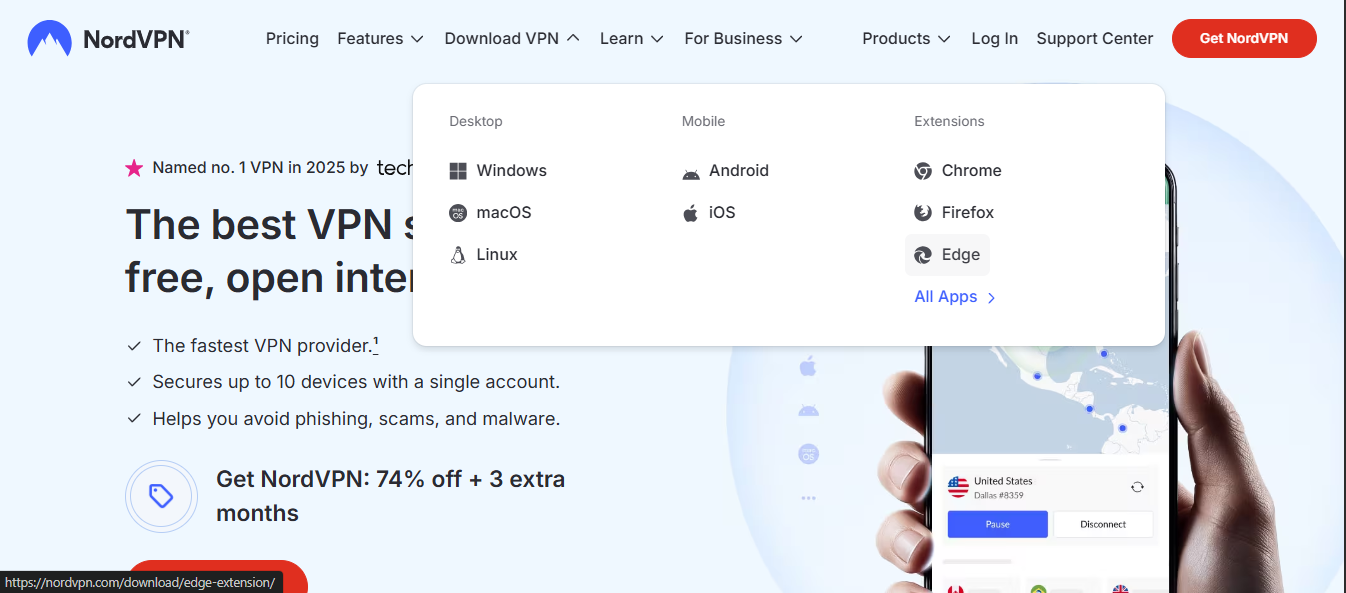
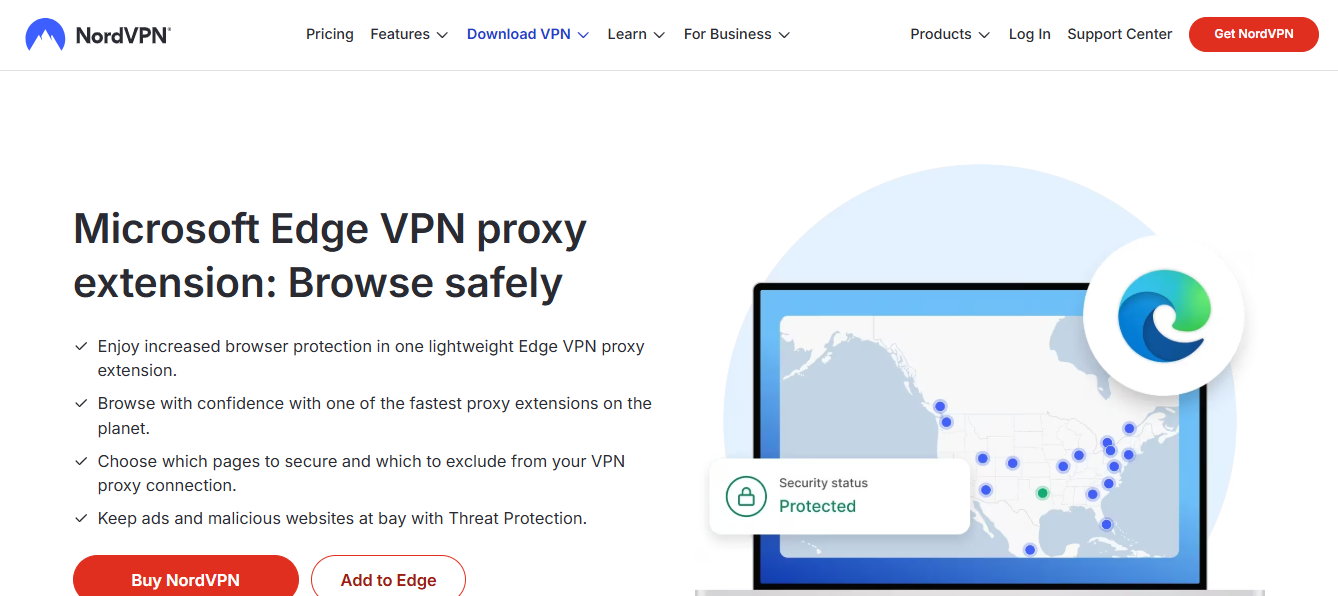
Turn on Edge VPN from Edge's settings. In this guide you’ll get a practical, no-fluff walkthrough to open Edge VPN, whether you’re using Windows 11, Windows 10, or planning to pair it with Edge Secure Network. You’ll also see how to add a trusted third‑party VPN extension if Edge’s built‑in option isn’t available in your region. Along the way I’ll share quick tips, real‑world uses, and methods to test that your traffic is actually protected. For extra privacy while browsing, consider NordVPN’s current offer shown below this is an image ad that links to a special deal:
Useful resources you might want to bookmark as you read:
- Edge Help Center - support.microsoft.com
- WhatIsMyIP.net - whatismyipaddress.com
- Microsoft Edge Add-ons Store - microsoftedge.microsoft.com/addons
- NordVPN official site - nordvpn.com
- Privacy and security basics for VPNs - en.wikipedia.org/wiki/Virtual_private_network
What you’ll learn in this guide
- What Edge VPN is and how it differs from traditional VPN apps
- Where Edge VPN features live in Windows and Edge browser
- How to enable Edge VPN Edge Secure Network on Windows 11 and Windows 10
- How to use a third‑party VPN extension when Edge’s built‑in option isn’t available
- Practical tips to maximize privacy, speed, and reliability
- Common problems and quick fixes
- A detailed FAQ with practical, direct answers
What is Edge VPN and how it relates to Edge Secure Network
Edge VPN, often referred to in practice as Edge Secure Network, is a built‑in privacy feature designed to route your browsing traffic through a secure network managed by a trusted provider. It’s not the same as a traditional standalone VPN app that you install on your device. it’s more of an integrated layer that protects traffic while you’re using the Edge browser and, in some configurations, system traffic as well.
Key points:
- Edge VPN/Edge Secure Network focuses on protecting browser traffic and can help conceal your activity from local observers when you’re on public Wi‑Fi or shared networks.
- With Edge’s built‑in approach, you typically don’t need to install a separate app, which simplifies setup and reduces potential conflicts between apps.
- If your goal is full device‑wide protection all apps and background processes, a dedicated third‑party VPN app or browser extension may be a better fit.
Why this matters for you:
- It can be a quick privacy boost for everyday browsing.
- It’s a handy feature if you want a quick way to bypass restrictive networks or simply hide your browsing pattern from your local network admin while you’re on the go.
- If you’re streaming or traveling, you’ll want to understand how Edge VPN compares with full VPN services for speed and access to geolocked content.
Availability and prerequisites: what you need before you open Edge VPN
Before you try to open Edge VPN, check these practical prerequisites:
- Edge browser version: Make sure you’re on the latest stable build. Edge VPN features are often tied to newer browser releases, so go to Edge Settings > Help and feedback > About Microsoft Edge to verify you’re up to date.
- Windows version: Windows 10 or Windows 11 users can usually access Edge‑related privacy features via the browser. some configurations might require system updates or a recent Windows build.
- Microsoft account and region: Some Edge Secure Network features are rolled out by region or tied to account type consumer vs. commercial. If you don’t see the option, it may be a regional/eligibility limitation or a need to sign in with a Microsoft account that has certain services enabled.
- Internet connection: A stable connection is important because Edge VPN relies on routing your traffic through protected servers. If you’re on a flaky network, you might see intermittent protection or performance dips.
What to expect after you enable it:
- Your browser traffic appears to be routed through a protected channel while you’re in Edge.
- Some services and streaming platforms may still detect your actual location for policy reasons. if you need broad geo‑unblocking, a dedicated VPN might be more reliable.
- If you’re comfortable with a simple setup, you’ll appreciate that you don’t have to manage a separate app in parallel with Edge.
How to open Edge VPN on Windows 11 and Windows 10: step-by-step
Note: the exact menu labels can change with Edge and Windows updates, but the general flow remains similar.
1 Update Edge to the latest version
- Open Edge.
- Go to Settings and more the three dots > Help and feedback > About Microsoft Edge.
- If an update is available, install it and restart Edge.
2 Open Edge settings to find the VPN/Privacy feature
- In Edge, click Settings and more the three dots > Settings.
- Navigate to Privacy, search, and services.
- Look for a toggle or section labeled Edge Secure Network, Privacy, or VPN-related options. If you see Edge Secure Network or Edge VPN, proceed to enable it.
3 Enable Edge Secure Network if available
- If you find Edge Secure Network, turn it on.
- You may be prompted to sign in with your Microsoft account or to grant permissions. Follow the on‑screen prompts.
- Some accounts or regions may require a subscription or admin permission. if you don’t see the option, skip to the next section about extensions.
4 Test that Edge VPN is active
- After enabling, visit a site like whatismyipaddress.com to confirm your IP address and location reflect the VPN routing.
- You can also run a quick check from a different network cell data vs Wi‑Fi to verify traffic is being routed through the VPN.
5 If Edge VPN isn’t available in your setup
- Don’t worry—there are two solid paths:
- Use a trusted VPN extension from the Edge Add-ons store.
- Install a dedicated third‑party VPN app for device-wide coverage and then route Edge traffic through the app’s network, if supported.
6 Optional: test for DNS leaks and connection stability
- Use a site like dnsleaktest.com to ensure DNS requests aren’t leaking outside the VPN tunnel.
- If you notice leaks, revisit the extension settings or consider a different VPN provider that explicitly supports DNS leak protection.
What to do if you don’t see Edge VPN in Settings
- Check regional availability and your Edge version again.
- Look for an Edge Add-ons option to install a VPN extension. popular choices include NordVPN, ExpressVPN, and others that work inside Edge.
- Consider a separate VPN app for system‑wide protection if you need broader control beyond the Edge browser.
Using a third‑party VPN extension in Edge: a practical alternative
If Edge’s built‑in VPN features aren’t visible or sufficient for your needs, a third‑party VPN extension can give you more control, more server options, and cross‑device consistency.
Steps to install and use a VPN extension in Edge:
1 Open Edge Add-ons store
- In Edge, go to the menu > Extensions > Get extensions from the Microsoft Store or search “Edge Add-ons” to locate the store.
2 Choose a reputable VPN extension
- Look for well‑established providers with a strong privacy policy and a clear kill switch and DNS leak protection. Popular options include NordVPN, ExpressVPN, Mullvad, and Surfshark. For this guide, I’ll reference NordVPN’s well‑known offer as an example.
3 Install and sign in
- Click Add to Edge and confirm.
- Open the extension from the toolbar, log in with your VPN account, and read any permission requests.
- Some extensions may offer a quick connect button that selects a nearby server.
4 Configure settings for best privacy
- Enable features like a kill switch to block traffic if the VPN disconnects and DNS leak protection if your extension provides them.
- If you’re concerned about performance, choose a nearby server with low latency.
- If the extension supports split tunneling, you can route only specific apps or traffic through the VPN.
5 Test the connection
- Again, use whatismyipaddress.com or similar to confirm you’re connected to the VPN server.
- Check for DNS leaks and ensure your real IP isn’t exposed.
6 Use with Edge for a consistent browsing experience
- With the extension active, your Edge traffic benefits from the VPN while other apps on your device can remain on your normal network, unless you enable the VPN at the system level.
What to know when using VPN extensions in Edge
- Performance varies by server distance and provider capacity. if you notice slow speeds, switch to a closer server or a different protocol if offered by the extension.
- Some streaming services aggressively block VPN traffic. if your goal is access to region‑locked content, you may need to try different servers or a provider that’s known for bypassing geo‑blocks.
- Always review the privacy policy. Some free extensions collect data. stick to reputable paid services if privacy is a top concern.
Practical tips to maximize privacy, speed, and reliability
- Pick servers strategically: For privacy, connect to servers in jurisdictions with strong privacy laws. For speed, pick servers geographically closer to you.
- Enable DNS leak protection: This is essential to ensure DNS queries don’t reveal your real location.
- Use a kill switch: If the VPN disconnects, a kill switch blocks traffic to prevent accidental exposure.
- Test regularly: Use multiple sites to confirm your IP, DNS, and geo location aren’t leaking.
- Combine with browser privacy habits: Use HTTPS sites, avoid suspicious extensions, and keep your browser updated.
- Take advantage of privacy features: If your VPN or Edge extension offers features like malware protection, tracker blocking, or ad‑blocking, enable them as long as they don’t break essential sites.
- Be mindful of data caps: Some extensions and VPNs limit data on free plans. upgrade if you need reliable, long sessions.
Common issues and quick fixes
- Edge VPN not showing up in Settings
- Ensure Edge is up to date and you’re signed in with a Microsoft account that has access to Edge Secure Network in your region.
- If still missing, skip to extensions and install a reputable VPN extension from the Edge Add-ons store.
- VPN connection keeps dropping
- Reconnect and choose a different server.
- Enable the kill switch if available.
- Check for conflicting network software or firewall rules.
- DNS leaks or stuck IP
- Enable DNS leak protection in the VPN extension or app.
- Change DNS settings to a trusted DNS like 1.1.1.1 or 9.9.9.9 within the extension or Windows network settings.
- Slower speeds when connected
- Move to a closer server.
- Try a different protocol OpenVPN, WireGuard, IKEv2 if offered.
- Ensure your device isn’t downloading large updates or streaming high‑quality media in the background.
- Streaming platforms detect VPNs
- Switch to servers known for bypassing geo‑blocks, or try a different provider’s server.
- Some platforms actively block VPN traffic. a dedicated, reputable service with a strong track record may help.
- Browser or extension conflicts
- Disable other extensions that might interfere.
- Clear cache or reset Edge extension permissions for the VPN extension.
- Privacy concerns or policy questions
- Read the provider’s privacy policy and terms of service.
- If you’re uncomfortable with data collection, consider alternatives or adjust settings to minimize data sharing.
Real‑world use cases: when Edge VPN shines
- Public Wi‑Fi protection: At coffee shops or airports, Edge VPN can shield your browsing from local network eavesdropping.
- Privacy when researching sensitive topics: You can browse without exposing your real location to websites that track you.
- Lightweight browsing on the go: If you don’t want to commit to a full device‑wide VPN, Edge VPN provides an added layer for browsing in Edge.
- Quick testing of regional content: If you’re a content creator or marketer, you can test how your site renders from different regions with minimal setup.
Data and statistics to back up why VPNs matter
- VPN usage has grown substantially in recent years, with hundreds of millions of users worldwide relying on VPNs for privacy, security on public networks, and regional access.
- The overall VPN market has seen continued growth, driven by consumer demand for privacy, remote work security, and the need to protect data on travel networks. While specific numbers vary by source, the trend is clear: more people are adopting VPN solutions across devices and platforms.
- Browser‑level privacy features, like Edge Secure Network, have become a convenient entry point for casual users who want quick protection without installing a separate app, while enthusiasts often pair these with a full‑fledged VPN service for broader coverage.
Frequently Asked Questions
# What is Edge VPN?
Edge VPN refers to the privacy features integrated into the Edge browser, often marketed as Edge Secure Network, designed to protect traffic that goes through Edge and to provide an added layer of privacy for browsing on public or untrusted networks.
# Is Edge VPN the same as a regular VPN?
Not exactly. A built‑in Edge VPN focuses on browser traffic and Edge‑related privacy, whereas a traditional VPN app provides system‑wide protection for all apps and traffic on the device.
# Can I use Edge VPN on Windows 10?
Yes, Edge’s built‑in privacy features are designed to work with Windows 10 and Windows 11, though availability can depend on the Edge version, region, and account type. If you don’t see the option, you can still use a third‑party VPN extension in Edge or install a full VPN app for device‑wide protection.
# How do I know if Edge VPN is on?
In Edge, go to Settings > Privacy, search, and services or the VPN/Edge Secure Network section. If enabled, you’ll typically see a status indicator or a toggle showing the feature is active.
# What should I do if Edge VPN isn’t available in my region?
Use a reputable VPN extension from the Edge Add-ons store or a standalone VPN app. Both approaches give you strong privacy protections and more server options than the built‑in feature alone.
# How do I test that my VPN is working?
Visit whatismyipaddress.com or dnsleaktest.com while the VPN is connected. Compare the reported IP and DNS information to your non‑VPN session to confirm changes and leaks are minimized.
# Does using Edge VPN affect streaming or video quality?
In some cases, VPNs can slow down streaming due to longer routing paths and server load. If you’re streaming, pick nearby servers with good performance and consider a provider known for streaming compatibility.
# Can I still access local content while using Edge VPN?
Yes, you can browse privately, but some geolocated content or services may detect VPN usage and restrict access. If you need geo‑unblocked content, switch servers or consider a provider with known success in bypassing geo blocks.
# Is Edge VPN secure for banking and sensitive transactions?
Edge VPN adds privacy benefits, but for high‑value banking sessions, you should also ensure your device’s security up-to-date OS, strong authentication, and a trusted, reputable VPN and consider using a dedicated banking app with built‑in protections.
# How do I disable Edge VPN?
In Edge settings, toggle off Edge Secure Network or disable the VPN extension if you’re using one. If you’re using a third‑party VPN app, exit or disconnect via the app and disable any “always‑on” features if applicable.
# Can I have multiple VPNs enabled at the same time in Edge?
Typically not for a single browser instance. You can have Edge connected to one VPN either built‑in or an extension at a time. If you need different connections for different tasks, use separate profiles or switch between VPNs as needed.
# What’s the best practice for privacy‑mocused browsing in Edge?
- Keep Edge updated to the latest version.
- Enable Edge Secure Network if available, and supplement with a reputable VPN extension or app.
- Enable kill switch and DNS leak protection in your VPN settings.
- Use HTTPS whenever possible and review Edge’s privacy settings tracking prevention, cookies, and site data.
# How do I choose between Edge VPN and a full VPN app?
- Edge VPN is great for quick privacy while browsing in Edge and on public networks. If you want device‑wide protection, cross‑platform consistency, and a broader server network, a full VPN app is the better choice.
If you’re ready to take privacy a notch higher beyond the built‑in option, the NordVPN offer shown in the introduction is a solid choice to consider. It pairs well with Edge browsing and can give you reliable, fast servers worldwide, plus extra features like a kill switch and DNS protection. Remember, the key is to pick tools you trust and to stay mindful of how you configure them.
Now you’ve got a clear path to opening Edge VPN, whether you’re sticking with Edge’s built‑in network or leaning on a robust third‑party extension. Happy browsing, and stay safe out there.
Vpn fast & secure vpn proxy 高速与安全的VPN代理服务全解析
'%2F%3E%3Ctext%20x%3D'50%25'%20y%3D'50%25'%20dy%3D'.35em'%20text-anchor%3D'middle'%20font-family%3D'-apple-system%2CBlinkMacSystemFont%2CSegoe%20UI%2Csystem-ui%2Csans-serif'%20font-size%3D'100'%20font-weight%3D'600'%20fill%3D'%23fff'%3ELU%3C%2Ftext%3E%3C%2Fsvg%3E)
Lior Underhill has been writing about consumer technology since 2018, with bylines covering P2P networking, mobile privacy, and tracker analysis. Approaches each review by setting up the product the same way a typical reader would and recording every snag along the way.