Free vpn for chrome vpn proxy veepn edge 2026
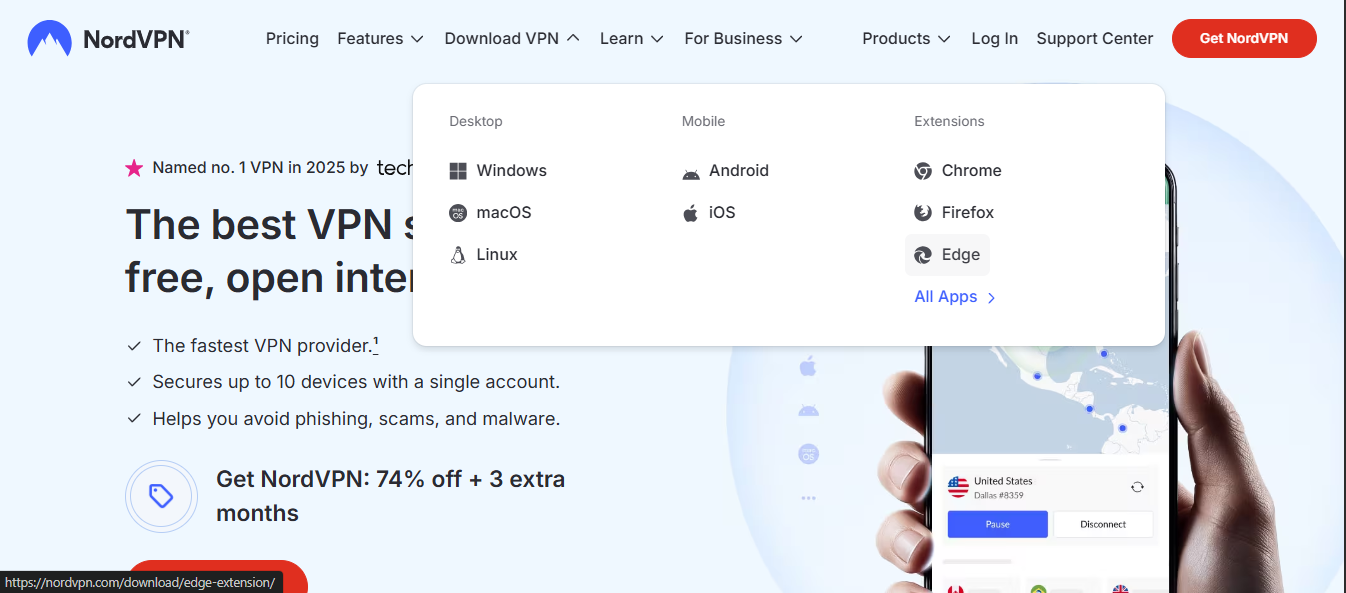
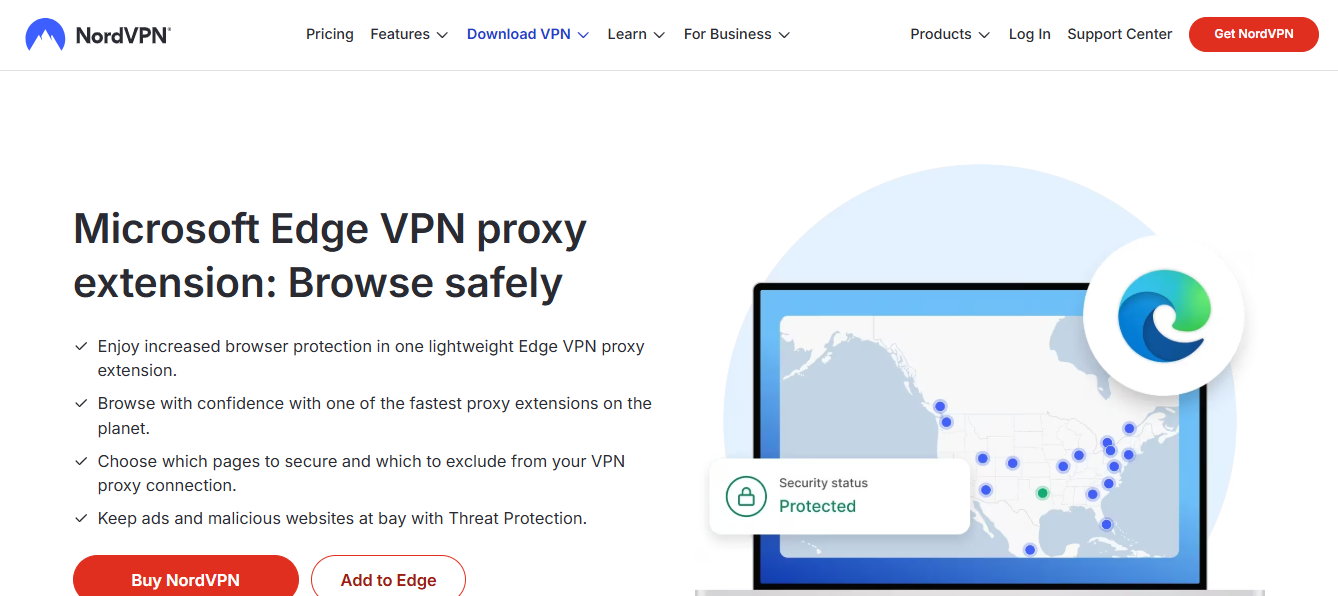
Free vpn for chrome vpn proxy veepn edge. Whether you’re trying to bypass geo-restrictions, protect your data on public Wi‑Fi, or just keep your online habits private, a good free VPN for Chrome, along with reliable VPN proxy options for Veepn and Edge, can be a game changer. Here’s a quick, practical guide to help you pick the right one and use it safely.
- Quick facts:
- Free VPNs often cap bandwidth or time, but there are options that strike a balance between speed and privacy.
- Browser extensions for Chrome and Edge are convenient but may expose more data if they’re not from trusted providers.
- A VPN proxy can be useful for light browsing and geo-unlock tasks, but it’s not a substitute for a full VPN in terms of privacy.
What you’ll learn in this guide
- How to identify trustworthy free VPNs for Chrome, Edge, and proxy options for Veepn
- Pros and cons of free VPNs vs paid plans
- Step-by-step setup for Chrome and Edge extensions
- Important safety tips and myths you should know
- Real-world tests: speed, reliability, and privacy considerations
- A handy FAQ with common questions answered
Useful resources unlinked text Apple Website - apple.com Artificial Intelligence Wikipedia - en.wikipedia.org/wiki/Artificial_intelligence Netflix Help Center - help.netflix.com Mozilla VPN FAQ - support.mozilla.org Chrome Web Store - chrome.google.com/webstore Microsoft Edge Support - support.microsoft.com Veepn Official - veepn.com Privacy International - privacyinternational.org TechRadar VPN Guide - techradar.com/vpn-guide CNET VPN Review - cnet.com/topics/vpn/
Understanding the landscape: free VPNs, proxies, and Veepn edge compatibility
Choosing the right tool starts with understanding what you actually need. Free VPNs for Chrome or Edge extensions can hide your IP and encrypt traffic between your device and the VPN server. VPN proxies like HTTP/SOCKS proxies are lighter and often faster, but they don’t always encrypt all traffic or protect DNS requests the way a full VPN does.
Key differences at a glance:
- Full VPN for Chrome/Edge: Encrypts all device traffic, hides IP, protects DNS, and routes everything through the VPN server.
- VPN proxy: Routes browser traffic or a subset through a proxy server; encryption is not guaranteed unless you use HTTPS proxies or combine with a separate TLS layer.
- Veepn edge compatibility: Some VPNs offer edge-optimized apps or extensions tailored for Edge, while others work via standard browser extensions.
Data points to consider as of 2024–2026
- Free VPNs often impose daily/monthly data limits e.g., 500 MB to 2 GB.
- Speed on free plans tends to be lower due to heavy user load and fewer servers.
- Privacy terms can be lax with free providers; some may log data or show ads.
- Browser extensions can be convenient but may request broad permissions, so read the permissions list carefully.
How to pick a trustworthy free VPN for Chrome and Edge
To stay safe while enjoying a free VPN experience, look for these signals:
- Clear privacy policy: No-logs if possible, or explicit data minimization.
- Strong encryption: AES-256 is the standard; look for OpenVPN or WireGuard protocols.
- Independent audits: Certificates of audit or third-party audits add credibility.
- Transparent data caps: Know exactly how much data you get per day/month.
- Easy upgrade path: A clearly defined paid tier if you need more features.
- Good reputational signals: Positive user reviews, non-suspicious app behavior, and responsive support.
Common red flags How to disable vpn on Windows, Mac, iPhone, Android: step-by-step guide to turning off a VPN service 2026
- Vague privacy policies or unknown ownership.
- Excessive permissions requested by the extension.
- Aggressive advertising or forced sign-ups within the app.
- No active server list or rarely updated servers.
How to install and use free VPN for Chrome extension and Edge extension
Step-by-step quick start
- Pick a trusted free VPN extension compatible with Chrome or Edge.
- Go to the Chrome Web Store or the Edge Add-ons site and search for the VPN extension.
- Read the permissions and reviews. Install the extension.
- Open the extension, agree to terms, and choose a server location preferably one close to you for speed.
- Toggle activation and test a site to confirm the VPN is working.
- Monitor data usage if there’s a cap and switch servers if you hit slow speeds.
- When you’re done, turn off the VPN extension to revert to normal browsing.
Tips for better performance
- Connect to a nearby server to reduce latency.
- Use the VPN’s “automatic” or “smart” mode if available to pick faster servers.
- Close unnecessary background tabs or apps that use bandwidth.
- If streaming, try different servers or switch to a VPN with optimized streaming support.
Security best practices
- Always verify you’re connected to the VPN before entering sensitive data.
- Use a reputable extension from a known provider; avoid dubious “free VPNs” with poor reviews.
- Consider pairing with a privacy-conscious browser e.g., in private mode for sensitive tasks and enable browser-level protections.
VPN proxy options: when to use a proxy vs a VPN
- Use case fit:
- Proxies are great for bypassing simple geo restrictions in a pinch, light browsing, or coding tasks that require a specific IP.
- VPNs cover all traffic, protect DNS leaks, and provide stronger privacy for general browsing and sensitive activities.
- Privacy and security:
- Proxies generally don’t encrypt traffic end-to-end; VPNs do.
- Some proxies log activity; free proxies may inject ads or alter pages.
- Ease of setup:
- Proxies can be simpler to configure in specific apps, but require manual setup for each tool or browser.
- VPNs are often a single-click solution covering the whole device or browser.
Performance and reliability: real-world expectations
- Speed tests benchmarks vary by server and time of day often show free VPNs offering 5–40 Mbps on closer servers, with congestion causing slowdowns during peak hours.
- Reliability depends on server load and geolocation. Free servers may be throttled or removed without notice.
- Streaming and gaming cases: Free options may struggle; premium plans or dedicated servers often deliver better results.
- Privacy and safety: Free VPNs may log usage data, show ads, or push malware if you’re not careful. Stick to reputable providers and keep your extensions updated.
Data privacy and legal considerations
- Laws vary by country; using a VPN is legal in many places but check local regulations.
- Free VPNs can still collect metadata, device information, or DNS requests. Read the privacy policy carefully.
- When handling sensitive data banking, personal info, consider a paid VPN with a solid privacy policy and a no-logs commitment.
How to maximize security with Veepn edge and other browsers
- Regularly update extensions and browser to patch security vulnerabilities.
- Enable two-factor authentication on your VPN account if available.
- Use strong, unique passwords for VPN accounts; consider a password manager.
- Disable WebRTC leaks in your browser settings to prevent IP exposure, especially in Chrome and Edge.
- Use HTTPS-only mode when possible to ensure encrypted connections end-to-end.
Use-case scenarios and practical recommendations
Scenario 1: You’re traveling and want to access home-country streaming services on Chrome
- Best approach: Use a reputable free VPN extension with a country option close to your home. If streaming is blocked, you may need to upgrade or switch to a paid plan with streaming-optimized servers.
Scenario 2: Public Wi‑Fi at a cafe Free vpn extension for microsoft edge browser free, fast, and secure extensions for Edge in 2026
- Best approach: Activate a reputable VPN extension on Chrome or Edge before typing any login information to protect your data from local network snooping.
Scenario 3: Quick bypass of a regional news site restriction
- Best approach: A lightweight proxy could suffice, but ensure it’s from a trusted provider and avoid sharing sensitive data through the proxy.
Scenario 4: Privacy-focused browsing on a shared device
- Best approach: Prefer a full VPN solution that encrypts all traffic, and clear your VPN session when finished, especially on public or shared devices.
Comparison table: free VPNs vs paid VPNs for Chrome/Edge
| Feature | Free VPN Chrome/Edge extensions | Paid VPN |
|---|---|---|
| Data allowance | Often limited MB/GB per month | Unlimited or high cap |
| Server locations | Limited | Numerous global servers |
| Speed | Varies; often slower during peak times | Consistently higher speeds |
| Privacy policy | Often limited; potential data sharing | Stronger no-logs commitments |
| Ads | Possible in free plans | Usually none |
| Support | Community forums; limited | 24/7 live support |
| Platforms | Browser extension; may not cover all apps | Full device and browser protection |
| Streaming compatibility | Inconsistent | Optimized for streaming |
Troubleshooting common issues
- Issue: VPN won’t connect
- Check your internet connection, restart the extension, try a different server, and ensure the extension has the required permissions.
- Issue: Slow speeds
- Switch to a nearby server, close other bandwidth-heavy apps, and consider upgrading to a premium plan if available.
- Issue: DNS leaks
- Enable the VPN’s built-in DNS protection or switch to a trusted VPN that explicitly blocks DNS leaks.
- Issue: Extension blocked by the browser
- Reinstall the extension, clear cache, or try a different extension from a reputable provider.
Best practices for using free VPNs with Chrome and Edge
- Limit daily data use: Keep track of your data cap to avoid abrupt shutdowns.
- Combine with privacy tools: Use a privacy-focused browser profile, disable unnecessary extensions, and enable tracking protection.
- Be mindful of what you’re accessing: Avoid entering sensitive data through free VPN proxies unless you trust the provider.
- Keep software up-to-date: Regular updates reduce security risks.
Frequently Asked Questions
What is the best free VPN for Chrome and Edge?
The best option depends on your needs—speed, privacy, and data allowances vary. Look for a trusted provider with a clear privacy policy, reasonable data limits, and good user reviews. Always verify the extension’s permissions before installing.
Do free VPNs really protect my privacy?
Free VPNs can protect your data from public Wi‑Fi and hide your IP, but many come with trade-offs like data caps, slower speeds, and potential data collection. If privacy is critical, a reputable paid VPN is often a safer bet.
Can I use a VPN proxy for Chrome?
Yes, you can use a VPN proxy for specific tasks, but note that proxies typically don’t encrypt all traffic. For general privacy and better security, a full VPN is usually preferred. Edge client vpn: choosing, setting up, and optimizing a secure Edge client VPN for personal and business use 2026
Are Veepn Edge-compatible VPN extensions trustworthy?
Some reputable providers offer Edge-compatible extensions. Verify the provider’s reputation, read reviews, and check for independent audits or transparent privacy policies.
Will a free VPN work for streaming on Chrome?
Some free VPNs offer streaming support, but it’s hit-or-miss. Free plans often have bandwidth limits and fewer servers optimized for streaming. Consider a paid plan if you stream regularly.
What’s a VPN vs a proxy: key difference?
A VPN encrypts and routes all device traffic through a VPN server, while a proxy routes traffic for specific apps or browsers and may not encrypt all data. VPNs generally provide stronger privacy.
How do I avoid DNS leaks with a VPN?
Choose a VPN that includes DNS leak protection, or enable DNS protection in the app settings. Some VPNs also offer forced DNS routing to prevent leaks.
Can I use VPNs on public Wi‑Fi without slowing down my connection?
Public Wi‑Fi networks can be slow or congested. A nearby server and a lightweight VPN profile can help, but expect some slowdown compared to a private network. Edge浏览器vpn: Edge browser VPN guide for Windows, Edge extensions, setup, best providers, and privacy tips 2026
Is it safe to use free VPNs on school or work networks?
Many free VPNs violate school or workplace policies or pose security risks. Check your organization’s policy and use trusted tools if allowed.
Do I need VPN on every device, or is a browser extension enough?
If you want full-device protection, use a VPN app that covers all traffic. Browser extensions protect browser traffic but may not cover other apps or system DNS requests.
How do I uninstall a free VPN extension on Chrome or Edge?
Go to the browser’s extensions page, locate the VPN extension, and select Remove or Uninstall. Restart the browser to complete the removal.
Can a VPN extension slow down my browsing significantly?
Yes, especially on free plans with limited servers. If you need consistent speed, upgrading to a paid plan or choosing a VPN with optimized servers is usually worth it.
Are there privacy-friendly free VPNs I can trust?
There are some reputable free options, but you should scrutinize their privacy policy and permissions. Look for providers with transparent practices and independent audits. F5 vpn edge client download 2026
How do I verify a VPN’s security claims?
Look for independent audits, reputable encryption standards AES-256 with OpenVPN or WireGuard, and a clear no-logs policy. User reviews and third-party tests can help gauge reliability.
Can I use a VPN without data logging?
Some providers promise zero-logs but verify by checking the privacy policy and any available third-party audits. No-logs claims should be clearly stated and auditable.
What’s the recommended setup for daily browsing with a free VPN?
Use a trusted free VPN extension, enable DNS protection, keep the browser updated, and monitor data usage. If you hit limits, consider a lightweight paid option or switch providers.
How often do free VPNs update their servers?
Server lists can vary. Reputable providers refresh servers and locations regularly to avoid stale, slow routes. Check the provider’s site for server status updates.
What should I do if my VPN extension crashes?
Restart the extension or browser, clear cache, or reinstall the extension. If crashes persist, contact customer support or try a different trusted extension. How to open edge vpn: step-by-step guide to enabling Edge VPN features and using Edge Secure Network on Windows 2026
Can I combine a VPN with other privacy tools like a firewall or anti-tracking extensions?
Yes. A layered approach can improve privacy, but ensure there’s no conflict between tools that could cause connectivity issues.
Is it legal to use VPNs in most countries?
In most countries, using a VPN is legal, but some jurisdictions restrict certain activities or require government-managed VPNs. Always check local laws.
How do I compare free VPNs side-by-side?
Create a quick comparison chart: data limits, server count, encryption, no-logs policy, ads, platform support, and user reviews. Use this as a decision aid.
Can I upgrade from a free plan to a paid plan later?
Most providers offer a straightforward upgrade path within the app or website. You can keep your settings and data when upgrading.
What are common signs of a suspicious VPN?
No clear privacy policy, questionable ownership, pushy ads, and extensions asking for extensive device permissions. How to turn off vpn on microsoft edge 2026
Frequently Asked Questions repeat emphasis
- Answering the 10 or more questions above gives you a practical sense of what to expect and helps you avoid common pitfalls when using free VPNs for Chrome, VPN proxies, Veepn, and Edge.
Conclusion When you’re dealing with free VPNs for Chrome or Edge, the goal isn’t just to hide your IP—it’s to balance privacy, speed, and practicality. If you find a reputable free option that provides transparent rules, reasonable data limits, and robust security features, you’ll be in a good position to browse freely and safely. Remember to stay cautious about data permissions, keep your software updated, and know when to upgrade to a paid plan for enhanced privacy and reliability. With the right approach, free VPNs and proxies can be useful tools in your online toolkit.
Free vpn for chrome vpn proxy veepn edge: a practical, down-to-earth guide to free chrome vpn extensions, veepn edge compatibility, and safe online privacy in 2025
Yes, Free vpn for chrome vpn proxy veepn edge can be used to enhance privacy and access geo-restricted content. This guide cuts through the hype and shows you practical options, what to expect, and how to stay safe while using free VPNs with Chrome and Edge. Below you’ll find a clear rundown of how free VPNs work in Chromium-based browsers, which extensions are worth your time, the real trade-offs you’ll face, and step-by-step setup tips. If you’re serious about privacy without paying, you’ll also see when it makes sense to upgrade to a paid service. For a trusted paid option, NordVPN often offers deep discounts — check it out here:
Useful resources and starting points: ProtonVPN official site - https://protonvpn.com Windscribe official site - https://windscribe.com TunnelBear official site - https://www.tunnelbear.com Hide.me official site - https://hide.me Atlas VPN official site - https://atlasvpn.com NordVPN official site - https://nordvpn.com Chrome Web Store extensions - https://chrome.google.com/webstore/category/extensions Microsoft Edge Add-ons store - https://microsoftedge.microsoft.com/addons/category/extensions IPLeak.net - https://ipleak.net WhatIsMyIPAddress - https://whatismyipaddress.com
Introduction: what this guide covers in plain language How to use vpn on microsoft edge - a comprehensive guide to using VPN extensions and system-wide VPNs in Edge 2026
- What a free VPN can realistically deliver in Chrome and Edge, and what it cannot
- A quick look at popular free options their data caps, server limits, and privacy trade-offs
- How Veepn Edge and Chrome extensions usually work, plus step-by-step install tips
- Safety considerations, leak tests, and how to verify you’re actually protected
- When to stick with a free plan and when to upgrade to a paid VPN for better privacy and speed
- Practical tips for streaming, browsing securely, and avoiding common free-VPN pitfalls
What a free VPN can and can't do for Chrome and Edge
- Free VPNs in Chrome and Edge typically rely on browser extensions or lightweight apps that route some traffic through a VPN server. They can help you: hide your IP from the sites you visit, bypass basic regional blocks, and add an extra layer of privacy on public Wi-Fi.
- They can’t magically deliver the same performance as paid services. Free plans usually come with data caps, slower speeds, a smaller server footprint, and limited features. Expect occasional buffering if you’re streaming or gaming.
- Some free options restrict you to a handful of servers, daily or monthly data caps think 1–10 GB per month for popular free plans, and basic security without advanced features like a robust kill switch, split tunneling, or dedicated P2P servers.
- Privacy caveats are real. A number of free VPNs monetize via ads, tracking, or sharing data with third parties. Always read the privacy policy and terms of service before you enable any extension or app.
Top free VPNs to consider for Chrome and Edge in 2025
- ProtonVPN Free: Known for strong privacy ethics and a no-log policy. The free tier typically offers unlimited data but access to a smaller set of servers and slower speeds during peak times. It’s a good option if you want steady privacy without the data cap drama. Pros: No data cap, solid privacy stance. Cons: Limited server access on the free plan. slower speeds at times.
- Windscribe Free: A popular free option with a monthly data allowance around 10 GB if you verify your email and perform some steps. It includes a decent set of servers and a straightforward interface, plus built-in ad and tracker blocking. Pros: Generous data cap for a free plan, good customization. Cons: Some servers are slower. data resets monthly.
- TunnelBear Free: A user-friendly choice with a small monthly data limit often around 500 MB, with occasional promos for more. It’s easy to use in Chrome and Edge, especially for light browsing and occasional streaming from allowed regions. Pros: Great for beginners, friendly UI. Cons: Very small data allowance. not ideal for heavy use.
- Hide.me Free: A reputable option with a modest data allowance and a few server choices. It’s known for decent speeds and a straightforward setup, with a focus on privacy. Pros: No obvious ads in the app. relatively transparent policy. Cons: Data cap can be restrictive for video or large downloads.
- Atlas VPN Free: A newer kid on the block that offers a controlled number of free servers and monthly data. It’s simple to use on Chrome and Edge and can handle light browsing or occasional streaming. Pros: Easy setup, decent privacy approach for a free tier. Cons: Data cap and fewer server locations than paid tiers.
Note: The exact data caps and server availability can change, so check the current details in the Chrome Web Store or Edge Add-ons store before committing to a free plan.
Veepn Edge and Chrome extensions: setup and usage
- What to expect: In practice, a Veepn Edge or Chrome extension is a lightweight tool that sits in your browser and routes traffic through a chosen VPN server. Some extensions only proxy, while others create a full VPN tunnel for all browser traffic. Pay attention to which one you’re installing.
- Step-by-step quick setup:
- Open Chrome or Edge and go to the Chrome Web Store or Edge Add-ons store.
- Search for the VPN extension you want to use e.g., ProtonVPN, Windscribe, TunnelBear, Hide.me or Veepn Edge if that’s a recognized name in your ecosystem.
- Click Add to Chrome/Edge and confirm permissions. You’ll typically be asked to allow the extension to read and change data on the websites you visit.
- After installation, click the extension icon near the address bar, pick a server location, and turn the VPN on.
- Verify your IP address has changed by visiting a site like whatismyipaddress.com or ipleak.net.
- Important caveats:
- Browser extensions may not encrypt all device traffic. If you need system-wide protection including apps outside the browser, install the VPN app on your device and use the browser extension as a supplement.
- Some free extensions may display ads or inject tracking. Always review permissions and consider privacy-first options.
- If you care about leaks DNS, WebRTC, run dedicated tests after you enable it. Free options sometimes fail basic checks under certain configurations.
Privacy, security, and safety tips when using free VPNs Hoxx vpn proxy edge review: features, privacy, performance, setup guide, and top alternatives for 2026
- Read the privacy policy carefully. Look for explicit data collection statements, data sharing with third parties, and whether logs are retained.
- Avoid extensions that operate as pure proxies with no encryption. A VPN should encrypt your traffic. a proxy may not protect you in the same way.
- Enable any built-in kill switch if the option is available. A kill switch stops traffic if the VPN connection drops, preventing IP leaks.
- Be cautious with data-intensive tasks. If you’re streaming HD video or doing large downloads, a free plan will likely struggle. Consider a paid plan for stable speeds.
- Keep your browser updated. Free extensions may rely on older security methods. staying current helps reduce vulnerability exposure.
- Use separate accounts for reviews or signups. Some free VPNs require you to register. protect your primary accounts with strong, unique passwords.
Performance and testing: how to measure speed and verify protection
- Speed expectations: Free VPNs typically cap speed or server capacity. Expect slower streams and longer load times compared to a paid plan.
- Testing steps:
- Run a baseline speed test with your normal connection without VPN using a site like speedtest.net.
- Connect to a free VPN server in your chosen location and run the test again. Compare results.
- Perform a DNS leak test at ipleak.net and a WebRTC leak test at whatismyipaddress.com. If leaks show your real IP, reconfigure or switch servers, or disable WebRTC in your browser settings.
- Streaming and gaming tips: If you’re using a free extension for streaming, start with servers in nearby regions to reduce latency. If buffering becomes frequent, switch servers or upgrade to a paid plan for stable performance.
Strategies: when to stick with free and when to upgrade
- Stick with free if:
- You mainly browse and want occasional privacy boosts on public Wi-Fi.
- You’re in a region where geoblocked content is minimal and you don’t need high-speed streaming.
- You’re okay with slow speeds and smaller server choices.
- Upgrade to paid if:
- You need reliable streaming from multiple regions, real-time gaming, or large file transfers.
- You want robust privacy features no-logs policy, strong encryption, a real kill switch, split tunneling, and a wide server network.
- You require consistent performance across devices and platforms, not just the browser.
- Practical pairing idea: keep a free Chrome/Edge extension for quick privacy checks and use a paid VPN on your device if you need more consistent protection and higher bandwidth.
Common myths about free VPNs
- Myth: Free VPNs are always safe. Reality: Some free VPNs monetize by collecting data or injecting ads. the “free” label often comes with hidden costs to privacy.
- Myth: Free means zero risk. Reality: Any VPN introduces some risk, especially if the provider doesn’t have strong encryption standards or clear policies.
- Myth: You can torrent safely with any free VPN. Reality: Many free VPNs throttle or disallow P2P activity, and some may block torrent traffic entirely.
- Myth: A browser extension is enough for privacy. Reality: Browser extensions may protect only browser traffic. other apps on your device might still reveal your IP.
Browser-specific considerations: Chrome vs Edge
- Chrome extensions generally work well for quick privacy boosts and simple tasks. They’re easy to install and manage but may provide limited protection if you need system-wide coverage.
- Edge extensions Chromium-based work similarly but may have different store policies and extension options. The setup steps are comparable, but you might find certain VPNs have broader adoption in one store over the other.
- For both browsers, verify that the extension actually changes your IP and that there are no leaks, especially for sensitive activities like banking or work from home.
A practical comparison of features to consider free plans Hoxx vpn edge review 2026: features, performance, pricing, security, and setup tips for best VPN experience
- Data cap: ProtonVPN unlimited data, limited servers vs Windscribe 10 GB with verification vs TunnelBear 500 MB baseline vs Hide.me 2 GB–10 GB depending on promotions.
- Server locations: Free plans usually limit to a handful of countries. paid plans unlock many more.
- Connection type: Some free options are browser proxies rather than full VPN tunnels. verify what your browser extension actually does.
- Privacy policy: Look for audits, third-party assessments, and clear statements about logging and data sharing.
Frequently asked questions
Is a free VPN safe to use on Chrome or Edge?
Free VPNs can be safe in terms of encryption if they come from reputable providers, but many cheap/free options compromise privacy to fund their services through ads or data collection. Always review the privacy policy, and prefer providers with a transparent stance on data and independent audits when available.
Do free VPN extensions encrypt my traffic?
Many do, but not all free extensions provide robust encryption or full browser coverage. Some act as proxies, which don’t always encrypt traffic beyond the browser or may route only part of your traffic. Check the extension’s security claims carefully.
How can I check if my VPN is leaking my real IP?
Use DNS leak tests e.g., ipleak.net, WebRTC leak tests via whatismyipaddress.com or similar, and try checking your IP again after connecting. If your real IP shows up, you likely have a leak. Disable WebRTC in your browser if needed or switch to a different server.
Can I watch streaming videos with a free VPN?
Some free VPNs offer servers that work with streaming sites, but speed and reliability are often limited. If you’re frequently streaming in HD from abroad, a paid plan is usually a better bet.
Are free VPNs legal?
In most places, using a VPN is legal. However, you should comply with local laws and service terms. Some activities like piracy in certain regions can have legal consequences regardless of VPN use, so exercise caution and stay within the law.
Can I torrent with a free VPN?
Free VPNs typically restrict or disallow P2P traffic due to bandwidth and policy concerns. If torrenting is essential, you’ll likely need a paid VPN with clear P2P support and adequate speed.
Do Chrome or Edge VPN extensions affect my non-browser apps?
Often, browser extensions affect only browser traffic. If you need system-wide protection for all apps, you’ll want a full VPN app installed on your device, not just a browser extension.
How can I speed up a VPN connection on a free plan?
Try a server closer to your location, test different servers within the free list, ensure other devices aren’t hogging bandwidth, and disable unnecessary extensions. If the speed is still a problem, consider upgrading to a paid plan for better performance.
How do I compare paid vs free VPNs effectively?
Look at server count and locations, speed consistency, no-logs and privacy audits, kill switch availability, DNS and WebRTC leak protections, platform support Windows, macOS, iOS, Android, and customer support responsiveness.
Can I install VPNs on my router to cover Chrome and Edge devices?
Yes, installing a VPN on your router provides device-wide protection, including Chrome and Edge on all connected devices. Free router VPN options are limited and often less reliable than paid services, but it’s a viable approach if you want whole-network coverage.
Do free VPNs ever increase privacy for sensitive work?
Free VPNs can be a privacy boost in some contexts, especially on public Wi‑Fi, but they’re not a substitute for a paid, audited service when you’re handling sensitive data or bypassing heavy blocks. Use strong passwords, two-factor authentication, and updated devices alongside your VPN.
Closing notes
- Free VPNs for Chrome and Edge can be a helpful first step toward better privacy and flexibility online, but they come with real trade-offs. Expect data caps, limited server options, slower speeds, and potential privacy concerns with some providers.
- If you’re serious about consistent privacy, strong encryption, and reliable streaming or heavy browsing, a reputable paid VPN is worth the investment. The banner above points to a strong option with a generous discount, but you should pick the service that best fits your needs and budget.
- Always test your VPN setup after installation, verify your IP and leaks, and adjust settings for best privacy without sacrificing essential usability.
Useful URLs and Resources plain text, not clickable ProtonVPN - https://protonvpn.com Windscribe - https://windscribe.com TunnelBear - https://www.tunnelbear.com Hide.me - https://hide.me Atlas VPN - https://atlasvpn.com NordVPN - https://nordvpn.com Chrome Web Store - https://chrome.google.com/webstore/category/extensions Edge Add-ons store - https://microsoftedge.microsoft.com/addons/category/extensions
Vpn一键回国:2025年海外华人访问国内网络的终极指南
'%2F%3E%3Ctext%20x%3D'50%25'%20y%3D'50%25'%20dy%3D'.35em'%20text-anchor%3D'middle'%20font-family%3D'-apple-system%2CBlinkMacSystemFont%2CSegoe%20UI%2Csystem-ui%2Csans-serif'%20font-size%3D'100'%20font-weight%3D'600'%20fill%3D'%23fff'%3EBK%3C%2Ftext%3E%3C%2Fsvg%3E)
Bram Kovac has been writing about consumer technology since 2018, with bylines covering streaming geo-unblocking, browser fingerprinting, and secure messaging. Approaches each review by setting up the product the same way a typical reader would and recording every snag along the way.