How to turn on vpn on microsoft edge in 2026: step-by-step guide to edge extensions, Windows VPN, and best practices
How to turn on vpn on microsoft edge in 2025 step by step guide to edge extensions windows vpn and best practices: yes, you can enable a VPN in Edge quickly, and you’ll want a solid approach that covers built-in edge VPN options, extensions, and best practices. Here’s a concise, user-friendly outline you can follow today:
- Quick fact: Edge doesn’t have a native full-system VPN, but you can use built-in security features, extensions, and Windows VPNs to protect your traffic.
- What you’ll learn: enabling Edge’s security features, choosing trustworthy VPN extensions, configuring Windows VPN, testing your connection, and keeping things secure.
- How to read this guide: step-by-step sections, plus quick-reference checklists and a FAQ at the end.
Useful URLs and Resources text only Apple Website - apple.com Artificial Intelligence Wikipedia - en.wikipedia.org/wiki/Artificial_intelligence Microsoft Edge Support - support.microsoft.com VPN extension marketplace - chromewebstore.google.com Windows VPN settings - support.microsoft.com/en-us/windows/networking-vpn-setup
Why you might want a VPN in Microsoft Edge
- Protects your data on public Wi‑Fi
- Encrypts browser traffic and hides your IP in many cases
- Lets you bypass regional content restrictions in a compliant way
- Enhances privacy when you’re browsing sensitive sites
Note: In Windows, you can also connect a system-wide VPN that routes all apps through the VPN, not just Edge. We’ll cover both Edge extensions and Windows VPN options.
Quick-start checklist
- Decide between Edge extensions vs. Windows VPN or both
- Pick a reputable VPN provider with Edge support
- Install Edge extension or configure Windows VPN
- Test your connection on edge pages and non-edge apps
- Review privacy settings and kill switches
Native Edge features and why they matter
- Edge is built on Chromium, so many VPN extensions available in the Chrome Web Store work here.
- Edge can work with Windows VPN connections, meaning you can route Edge traffic through a system VPN.
- Extensions can be easier for quick use, but Windows VPNs can provide broader protection.
Option 1: Use a VPN extension in Microsoft Edge recommended for quick protection
Step 1: Choose a reputable VPN extension
- Look for zero-logs policy, strong encryption AES-256, and a reputable provider.
- Check user reviews and ensure the extension is from the official VPN provider.
- Ensure the extension supports kill switch and DNS leak protection if available.
Step 2: Install the extension
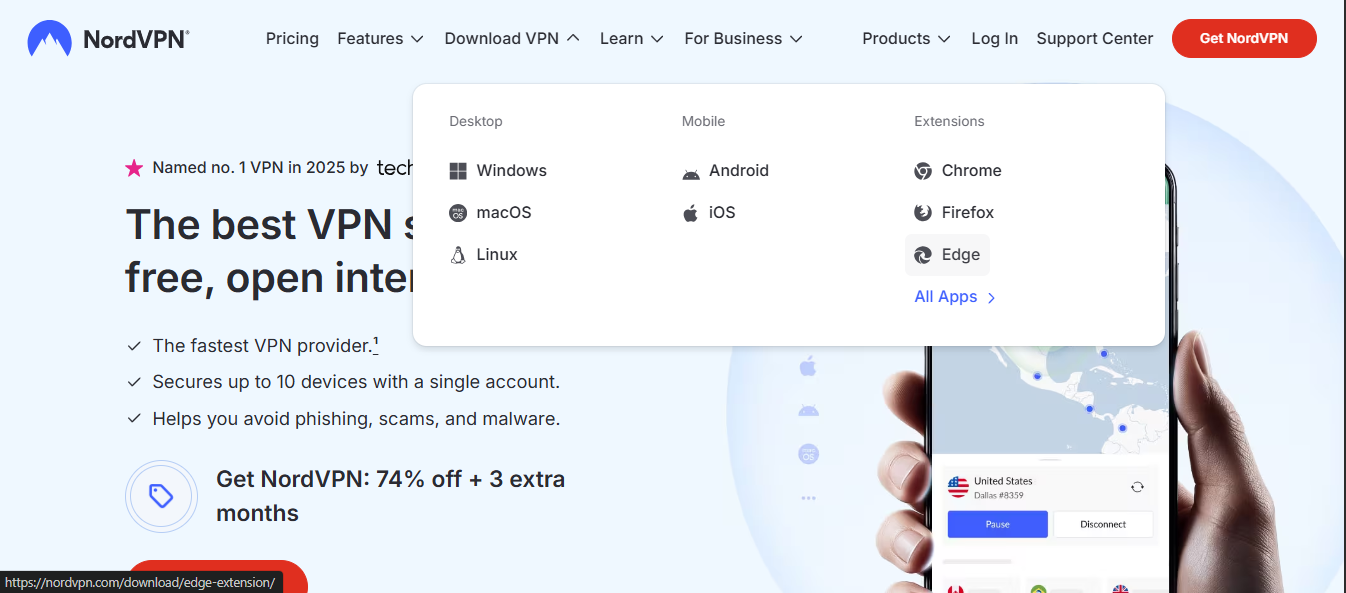
- Open Edge and go to the Extensions menu three dots > Extensions.
- Search for your chosen VPN extension in the Edge Add-ons store or from the provider’s site.
- Click Install and confirm permissions the extension asks for usually notifications, proxy settings, and local data.
Step 3: Sign in and configure
- Click the VPN extension icon in the toolbar.
- Sign in with your VPN account.
- If offered, enable features like:
- Kill switch to cut traffic if the VPN drops
- DNS leak protection
- Auto-connect on startup or when on unsecured networks
Step 4: Pick a server and connect
- Choose a server location that fits your goal e.g., nearby for speed, a country for accessing content.
- Click Connect and wait for the status to show connected.
- Verify the connection by visiting a site that shows your IP e.g., whatismyip.com to confirm the VPN IP.
Step 5: Test and verify protections
- Open Edge and browse normally; ensure pages load as usual.
- Test DNS leaks by visiting dnsLeakTest.com or similar.
- If you experience slowdowns, try switching servers or disabling IPv6 in your VPN settings if supported.
Step 6: Manage and maintain
- Keep the extension updated through Edge.
- Periodically review permissions and remove extensions you don’t use.
- Consider a backup plan if your VPN extension loses connection auto-reconnect, fallback servers.
Option 2: Use Windows VPN system-wide VPN and access via Edge
Step 1: Choose a VPN service that supports Windows
- Look for apps that install a Windows VPN profile or client.
- Ensure compatibility with Windows 10/11/12 and Edge.
- Confirm feature support: encryption standards, kill switch, split tunneling if needed.
Step 2: Install the Windows VPN client
- Download the official VPN app from the provider.
- Run the installer and follow on-screen steps.
- Sign in with your VPN account.
Step 3: Configure VPN settings in Windows
- Open Settings > Network & Internet > VPN.
- Click Add a VPN connection.
- Fill in the VPN provider, connection name, server address, VPN type e.g., L2TP/IPsec, IKEv2, and type of sign-in info username/password, certificate, or a managed token.
- Save the configuration.
Step 4: Connect and test
- In the Windows VPN settings, select the connection and click Connect.
- Once connected, Edge traffic should route through the VPN.
- Check your IP via whatismyip.com and confirm the region has changed.
Step 5: Advanced Windows VPN options
- Kill switch: Ensure it’s enabled in the VPN app or Windows settings to prevent leakage.
- Split tunneling: If you want only Edge traffic to go through VPN, configure split tunneling this is often in the VPN app, not Windows native settings.
- DNS settings: If you encounter DNS leaks, consider forcing DNS to your VPN’s DNS servers or using a trusted third-party DNS over HTTPS.
Option 3: Combine Edge extensions with a Windows VPN for layered protection
- Use a Windows VPN for all traffic, plus an Edge-specific extension for extra privacy in the browser.
- This setup is common for users who want robust security without compromising speed.
- Ensure you don’t create a DNS conflict or double-NAT issues; usually, a single VPN path suffices, but some users want extension-level DNS masking.
Performance and security considerations
- Speed: VPNs add latency; choose nearby servers and enable protocols that balance speed and security IKEv2, WireGuard, or OpenVPN where available.
- Privacy: Use reputable providers with transparent privacy policies; avoid free VPNs that monetize data.
- DNS leaks: Always test for leaks after setup; enable DNS leak protection in extensions or rely on VPN-provided DNS.
- Kill switch: Never skip the kill switch if you’re on a public network; it prevents traffic leaks if the VPN drops.
- Browser fingerprinting: VPNs don’t stop all tracking. Combine with privacy-focused browsing, anti-tracking features, and regular updates.
Table: Pros and cons of Edge VPN extensions vs. Windows VPN
| Method | Pros | Cons |
|---|---|---|
| Edge VPN extension | Quick setup, browser-specific protection, easy switching between servers | May not cover non-browser traffic, potential extension security risk, depends on provider |
| Windows VPN system-wide | Protects all traffic, consistent experience across apps, true kill switch | Slightly more complex setup, can reduce speed across all apps |
| Both layered | Maximum coverage, flexibility | More setup steps, potential for conflicts if not configured carefully |
Best practices for edge extensions and Windows VPN in 2025
- Always use reputable providers with clear privacy policies and strong encryption AES-256, modern protocols like WireGuard.
- Enable kill switch and DNS leak protection where available.
- Keep Edge and VPN extensions up to date; enable automatic updates.
- Avoid free VPNs for long-term use; they may log data or inject ads.
- Test your VPN regularly, especially after updates or on new networks.
- Use strong, unique passwords for VPN accounts; enable two-factor authentication if offered.
- Combine with other privacy habits: regular browser updates, disabling unnecessary extensions, and enabling enhanced tracking protection in Edge.
- If you’re in a corporate environment, follow your IT department’s recommended VPN setup and configurations.
Troubleshooting common issues
- VPN won’t connect: Check server availability, try a different server, restart Edge and the VPN extension or Windows VPN client.
- Slow speeds: Switch to a nearby server, try a different protocol, or reduce encryption level if possible note: lowering encryption reduces security.
- DNS leaks: Re-enable DNS leak protection, switch to VPN-provided DNS, or disable IPv6 if it’s causing leaks.
- Pages not loading: Disable the VPN temporarily to confirm if the issue is VPN-related; clear cache and cookies.
Quick-start step-by-step guide condensed
- Pick your path: Edge extension or Windows VPN or both.
- Install extension from Edge Add-ons or install Windows VPN app.
- Sign in and configure security settings kill switch, DNS protection, auto-connect.
- Choose a server location and connect.
- Verify your IP and run a DNS leak test.
- Browse securely and monitor performance.
- Update regularly and review permissions.
Real-world tips from users
- A lot of users prefer WireGuard-based VPNs for better speed and modern security.
- Some gamers opt for Edge extensions with nearby servers to reduce latency while keeping their browsing protected.
- On public Wi‑Fi, having a VPN on helps keep sensitive data away from prying eyes, especially when logging into banking sites or work portals.
Edge-specific settings you might want to tweak
- Privacy, Search, and Services in Edge: Enable tracking protection and block third-party cookies as needed.
- Proxy settings in Edge are typically controlled by the Windows VPN or Edge extension; use system proxy if your VPN requires it.
- Notifications: Limit or disable pop-ups from VPN extensions to avoid distraction.
How to verify you’re really using the VPN
- Visit whatismyip.com to confirm your IP shows the VPN server location.
- Check DNS leaks with dnsleaktest.com.
- Use a browser fingerprinting test to see if your browser is exposing common attributes; this is supplementary but helpful.
Edge extensions worth considering
- Popular reputable VPN extensions with Edge support: example names, replace with actual providers you use
- VPN Extension A
- VPN Extension B
- VPN Extension C
- Look for extensions with:
- Clear privacy policy
- Regular updates
- Option for kill switch and DNS protection
Security reminders
- Never disable security features unless you understand the risk.
- Regularly review app and extension permissions.
- Use a trusted antivirus and keep Windows updated for security patches.
Frequently Asked Questions
How do I turn on a VPN in Microsoft Edge with an extension?
Install a trusted VPN extension from the Edge Add-ons store, sign in, enable kill switch and DNS protection, choose a server, and connect. Then verify your new IP.
Can I use Edge without a Windows VPN and still be protected?
Edge extensions can provide browser-level protection, but a system-wide Windows VPN offers broader coverage. For maximum protection, use both.
What’s the difference between a VPN extension and a proxy in Edge?
A VPN extension encrypts traffic between your browser and the VPN server, while a proxy redirects traffic but usually doesn’t encrypt all traffic or protect DNS.
Is it safer to use a paid VPN service?
Yes, paid services tend to offer stronger privacy policies, better performance, and reliable support compared to free options. Hoxx vpn edge review 2026: features, performance, pricing, security, and setup tips for best VPN experience
Will a VPN affect my streaming speed on Edge?
Yes, VPNs can reduce speed due to encryption and distance to servers. Connecting to nearby servers often helps.
How do I know if my VPN is leaking DNS?
Run a DNS leak test after connecting. If your DNS servers show the VPN provider’s servers, you’re likely leak-free.
Can I run a VPN extension and Windows VPN at the same time?
You can, but conflicts can occur. It’s usually enough to use one core path, with an optional layered approach if you know what you’re doing.
What should I do if Edge doesn’t connect to the VPN?
Check server status, ensure the extension is up to date, reboot your browser, and verify Windows network settings. If needed, switch servers or reconfigure.
How often should I update my VPN software?
As soon as updates are available, ideally with a quick check once a week, especially after major Windows updates. Hoxx vpn proxy edge review: features, privacy, performance, setup guide, and top alternatives for 2026
Can I use VPNs for work from home with Edge?
Yes, many organizations use VPNs to secure remote work. Follow your IT policy and use corporate VPNs if provided.
Introduction
You can't turn on a VPN directly in Microsoft Edge. use a VPN app or extension, or configure a system-wide VPN in Windows. This guide breaks down the two most reliable paths: browser-based VPN extensions that work inside Edge, and a full-system VPN that protects everything you do online, including Edge. You’ll also get practical tips, troubleshooting, and a bottom-line plan you can follow today.
- Quick start options:
- Install a VPN extension in Edge and connect from inside the browser.
- Set up a Windows VPN so Edge traffic rides through the system VPN.
- Use a dedicated VPN app with features like a kill switch and DNS leak protection.
- If you’re after a fast, reliable VPN right away, consider NordVPN with a current deal 77% OFF + 3 Months Free to protect your Edge browsing and beyond. NordVPN deal: NordVPN 77% OFF + 3 Months Free click the image below to see the offer.
Below, you’ll find a straightforward breakdown: how VPNs interact with Edge, how to set up each method, what features to look for, and real-world tips to keep your browsing private and fast. Useful resources and references are listed at the end of this introduction so you can dive deeper if you want.
Useful URLs and Resources un clickable text: Microsoft Edge support - support.microsoft.com NordVPN - nordvpn.com OpenVPN - openvpn.net Wikipedia VPN - en.wikipedia.org/wiki/Virtual_private_network WhatIsMyIP - whatismyipaddress.com DNSLeakTest - dnsleaktest.com How to use vpn on microsoft edge - a comprehensive guide to using VPN extensions and system-wide VPNs in Edge 2026
Understanding how VPNs work with Edge
In broad strokes, a VPN virtual private network creates an encrypted tunnel between your device and a VPN server. All your internet traffic appears to come from that server, not your actual location. For Edge, there are two practical pathways:
- Browser-based VPN extensions: These run inside Edge and typically route only the browser’s traffic through the VPN network. This is fast to set up and perfect if your goal is to browse privately in Edge and bypass geoblocks for specific sites.
- System-wide VPN Windows: This routes all network traffic—Edge and any other app—through the VPN. It’s the better choice if you want full device protection, including apps outside Edge, installers, and software updates.
Why you might choose one over the other:
- Edge extensions are quick, easy to install, and great for lightweight privacy and streaming in-browser. They do not always protect other apps you use on your computer.
- A Windows VPN app or built-in VPN profile provides comprehensive protection with features like a kill switch, DNS leak protection, and split tunneling if your provider supports it.
Key features to look for in a VPN for Edge:
- Strong encryption AES-256 and modern protocols WireGuard, OpenVPN, IKEv2
- Kill switch and DNS leak protection
- No-logs policy and independent audits transparency
- Reliable server network with fast speeds and low latency
- Easy edge/browser integration and cross-device support
Statistics you’ll find relevant:
- The VPN market continues to grow rapidly as privacy concerns rise and streaming services tighten geo-restrictions. Industry reports indicate double-digit growth year over year, with billions in annual revenue across providers. For Edge users, that means more robust, feature-rich options that integrate smoothly with both browser and system settings.
- For streaming and geo-restricted content, a high-quality VPN with fast servers and robust obfuscation makes a noticeable difference in speed and reliability, especially when connecting from regions with busy networks.
Method 1: Use a VPN extension in Edge
If you want a quick, browser-only solution, a VPN extension installed in Edge is the easiest path. It keeps most of your Edge traffic private without messing with other apps. How to turn off vpn on microsoft edge 2026
Steps:
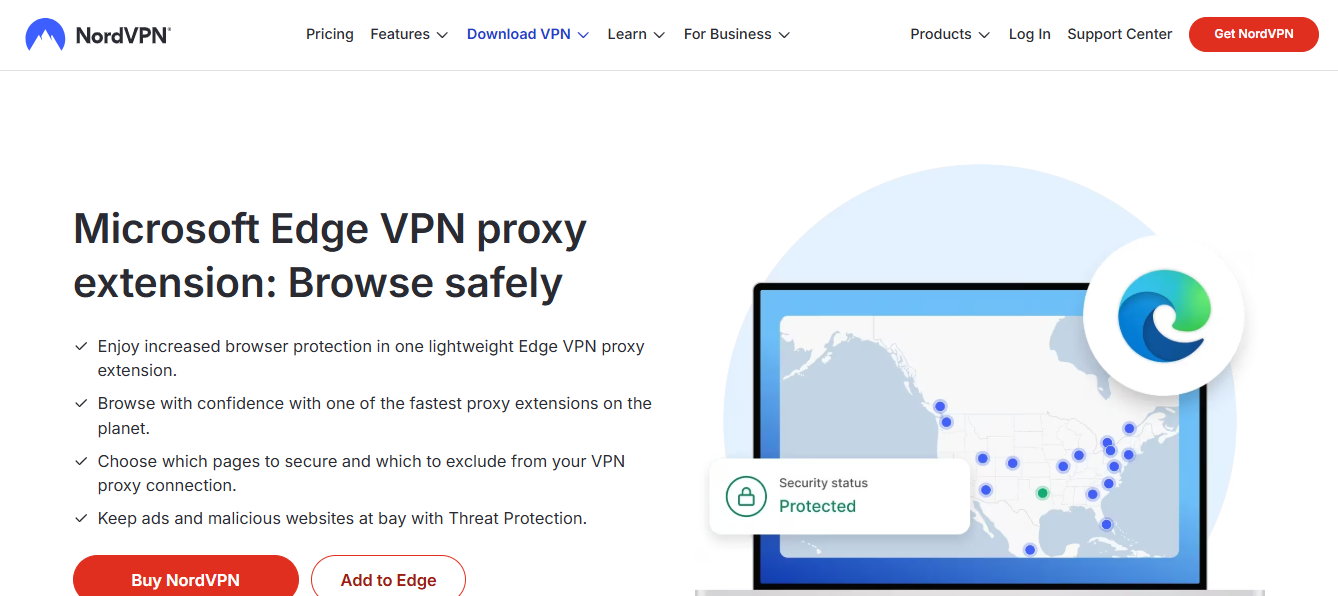
- Open Edge and go to Extensions. You can find this by clicking the three-dots menu > Extensions.
- From Extensions, click Get extensions from Microsoft Edge Add-ons or search for your preferred VPN in the Edge Add-ons store. Edge supports many Chrome Web Store extensions, so you can also install a trusted VPN extension from there you may need to enable “Allow extensions from other stores”.
- Pick a reputable provider NordVPN, ExpressVPN, Surfshark, ProtonVPN, Windscribe, etc. and click Add to Edge. Confirm any prompts to grant permissions.
- Sign in to your VPN account if required, then use the extension’s user interface to connect to a server. You’ll see a status indicator in Edge showing when you’re connected.
- Pro tips:
- Use the server location closest to you for the best balance of speed and privacy, unless you’re unblocking a specific region.
- Some extensions offer split tunneling, letting you decide which sites or apps go through the VPN. If you only want Edge traffic protected, enable browser-only tunneling if your extension supports it.
- Remember: browser extensions typically protect Edge traffic in the browser, not other apps on your computer.
Edge extension pros and cons:
- Pros: Quick setup, browser-local protection, easy switching between servers, often free or lower-cost options.
- Cons: Not all traffic or apps on your computer are protected. some extensions add a small amount of browser overhead. some sites may detect VPN usage and block or flag you.
Security notes:
- Choose extensions from reputable providers with audited no-logs policies and strong encryption. Avoid “free” extensions that monetize via data leakage or advertising.
- Regularly update extensions, keep Edge updated, and disable extensions when you’re not using VPN protection to minimize surface area for potential vulnerabilities.
Method 2: Set up a system-wide VPN in Windows
If you want full protection for Edge and everything else on your computer, a Windows VPN setup is the way to go. This routes all traffic through the VPN, including Windows updates, apps, and Edge.
Steps Windows 11/10: How to open edge vpn: step-by-step guide to enabling Edge VPN features and using Edge Secure Network on Windows 2026
- Get your VPN service details from your provider: server address, VPN type IKEv2, L2TP/IPsec, or OpenVPN/Tunnelblick-style configs, and login credentials. Some providers offer automatic configuration files to import.
- Open Settings > Network & Internet > VPN in Windows 11, this is under Settings. in Windows 10, it’s Network & Internet > VPN.
- Click Add a VPN connection.
- VPN provider: Windows built-in
- Connection name: any name you’ll recognize e.g., “My VPN”
- Server name or address: paste the server address from your provider
- VPN type: choose your provider’s recommended type IKEv2 is common. OpenVPN may require a dedicated app
- Sign-in info: username/password, or certificate, depending on your setup
- Save, then select the connection and click Connect.
- Optional: In your VPN app, enable kill switch, DNS leak protection, and, if available, split tunneling. Some providers offer a desktop client that provides easier controls for these features.
- Verify it’s working: go to a site like whatismyipaddress.com to confirm your IP shows the VPN server location. You can also run a DNS leak test to ensure DNS requests aren’t leaking outside the VPN.
Edge-specific notes:
- Once the system VPN is active, Edge traffic will be encrypted and routed through the VPN automatically. You don’t need to configure Edge separately for it to protect your browser traffic.
- If you use split tunneling features on your VPN app, you can route only Edge traffic through the VPN and leave other apps on your regular connection if you want maximum performance for non-Edge tasks.
- If you’re on a corporate or school network, you may need to configure a VPN profile provided by your IT team. They’ll supply the necessary server details and authentication method.
System-wide VPN best practices:
- Enable kill switch: this blocks traffic if the VPN connection drops, preventing leaks.
- Use DNS leak protection: to prevent your DNS queries from leaking to your ISP when the VPN isn’t fully protecting the connection.
- Choose a fast server in a nearby location for everyday browsing. for streaming, pick a server known to support the service you’re using.
- Regularly test for leaks: IP check and DNS leak tests should show the VPN server IP and no DNS leaks.
Method 3: Combine Edge with proxies or privacy settings with caveats
A note about proxies: proxies can be faster for some tasks, but they don’t provide the same level of encryption as a VPN. If privacy and security are your goals, a real VPN is preferred.
- Proxies in Edge: You can configure a browser proxy in Edge settings, but this only routes Edge traffic like the extension approach and does not encrypt data end-to-end. It’s a good option for unblocking content quickly, but not for protecting sensitive data on public networks.
- How to configure a proxy Edge-only: Edge > Settings > System and performance > Open your computer’s proxy settings > Add a manual proxy configuration. Enter the proxy address and port, then save. This affects Edge traffic in a browser-only way and won’t protect other apps.
When to choose a proxy over a VPN:
- You’re just trying to bypass regional restrictions for casual browsing and don’t need full device protection.
- You’re on a trusted network and want minimal overhead.
Best-practice takeaway: India vpn chrome free: the ultimate guide to free and paid Chrome VPNs for India users in 2026
- For comprehensive privacy and security, rely on a real VPN either a browser extension with a trusted provider or a Windows-wide VPN. Use proxies only as a lighter, browser-only workaround.
Choosing the right VPN for Edge
When selecting a VPN to pair with Edge, consider these factors:
- Privacy and logging: Look for a provider with a strict no-logs policy and independent audits. The less data a provider stores, the better your privacy.
- Protocols and speed: WireGuard or practical OpenVPN/IKEv2 options typically offer strong security with excellent performance. Test a few servers to see what works best for you.
- Kill switch and DNS leak protection: These are must-haves for real privacy protection.
- Server network: A broad, well-distributed server network reduces latency and improves access to geo-restricted content.
- Edge-friendly features: Browser extensions that allow easy on/off toggling, per-site rules, and minimal browser overhead are ideal.
- Pricing and trial options: If you’re trying VPNs on a budget, check for trials or money-back guarantees to test Edge performance.
Tip: If you primarily browse in Edge and occasionally need VPN for streaming or secure browsing on public Wi-Fi, a robust extension with a reputable provider can be enough. If you want device-wide protection and privacy across all apps, go with a Windows-wide VPN.
Edge performance and practical tips
- Server location matters. For typical browsing, choose a nearby server to minimize latency. For streaming, select a server known to unblock the service you want.
- Test speeds before and after connecting to a VPN to understand the impact. A good VPN should add only a modest latency increase when connected to a nearby server.
- Enable kill switch and DNS leak protection to prevent accidental exposure if the VPN drops.
- If you notice streaming is blocked on one server, try another server or switch to a dedicated streaming-optimized server many providers advertise these.
- Use split tunneling if your VPN supports it. Route Edge traffic through VPN while leaving heavy downloads or game traffic on your normal connection to preserve speed.
Edge-specific performance tips:
- Keep Edge updated for browser-level security and compatibility with VPN extensions.
- If you use multiple extensions, keep only the essential VPN extension active to avoid conflicts and slowdowns.
- Regularly clear browser cache and cookies to avoid stale sessions that could reveal location data.
Troubleshooting common issues
- VPN not connecting:
- Double-check server address, protocol, and credentials.
- Ensure your firewall isn’t blocking the connection.
- For browser extensions, re-authenticate or reinstall the extension.
- Slow speeds after connecting:
- Try a closer server or a different protocol e.g., WireGuard over OpenVPN if available.
- Ensure no other bandwidth-heavy apps are hogging your connection.
- IP or DNS leaks:
- Run password/protected settings in your VPN app. enable DNS leak protection.
- Test with whatismyipaddress.com and dnsleaktest.com to confirm your traffic isn’t leaking.
- Edge-specific issues:
- If a site blocks VPN traffic, switch server locations or use a dedicated streaming server if your provider offers it.
- Disable other extensions that might interfere with VPN traffic and try again.
Security considerations for Edge users
- Choose reputable providers with transparent privacy practices and independent audits.
- Enable a kill switch to prevent data leakage if the VPN drops.
- Prefer modern protocols WireGuard or OpenVPN with strong ciphers for a mix of speed and security.
- Avoid free VPNs. many monetize user data or inject ads.
- Regularly review app permissions and keep both Edge and the VPN client updated.
Frequently Asked Questions
How do I know if my VPN is working in Edge?
You can verify by visiting whatismyipaddress.com and checking that the IP address corresponds to the VPN server location rather than your real location. Running a DNS leak test at dnsleaktest.com can confirm that DNS queries are being resolved by the VPN.
Can I use Edge extensions to VPN only for Edge?
Yes. Browser extensions act at the browser level, so they typically route Edge traffic through the VPN while leaving other apps on your device unaffected. For complete protection, pair the browser extension with a system-wide VPN. Is browsec vpn good 2026
Is it safer to use a Windows-wide VPN than an Edge extension?
Generally, yes. A system-wide VPN protects all apps, including Edge, email clients, and background services. Extensions are convenient but only protect browser traffic.
Will using a VPN slow down my browsing?
Most VPNs add some latency due to encryption and routing through a remote server. The impact varies by provider and server distance. A nearby, well-optimized server usually minimizes slowdowns.
Can I watch geo-blocked content with a VPN on Edge?
Yes. A VPN can help you appear to be in a different location, which can unblock streaming services. Some services actively detect and block VPN traffic, so you may need to switch servers or use a provider that specializes in streaming.
How do I fix DNS leaks when using a VPN with Edge?
Enable DNS leak protection in your VPN settings. If problems persist, use a VPN with built-in DNS resolution and consider using DNS services that support encrypted DNS like DNS over HTTPS while connected to the VPN.
What VPN protocols should I look for?
WireGuard is often the best mix of speed and security. OpenVPN and IKEv2 are also solid options. Some providers offer their own optimized protocols—test which works best for you. Intune per app vpn ios 2026
Are VPNs legal everywhere?
VPN legality varies by country. In many places they’re legal for personal use, but some regions restrict certain types of VPN traffic. Always check local laws before using a VPN in a new country.
Can I use VPNs on mobile devices as well as Edge on desktop?
Absolutely. Most providers offer apps for iOS and Android, and many support syncing settings across devices. If you’re on the go, you can use the same account to protect Edge on mobile browsers.
What’s the difference between a free and a paid VPN?
Free VPNs often come with data caps, slower speeds, and questionable privacy practices. Paid VPNs typically offer better performance, stronger encryption, wider server networks, and independent audits. It’s generally worth investing in a reputable paid service for real privacy and security.
How do I set up a VPN on Windows 11/10 for Edge?
Create a VPN profile in Windows Settings > Network & Internet > VPN, enter server and authentication details from your provider, and connect. Edge traffic will ride the system VPN automatically, giving you browser and app protection.
Can I use a VPN for gaming alongside Edge?
Yes, you can. A VPN can reduce ping on some routes or help with geo-locked content, but it can also add latency. If speed is critical for gaming, test a nearby server and consider using split tunneling to send only Edge traffic through the VPN. Is edge vpn good reddit: The Comprehensive Guide to Edge VPNs, Reddit Opinions, Pros and Cons, and Best Practices for You 2026
Will Edge VPN extensions work on all browsers or only Edge?
Edge extensions are designed for Edge. If you install the same extension in other browsers, results will vary. Some providers offer cross-browser extensions, but always verify compatibility with the browser you’re using.
What should I do if Edge blocks a VPN extension?
Disable the conflicting extension or try a different edge extension from a trusted provider. Ensure Edge’s settings are configured to allow extensions from trusted sources, and consider using the Windows-wide VPN if Edge continues to block certain traffic.
Resources and further reading
- Microsoft Edge support and settings guidance
- NordVPN official site and help center
- OpenVPN community and resources
- DNS leak testing and privacy resources
- General VPN privacy best practices and protocol comparisons
Remember, the best way to protect yourself in Edge is to pick a reputable VPN approach that fits your needs—browser-based for quick privacy, or system-wide for complete device protection. You’ve got this.
Vpn 电脑王
'%2F%3E%3Ctext%20x%3D'50%25'%20y%3D'50%25'%20dy%3D'.35em'%20text-anchor%3D'middle'%20font-family%3D'-apple-system%2CBlinkMacSystemFont%2CSegoe%20UI%2Csystem-ui%2Csans-serif'%20font-size%3D'100'%20font-weight%3D'600'%20fill%3D'%23fff'%3EBK%3C%2Ftext%3E%3C%2Fsvg%3E)
Bram Kovac has been writing about consumer technology since 2018, with bylines covering streaming geo-unblocking, browser fingerprinting, and secure messaging. Approaches each review by setting up the product the same way a typical reader would and recording every snag along the way.