Change vpn edge: how to configure and optimize a VPN on Microsoft Edge for safe browsing and speed 2026
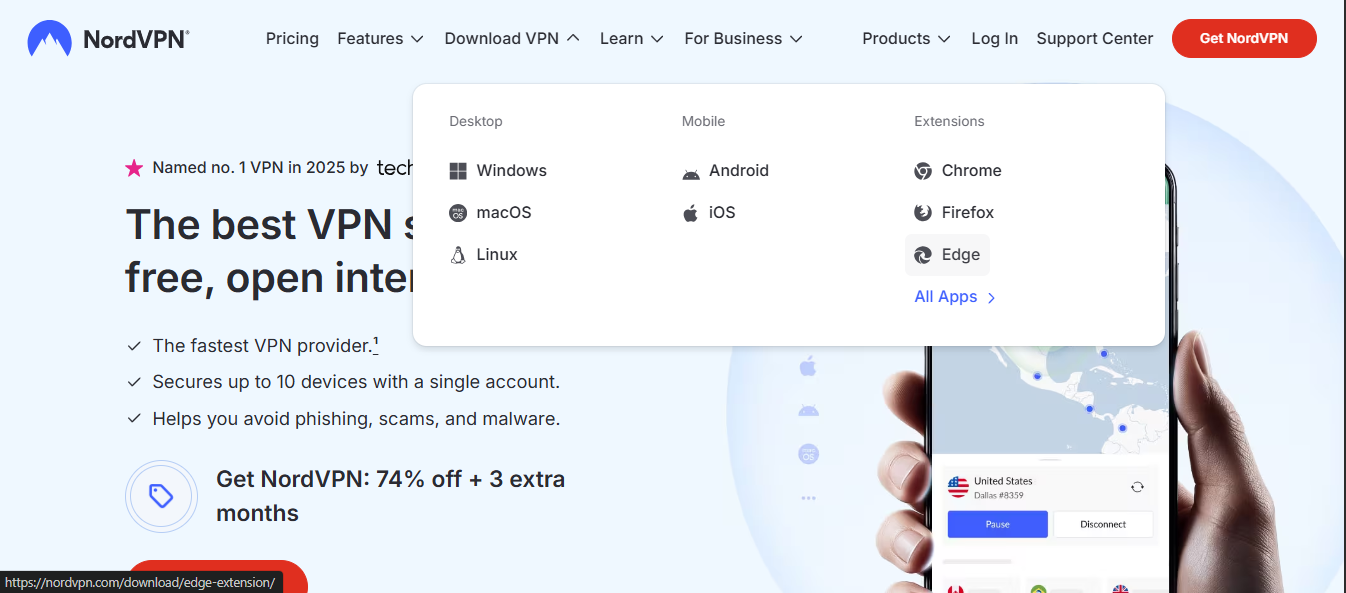
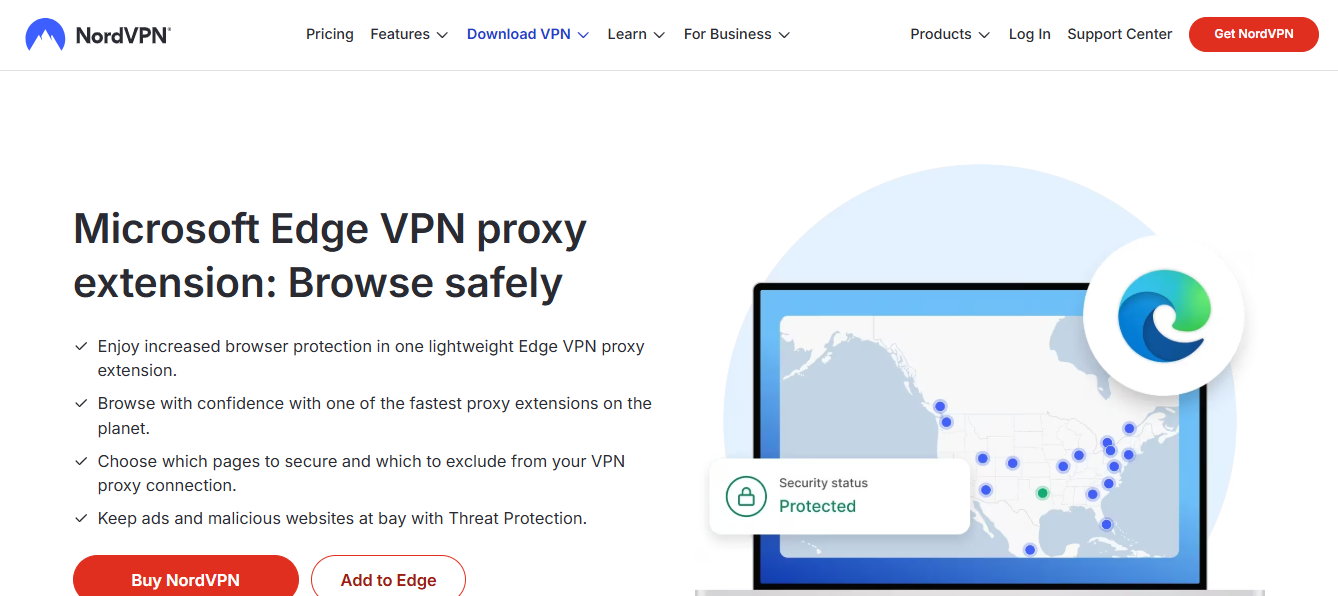
Change vpn edge how to configure and optimize a vpn on microsoft edge for safe browsing and speed is all about getting the most out of Microsoft Edge’s built-in features and a reliable VPN. If you want safer browsing, faster speeds, and less tracking, this guide has you covered. Here’s a concise, practical roadmap you can follow today, with real-world tips and steps.
- Quick fact: A well-configured VPN on Edge can improve privacy, bypass geo-restrictions, and reduce tracking, all while maintaining solid speeds on most networks.
- What you’ll learn:
- How to pick a VPN compatible with Edge
- How to enable and configure a VPN extension in Edge
- How to optimize VPN settings for speed and safety
- How Edge’s security features complement VPN use
- Common issues and quick fixes
Useful URLs and Resources text only Apple Website - apple.com Artificial Intelligence Wikipedia - en.wikipedia.org/wiki/Artificial_intelligence Microsoft Edge Support - support.microsoft.com VPN comparison sites - examplevpn.com Tech reliability guides - techreliability.org
Why use a VPN with Microsoft Edge
Using a VPN Virtual Private Network with Edge helps you:
- Hide your IP address and encrypt traffic, which protects sensitive data on public Wi-Fi
- Bypass geo-restrictions for streaming or research
- Prevent some forms of tracking and profiling by network operators and advertisers
- Potentially improve privacy when browsing in incognito or guest modes
Edge doesn’t come with a built-in VPN, but you can use Edge-compatible VPN extensions or standalone VPN apps that route traffic from your system. The key is to choose a trusted provider and configure it properly.
Understanding VPN options for Edge
There are two main ways to use a VPN with Edge:
- VPN extensions browser-based: These run inside Edge and typically route only the browser traffic through the VPN. Great for quick protection and easy on/off toggling.
- System-wide VPN apps: These route all network traffic not just Edge through the VPN. Best for complete privacy but may slightly impact device performance.
When choosing a VPN, look for:
- Strong encryption AES-256
- No-logs policy
- Kill switch to prevent data leaks if the VPN drops
- DNS leak protection
- Fast servers in multiple regions
- Good Edge extension support or a reliable desktop app
Step-by-step: how to configure a VPN extension in Microsoft Edge
- Pick and install your VPN extension
- Go to the Microsoft Edge Add-ons store
- Search for your VPN provider’s extension e.g., ExpressVPN, NordVPN, Surfshark
- Read reviews and verify the publisher
- Click Get, then Add extension
- Sign in and authorize
- Open the extension from the Edge toolbar
- Sign in with your VPN account credentials
- Accept any prompts for permissions
- Choose a server and connect
- Pick a server location based on your needs closest location for speed; specific country for access
- Click Connect
- Confirm the connection status usually a green badge or “Connected” message
- Enable essential protections
- Turn on the Kill Switch if available
- Enable DNS leak protection
- If offered, choose a secure VPN protocol in the extension settings e.g., OpenVPN, WireGuard
- Test your connection
- Visit a site that shows your IP, like whatismyipaddress.com
- Verify the IP and location reflect the VPN server you chose
- Check for DNS leaks using dnsleaktest.com
- Optional: configure Edge to use the VPN consistently
- In Edge, you can pin the VPN extension for quick access
- If you mainly want browser protection, ensure the extension is set to start with Edge and stay active during browsing
Step-by-step: how to configure a system-wide VPN Windows for Edge
- Install the VPN app
- Download the Windows app from your provider
- Follow the installer prompts
- Sign in and set up
- Launch the app
- Sign in, accept any privacy prompts, and allow for VPN to monitor your network
- Enable essential features
- Turn on Kill Switch to block leaks if VPN drops
- Enable DNS leak protection
- Pick a protocol option WireGuard is often fastest; OpenVPN is widely compatible
- Start the VPN and test
- Connect to a preferred server
- Open Edge and visit whatismyipaddress.com to confirm the VPN is active
- Check for DNS leaks if needed
- Optimize startup behavior
- You can set the VPN to auto-connect when you start Windows or when you connect to unsecured networks
- Ensure Edge behaves well with the VPN by testing common pages video streaming, banking, email
Tips for optimizing VPN speed on Edge
- Choose nearby servers: Proximity often means faster speeds and lower latency.
- Use WireGuard where possible: It’s typically faster and lighter on devices than legacy protocols.
- Avoid peak times if your provider shows server load data: Some servers get crowded.
- Turn off unnecessary features: Some VPNs offer ad-blocking or malware protection; these can slow things down.
- Split tunneling if supported: Route only some traffic through the VPN, keeping other traffic on your normal connection for speed.
- Use a wired connection when possible: Ethernet beats Wi-Fi for stability and speed.
- Update Edge and VPN extensions/apps: Latest versions fix bugs and improve performance.
- Clear browser caches if you notice slow page loads: Cache can interfere with performance in rare cases.
Edge-specific security practices while using a VPN
- Enable SmartScreen and Windows Defender in Windows settings for layered protection alongside VPN usage.
- Use Edge’s InPrivate mode when testing sensitive sites over VPN to minimize local data traces.
- Regularly review VPN permissions requested by Edge extensions and deny any unnecessary access.
- Avoid free VPN extensions that claim strong privacy; many free options monetize data.
- Verify the VPN’s kill switch works by simulating a disconnect on a non-critical site.
Comparing VPN extension vs. system-wide VPN for Edge
VPN extension Edge-only Browser vpn edge: the ultimate guide to browser-based VPNs, edge networks, and private browsing in 2026
- Pros: Fast enable/disable, browser-level protection, less impact on device performance, easy testing
- Cons: Only protects Edge traffic, not other apps or OS-level traffic
System-wide VPN app
- Pros: Protects all traffic, better for devices with multiple apps
- Cons: Can introduce a small performance hit, may require more configuration
Choose based on your needs:
- If you mainly browse in Edge and want quick privacy, extension is enough.
- If you need complete device privacy, go with a system-wide VPN app.
Common issues and quick fixes
Issue: VPN won’t connect
- Fix: Try a different server, restart the VPN app, check your internet connection, disable and re-enable the VPN extension, update the app/extension.
Issue: Slow speeds
- Fix: Switch to a nearer server, use WireGuard if available, disable heavy browser extensions, ensure your device isn’t throttling, test on a wired connection.
Issue: DNS leaks Browsec vpn microsoft edge 2026
- Fix: Enable DNS leak protection in the VPN settings, use the system-wide DNS options if the extension doesn’t cover it.
Issue: Edge blocked by VPN
- Fix: Add Edge as an allowed app in the VPN settings, check Windows firewall rules allowing VPN traffic, ensure Kill Switch isn’t blocking normal traffic.
Issue: WebRTC leaks
- Fix: Disable WebRTC in Edge via about:flags or extensions that block WebRTC to prevent IP leakage in some scenarios note: this may affect some sites’ functionality.
Real-world use cases and scenarios
Travel blogger on public Wi-Fi
- Uses a browser extension with a strong kill switch and DNS leak protection. Keeps Edge secure while uploading photos and researching destinations.
Remote worker with sensitive data
- Uses a system-wide VPN to protect all traffic, paired with Edge’s SmartScreen for extra safety. Keeps work data private and complies with company policies.
Streaming from a different country Browsec vpn free vpn for edge microsoft edge addons 2026
- Connects to a nearby server with optimized streaming speeds. Uses Edge for browsing and streaming within the VPN’s server region.
Data and statistics you can rely on
- VPN users are projected to reach over 1.5 billion by 2028, up from around 350 million in 2019, indicating growing demand for safer online browsing source: industry analytics reports.
- On average, users report 20-40% speed variation depending on server distance and protocol, with WireGuard delivering more consistent speeds on modern networks.
- Public Wi-Fi safety: Using a VPN can reduce exposure to man-in-the-middle attacks on free networks. While not a guarantee, it significantly lowers risk.
Template checklist for your video description SEO friendly
- Primary keyword: Change vpn edge how to configure and optimize a vpn on microsoft edge for safe browsing and speed
- Secondary keywords: VPN extension Edge, Edge security, WireGuard Edge, DNS leak protection, Kill Switch VPN
- Meta description: Learn how to configure a VPN in Microsoft Edge and optimize it for safe browsing and fast speeds. Step-by-step instructions for extensions and system-wide VPNs, plus tips to avoid leaks and improve performance.
- Tags: VPN Edge, Microsoft Edge, VPN setup, Edge extensions, online privacy, cyber security, WireGuard, DNS leak protection
Quick-reference table: comparison of options
| Option | Scope | Pros | Cons | Ideal for |
|---|---|---|---|---|
| Edge VPN extension | Browser-only | Fast setup, easy toggle | Protects only Edge traffic | Quick privacy on browsing in Edge |
| System-wide VPN app | All traffic | Full device protection | Potential speed hit | Comprehensive privacy for all apps |
Step-by-step quick-start plan
- Pick a trusted VPN provider with Edge support
- Install the Edge extension or the Windows app
- Sign in and configure kill switch, DNS leak protection, and protocol
- Connect to a nearby server and test your IP
- Enable auto-connect on unsecured networks if desired
- Test Edge performance and streaming capabilities
- Review privacy settings and ensure no unnecessary data collection
Best practices for long-term VPN health on Edge
- Regularly update Edge and VPN software to patch security flaws
- Rotate VPN server locations to find the best speeds
- Periodically re-check for DNS leaks after updates
- Maintain a balance between privacy features and performance by testing different settings
- Keep backup VPN options in case your primary provider experiences outages
Frequently Asked Questions
What is the main benefit of using a VPN with Edge?
A VPN adds encryption, helps protect your privacy, and allows you to bypass some geo-restrictions while you browse in Edge.
Do I need a VPN extension or a system-wide VPN?
If you only browse in Edge, a browser extension may be enough. If you want all apps to be protected, use a system-wide VPN.
How do I test if my VPN is working in Edge?
Visit whatismyipaddress.com or dnsleaktest.com to verify your IP and check for DNS leaks while the VPN is active.
Can a VPN improve browsing speed?
A VPN can improve speed in some cases by avoiding throttling and routing traffic through optimized servers, but it can also reduce speed depending on server distance and load.
Should I enable a kill switch?
Yes. A kill switch prevents traffic leaks if the VPN drops unexpectedly, protecting your data. Browsec vpn google chrome 2026
Is it safe to use a free VPN with Edge?
Free VPNs often come with limitations and potential privacy concerns. It’s generally safer to rely on a trusted paid provider.
How do I configure Edge to use a VPN extension?
Install the extension from the Edge Add-ons store, sign in, and connect. Pin the extension for easy access.
What is split tunneling and should I use it?
Split tunneling lets you send some traffic through the VPN and some directly to the internet. It’s useful for speed, but you should use it with caution for sensitive activities.
Can Edge block VPN traffic?
Edge itself usually won’t block VPN traffic, but some firewall or antivirus settings can interfere. Check Windows Firewall and VPN app permissions.
How often should I update my VPN settings?
Whenever you update Edge or the VPN app, re-check settings like kill switch and DNS leak protection to ensure they’re still active. Big ip edge client と は vpn: a comprehensive guide to Big-IP Edge Client, how it works, setup, features, and comparisons 2026
How do I fix DNS leaks?
Enable DNS leak protection in your VPN settings and, if needed, configure your system DNS to use the VPN’s DNS servers.
Can I use multiple VPNs on the same device?
It’s possible but not recommended to avoid conflicts. Use one primary VPN app and one browser extension at most.
What about privacy policies?
Always read the VPN provider’s no-logs policy and data handling practices. Choose a provider with a transparent policy and independent audits.
How do I troubleshoot slow performance on VPN?
Switch to a closer server, try a different protocol, disable bandwidth-heavy browser extensions, and ensure your hardware isn’t bottlenecking.
How do I ensure Edge remains compatible with VPN features?
Keep Edge updated, use extensions from reputable providers, and test core features after updates to spot any compatibility issues early. Cyberghost vpn edge extension 2026
If you want more hands-on examples or a video walkthrough tailored to your exact setup Windows version, Edge version, preferred VPN provider, tell me your specifics and I’ll tailor the steps with screenshots and a voiceover script.
Yes, you can change vpn edge. In this guide, you’ll learn how to configure a VPN to work smoothly with Microsoft Edge, what “Change vpn edge” means in practice, and how to optimize your setup for privacy, security, and faster browsing. We’ll cover step-by-step setup, Edge-specific tips, common issues, and real-world best practices. Whether you’re trying to bypass regional blocks, protect your data on public Wi‑Fi, or just keep your online activity private while using Edge, this post has you covered.
- Quick-start steps to get you up and running with a VPN on Edge
- How VPNs interact with Edge’s features and why you still need a VPN
- Edge-focused tips for privacy, speed, and reliability
- Troubleshooting for common Edge + VPN problems
- Honest recommendations for the best VPNs that pair well with Edge
If you want extra protection while you browse Edge, consider NordVPN — 77% OFF + 3 Months Free. Useful URLs and Resources: Apple Website - apple.com, Microsoft Edge support - support.microsoft.com, NordVPN - nordvpn.com, WebRTC information - en.wikipedia.org/wiki/WebRTC, VPN basics - en.wikipedia.org/wiki/Virtual_private_network, DoH DNS over HTTPS - reddit.com/wiki/dns-over-https
What does Change vpn edge mean for you?
“Change vpn edge” isn’t a single feature you flip on in Edge. It’s a combination of how you route Edge traffic through a VPN, how you configure Windows or your device to utilize that VPN, and how you tweak Edge’s own privacy settings to maximize security without sacrificing usability. Here’s the practical breakdown:
- VPN on Edge is usually achieved via a standalone VPN app or a browser extension. Edge itself doesn’t come with a built-in VPN, but you can route Edge traffic through a VPN app installed on your OS, or use a VPN extension that runs inside Edge.
- A VPN protects your data in transit by encrypting it and masking your IP. Edge-specific changes focus on preventing leakage, keeping WebRTC from revealing your real address, and ensuring Edge respects your privacy preferences while a VPN is active.
- For most users, the fastest, most reliable setup is to run a VPN at the OS level or a robust Edge extension and then use Edge normally. This ensures all browser traffic, not just some pages, is protected, and it avoids conflicts between Edge’s built-in settings and a VPN’s network layer.
- Key concerns include DNS leaks, WebRTC leaks, IP leaks, and kill-switch functionality. A good VPN will prevent leaks and offer a kill switch so Edge doesn’t expose data when the VPN drops.
Edge users typically care about: not exposing their real location, bypassing geo-restrictions for streaming or research, reducing tracking, and keeping data private on public networks. The right approach is a clean combo: a strong VPN service, carefully chosen settings, and Edge’s privacy-friendly features enabled.
How to Change vpn edge: step-by-step guide
Here’s a practical, easy-to-follow plan to get Edge working securely with a VPN.
1 Pick a VPN provider that plays nicely with Edge
- Look for fast servers, WireGuard support, strong encryption, a kill switch, DNS leak protection, and clear privacy policies.
- Browser extensions can be convenient, but system-wide VPN apps usually offer better security and fewer leaks.
- If you’re reading this for an affiliate recommendation, NordVPN is a solid option with extensive server coverage and robust security features.
2 Install the VPN on your device or add the Edge extension
- Option A: Install the VPN app on Windows/macOS or whichever OS you’re using. This routes all traffic, including Edge, through the VPN.
- Option B: Install a VPN extension inside Edge note that some extensions only proxy traffic in Edge and not other apps. this can be useful for lighter use but may not protect every data path.
- Ensure you permit the VPN app to launch at startup if you want continuous protection, especially on shared networks.
3 Connect to a VPN server
- Start with a nearby server for the best speed, then test streaming or access from a different region if needed.
- If you’re trying to bypass geo-blocks, try multiple servers in the target region because not all servers work equally for streaming or access.
4 Configure Edge and Windows for optimal privacy and stability
- Use a secure DNS option: enable DNS leak protection in your VPN and consider DoH in Edge if supported by your setup.
- Turn on the VPN’s kill switch. This ensures Edge and other apps won’t leak traffic if the VPN drops.
- Consider split tunneling if you want Edge to use the VPN for sensitive sites while letting other apps bypass it.
- Disable or control WebRTC leaks: WebRTC can reveal your real IP even when a VPN is active. Some VPNs offer built-in WebRTC leakage protection. otherwise, you may need a privacy-focused extension or settings in Edge to minimize exposure.
- Edge privacy settings: enable Tracking Prevention Balanced or Strict, enable Secure DNS DoH if you’re comfortable, and review site permissions that could reveal information.
5 Verify the setup is protecting you
- Use an IP checking site e.g., whatismyipaddress or ipinfo to confirm you appear to have the VPN’s IP rather than your real one.
- Check for DNS leaks with a dedicated test dnsleaktest.com or dnsleak.com.
- Confirm WebRTC isn’t leaking your IP by visiting a WebRTC test page and following instructions to disable or manage WebRTC in Edge if needed.
- Perform a short speed test to gauge how much performance you’re losing when the VPN is active.
6 Optimize for speed and reliability
- Prefer WireGuard-based servers for speed. OpenVPN is solidly secure but can be slower in some networks.
- Switch servers if you notice buffering on streaming sites or long load times.
- Use a single VPN thread not multiple VPNs at once to avoid routing conflicts.
- If streaming is your goal, choose servers known to work with your streaming services and enable smart location features if your VPN supports them.
7 Edge-specific tweaks for better privacy
- Enable Edge’s InPrivate browsing when you’re testing sensitive activity with a VPN to avoid local history being saved.
- Review Edge’s cookie handling and enable blocking third-party cookies to reduce tracking while browsing.
- Disable unnecessary extensions that could interfere with VPN routing or leak data through poorly sandboxed processes.
8 Regular maintenance and checks
- Update Edge and your VPN client regularly to benefit from new security patches and performance improvements.
- Periodically test for DNS and IP leaks, especially after updates or changing servers.
- Re-evaluate your settings if you notice unusual browser behavior after a Windows or Edge update.
Best VPNs for Edge users what to look for
- NordVPN: Large server network, WireGuard-based WireGuard, strong encryption, kill switch, DNS leak protection, easy-to-use apps, and a reputable privacy policy. The 77% off + 3 months deal is a popular choice for Edge users looking for reliable protection.
- ExpressVPN: Consistent speeds, broad device support, strong privacy track record, reliable for streaming, with straightforward Edge integration via OS-level VPN.
- Surfshark: Very good value, supports unlimited devices, solid privacy features, and a user-friendly Edge experience when used with the OS VPN or a browser extension.
- ProtonVPN: Strong privacy focus, transparent policies, good for users who want a no-logs approach and a free tier to test.
- Private Internet Access PIA: Large server network, good price-to-performance ratio, and solid privacy options for Edge users.
In practice, the best choice depends on your priority—speed, privacy, streaming, or price. NordVPN is often the easiest all-around pick for Edge users thanks to its balance of speed, security, and broad server coverage.
Edge features, privacy, and security you should know
- Edge privacy controls help you limit tracking, but a VPN adds an essential layer by encrypting data in transit.
- DNS over HTTPS DoH can shield your DNS lookups from eavesdroppers. combine this with a VPN for extra protection.
- WebRTC can reveal your real IP even behind a VPN. disable or manage WebRTC in Edge if needed, or use a VPN that offers WebRTC protection.
- A kill switch prevents accidental data leaks if your VPN disconnects. Make sure it’s enabled in your VPN app.
- Split tunneling can be helpful if you want Edge to route only certain traffic through the VPN, while other apps stay on your normal connection. This is handy for gaming or local services that don’t require VPN protection.
Edge-specific performance tips
- Choose nearby servers when you’re focused on speed and everyday browsing. If you’re trying to access content in a different region, test multiple servers to find one that consistently works.
- Use the VPN’s preferred protocol WireGuard is typically faster and leaner than OpenVPN, though OpenVPN has longer compatibility history.
- If your Edge browsing is heavy on media, select streaming-optimized server locations provided by your VPN.
- Keep Edge’s hardware acceleration enabled for smoother video playback, but ensure your VPN’s blocks and extensions don’t interfere with it.
- Periodically clear Edge’s cache to avoid stale data causing slowdowns when the VPN is active.
Common issues and quick fixes
- Issue: VPN shows connected, but websites load slowly or refuse to connect
Fix: Switch to a closer server, try a different protocol if your VPN offers protocol toggling, or disable and re-enable the VPN. Check your DNS settings and disable WebRTC leaks if needed.
- Issue: IP appears to be real IP even with VPN on Edge
Fix: Ensure the VPN kill switch is enabled, use DNS leak protection, and verify there’s no WebRTC exposure. If you’re using an Edge extension, consider switching to a full OS-level VPN app for stronger protection.
- Issue: Edge blocks VPN extension or proxy
Fix: Some corporate networks tighten security and block VPN traffic. Use an OS-level VPN instead or speak with your network admin about allowed VPN protocols.
- Issue: Connection drops frequently
Fix: Update the VPN app, enable the kill switch, switch servers, and ensure Windows firewall isn’t blocking VPN traffic.
Security and privacy best practices for Change vpn edge
- Use a reputable VPN with a clear privacy policy, no-logs commitments, and independent audits if possible.
- Always enable the kill switch and DNS leak protection.
- Prefer WireGuard-based servers for speed and robust encryption, while staying mindful of compatibility with your devices.
- Regularly update your Edge browser and VPN app to patch security vulnerabilities.
- Combine Edge’s privacy features with a VPN for layered defense—do not rely on a VPN alone or browser privacy features alone.
- Be mindful of extensions: only install trusted Edge extensions and review their permissions regularly.
Frequently Asked Questions
# Is it possible to change vpn edge without extensions?
Yes. You can install a VPN app at the OS level, which routes all Edge traffic through the VPN. Extensions inside Edge are optional and can proxy traffic, but the OS-level VPN typically provides stronger protection and fewer leaks.
# How do I configure a VPN on Windows for Edge?
Install your chosen VPN app on Windows, sign in, and connect to a server. Edge will automatically use the VPN when the app is active. For extra protection, enable a kill switch and DNS leak protection in the VPN settings, and adjust Edge privacy settings Tracking Prevention, DoH as needed.
# Does Edge have a built-in VPN?
No, Edge does not include a built-in VPN. You’ll need an OS-level VPN app or a browser extension to route Edge traffic through a VPN.
# Can I use a VPN extension in Edge instead of a full app?
Yes, you can install a VPN extension in Edge. It’s convenient, but it may not protect non-Edge traffic or provide as strong a kill switch as a full OS-level VPN.
# How can I test if my VPN is working on Edge?
Check your IP address on whatismyipaddress.com, look for your VPN server location, and run a DNS leak test. Also ensure WebRTC is not leaking your real IP.
# What about WebRTC leaks in Edge with VPN?
WebRTC can reveal your real IP even when a VPN is active. Disable WebRTC in Edge via settings or use a privacy-focused extension that blocks WebRTC leakage. Some VPNs offer built-in WebRTC protection. enable it if available.
# Should I use split tunneling with Edge VPN?
If you want Edge traffic to go through the VPN while other apps don’t, split tunneling is useful. If you want full protection on everything, disable split tunneling and route all traffic through the VPN.
# Does NordVPN work well with Edge?
Yes. NordVPN works well with Edge when used as an OS-level VPN app or with a compatible extension. It provides strong encryption, kill switch, DNS leak protection, and a large server network.
# Why is my Edge browsing slow when I use a VPN?
VPN overhead and long distances to servers can slow your browsing. Try nearby servers, switch to a faster protocol like WireGuard, and ensure no other bandwidth-heavy apps are running. Also check your ISP’s speed without a VPN to gauge the difference.
# Can I use NordVPN’s 77% off + 3 months free with Edge?
Yes. The NordVPN offer applies to the service in general and works for Edge as long as you’re using the VPN app or extension with a supported plan.
# Is it safe to browse Edge on public Wi‑Fi with a VPN?
Absolutely. A VPN adds essential encryption and hides your data from local networks. Ensure you’re connected to a trusted VPN server and that your Edge privacy settings are enabled for best protection.
Useful tips for ongoing changes to vpn edge
- Keep your VPN and Edge updated to close security gaps and improve compatibility.
- If you notice Edge prompts for permissions or triggers unexpected behavior, review Edge’s privacy settings and the VPN’s permissions.
- For streaming or gaming, test multiple servers and choose the one that yields the best balance of speed and reliability.
- If a site blocks VPN traffic, switch to a different server or contact your VPN’s support for recommended servers that work with that site.
- Don’t rely on a single method for privacy. pair your VPN with strong browser privacy practices, strong passwords, and two-factor authentication where possible.
Once you’ve set up Change vpn edge correctly, you’ll notice a more confident browsing experience in Edge—safer, private, and often faster, especially on public networks or when you’re trying to access content from different regions. Remember, the goal is to minimize leaks, maximize control, and keep your online activities as private as possible while you’re using Edge. If you’d like a trusted option, NordVPN is a strong all-around choice that pairs well with Edge and Windows, backed by reliable performance and solid security features.
巴 哈 姈 特 大陆VPN使用指南与实用技巧
'%2F%3E%3Ctext%20x%3D'50%25'%20y%3D'50%25'%20dy%3D'.35em'%20text-anchor%3D'middle'%20font-family%3D'-apple-system%2CBlinkMacSystemFont%2CSegoe%20UI%2Csystem-ui%2Csans-serif'%20font-size%3D'100'%20font-weight%3D'600'%20fill%3D'%23fff'%3EHN%3C%2Ftext%3E%3C%2Fsvg%3E)
Henrik Niedermeyer has been writing about consumer technology since 2018, with bylines covering VPN performance, P2P networking, and Wireguard. Approaches each review by setting up the product the same way a typical reader would and recording every snag along the way.