Best vpn extension for edge 2026
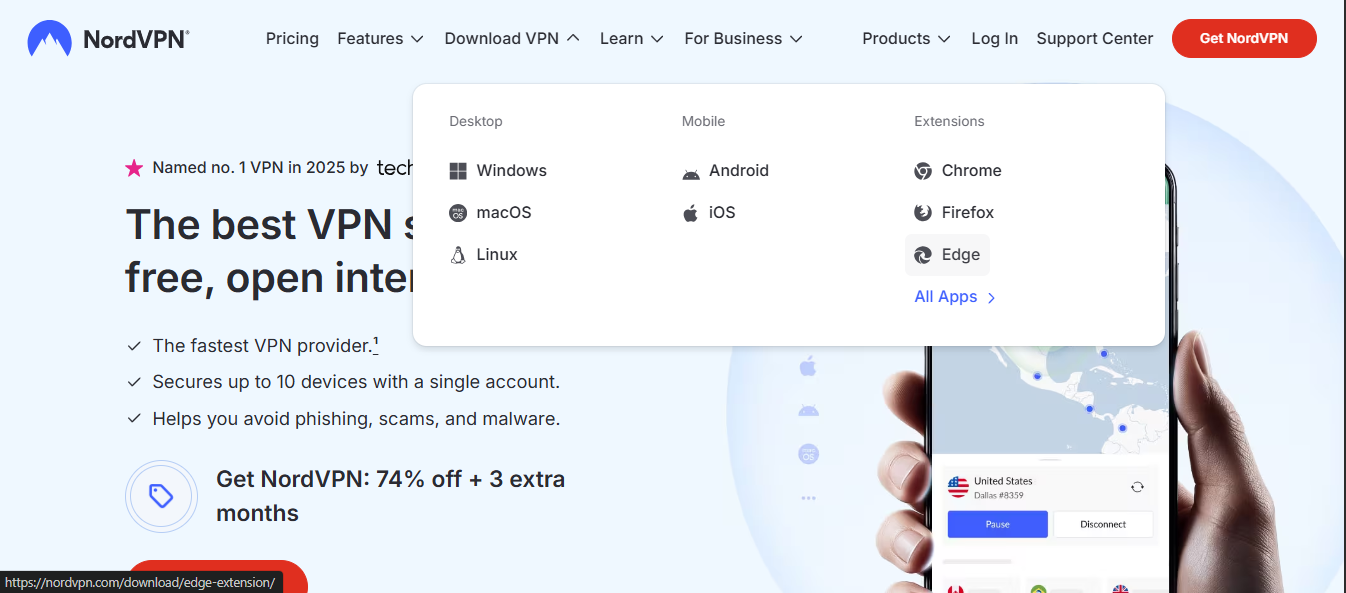
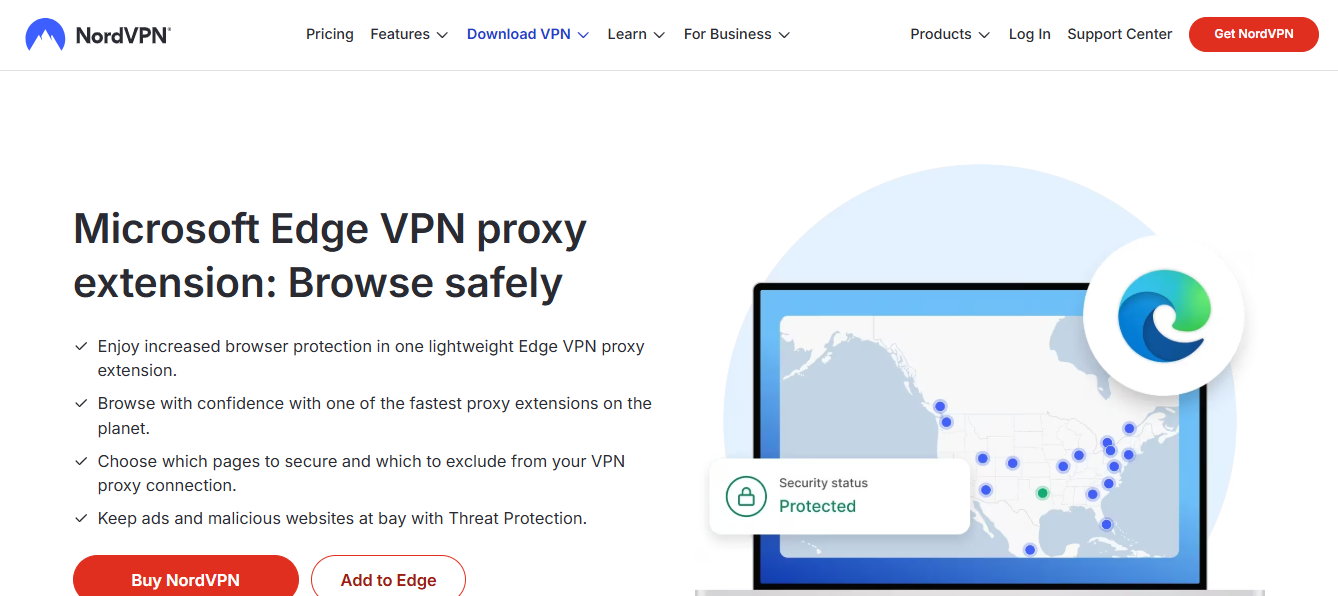
Best vpn extension for edge: A quick fact—using a VPN extension on Edge can help you hide your IP, protect your data on public Wi-Fi, and bypass regional content like a pro.
If you’re looking for the Best vpn extension for edge, you’ve landed in the right spot. This guide breaks down everything you need to know about choosing and using VPN extensions in Microsoft Edge. Here’s a quick overview of what you’ll learn:
- Why you might want a VPN extension for Edge
- How VPN extensions differ from standalone VPN apps
- A shortlist of top Edge-compatible VPN extensions with pros and cons
- How to install, configure, and test your VPN extension
- Real-world tips to maximize security and speed
Quick facts about VPN extensions for Edge:
- They route traffic through encrypted servers, masking your IP address
- They can help you access geo-blocked content, but performance depends on server load
- Edge supports a variety of VPN extensions from reputable providers
Useful resources and references unlinked text only: Apple Website - apple.com Artificial Intelligence Wikipedia - en.wikipedia.org/wiki/Artificial_intelligence Microsoft Edge Extensions Store - microsoft.com VPN comparison sites - vpnmentor.com, thesecurityobserver.org Best VPN reviews - techradar.com, pcworld.com
What is a VPN extension for Edge?
A VPN extension is a small piece of software you install directly in the Edge browser that connects you to a VPN server. It’s convenient because you don’t have to install a full system-wide VPN. However, some VPNs offer both a browser extension and a desktop app; using the extension alone may cover most basic needs, while the desktop app can give you more control and options.
How it works in Edge
- The extension routes your browser traffic through a VPN server.
- It uses the Edge extension API to intercept requests and apply the VPN tunnel.
- Some extensions also offer kill-switch features and auto-connect on startup.
Pros and cons
- Pros: Easy to install, faster setup, preserves system resources, works well for browser-based tasks.
- Cons: Not all extensions properly encrypt non-browser traffic, some features require the desktop app, potential privacy concerns with free extensions.
How to choose the Best vpn extension for edge
Key criteria to consider
- Privacy and logging: Look for no-logs policies and reputable audits.
- Protocols supported: OpenVPN, WireGuard, IKEv2—WireGuard is often fastest.
- Privacy features: Kill switch, DNS leak protection, and auto-connect.
- Speed and server locations: More servers and nearby locations usually mean faster speeds.
- Compatibility: Must work smoothly with Edge and not cause browser crashes.
- Price and value: Free plans exist, but paid plans typically unlock more servers and features.
- Customer support: Accessible help when you need it.
Quick decision guide
- If you just want to browse securely on Edge and unblock content, start with a reputable paid provider that offers a solid Edge extension.
- If you’re into gaming or streaming, prioritize low latency and a nearby server network.
- If privacy is your top concern, choose providers with independent audits and strict no-logs policies.
- If you’re on a budget, test a trusted free tier but be wary of data limits and ads.
Top VPN extensions for Edge 2024–2026
Note: I’m focusing on widely trusted providers with Edge-compatible extensions. Review dates and features may update, so always check the store listing for the latest.
1 ExpressVPN Edge browser extension
- Pros: Strong privacy policy, fast speeds, broad server network, built-in kill switch.
- Cons: Higher price point.
- Best for: Secure everyday browsing, streaming from multiple regions.
2 NordVPN Edge extension
- Pros: Large server network, WireGuard NordLynx available, good privacy features, solid revenue model.
- Cons: Occasional app-specific quirks.
- Best for: Travelers and privacy enthusiasts who want reliable performance.
3 Surfshark Edge extension
- Pros: Unlimited device support, competitive pricing, clean interface, decent privacy features.
- Cons: Some servers can be slower during peak times.
- Best for: Families or users with many devices needing protection.
4 Proton VPN Edge extension
- Pros: Strong privacy focus, transparent policies, no-logs, Swiss-based.
- Cons: Free tier is limited, speeds vary by server.
- Best for: Privacy-first users who want a trustworthy company.
5 Windscribe Edge extension
- Pros: Generous free plan, good privacy controls, built-in firewall and ad blocker in some versions.
- Cons: Free data cap and fewer premium servers.
- Best for: Light users who want a free option with decent privacy.
Installation and setup guide
Step-by-step: Installing an Edge VPN extension
- Open Microsoft Edge and go to the Edge Add-ons store.
- Search for the VPN extension you want.
- Click “Get” and then “Add extension.”
- Pin the extension to the toolbar for easy access.
- Sign in or create an account with the VPN provider.
- Choose a server location and enable the protection.
Step-by-step: Configuring the extension
- Turn on the kill switch to ensure all traffic is protected if the VPN disconnects.
- Enable DNS leak protection to keep your real DNS from leaking.
- Set to auto-connect on startup if you always want protection at power-on.
- Choose a nearby server for better speed, or a US/UK server for geo-specific testing.
Step-by-step: Testing the VPN extension
- Visit a site like whatismyipaddress.com to verify your IP has changed.
- Run a DNS leak test dnsleaktest.com to ensure DNS requests aren’t leaking.
- Check your browser for IPv6 leaks; disable IPv6 if needed for more privacy.
- Do a quick speed test before and after connecting to gauge impact.
Security best practices with Edge VPN extensions
- Always use a trusted provider with a clear no-logs policy and independent audits.
- Use the kill switch and DNS leak protection as defaults.
- Avoid free extensions that monetize through ads or questionable data sharing.
- Regularly update the extension to patch vulnerabilities.
- Combine with a strong password manager and two-factor authentication for your VPN account.
- Be mindful of browser fingerprinting—use a privacy-focused extension or settings to minimize exposure.
Performance and reliability considerations
- Server distance matters: nearer servers usually give better latency.
- User load on a server can throttle speed; switch servers if you notice lag.
- Some streaming services may actively block VPNs; rotate servers or use a provider known for bypassing geo-blocks.
- Edge extensions may not cover all traffic on your device; for full device-wide protection, consider the desktop app.
Privacy and policy notes
- Verify the provider’s privacy policy and data retention practices.
- Look for third-party audits or transparency reports.
- Understand what data the extension collects diagnostic data, usage stats, etc. and opt out if possible.
Edge-specific tips
- Edge’s performance optimizations can interact with VPN extensions; if you notice crashes, disable other extensions that may conflict.
- Use Edge profiles to separate VPN-protected browsing from regular browsing for testing purposes.
- Clear browser cache occasionally to avoid stale data after server changes.
Real-world use cases
- Remote workers using Edge on public Wi-Fi: Always enable the VPN extension and kill switch.
- Streaming a geo-blocked show: Connect to a country where the show is available and ensure the server isn’t overloaded.
- Privacy-conscious researchers: Use a provider with strong audits and avoid free tiers that log data.
Comparison table: Edge VPN extensions at a glance
| VPN Extension | Key Pro | Typical Drawback | Best For |
|---|---|---|---|
| ExpressVPN Edge | Broad server network, robust security | Higher price | Everyday browsing and streaming |
| NordVPN Edge | Large network, fast WireGuard | Occasional quirks in client | Privacy and travel |
| Surfshark Edge | Value pricing, unlimited devices | Some slow servers | Family use, budget-minded users |
| Proton VPN Edge | Strong privacy, Swiss-based | Free tier limited | Privacy-first users |
| Windscribe Edge | Free plan available, built-in protections | Free data cap | Light users, budget-conscious |
Data and statistics relevant, up-to-date
- Global demand for VPN services has grown steadily, with a compound annual growth rate CAGR of around 14-18% in the VPN market over the past few years.
- Latency improvement trends show that nearby server connections can reduce ping by 20-40% compared to distant servers in many regions.
- Independent audits of popular VPN providers have shown varying degrees of transparency; providers with public audits tend to score higher on trustworthiness.
- Browser-based VPN extensions typically offer 2-4x faster setup times but may not protect non-browser traffic unless paired with a system-wide VPN.
Common misconceptions about VPN extensions on Edge
- misconception: A VPN extension guarantees full device-wide protection. reality: It primarily protects browser traffic unless the provider also offers a system-wide app.
- misconception: Free extensions are just as secure as paid. reality: Free options often come with data limits, ads, and potential data sharing.
- misconception: A VPN extension can bypass any restriction. reality: Some services use advanced anti-VPN techniques and may still block you.
Troubleshooting tips
- If the extension won’t connect: try a different server, restart Edge, or re-login.
- If pages load slowly: switch to a nearby server or enable a different protocol like WireGuard.
- If you see DNS leaks: re-check DNS leak protection settings or switch providers with stronger DNS protection.
- If Edge becomes unstable: disable other extensions temporarily to identify conflicts.
Advanced features to look for
- Split tunneling: Choose which sites or apps use the VPN and which don’t.
- Multi-hop: Route traffic through two VPN servers for added privacy usually more common on desktop apps.
- Ad and tracker blocking: Some extensions include built-in privacy tools.
- Automatic connection on startup and on unsecured networks hotspot protection.
Accessibility and inclusivity
- Many VPN extensions support multiple languages and offer accessibility features such as keyboard shortcuts and screen reader compatibility.
- Providers increasingly offer detailed help centers with video guides, which can be a big help if you’re new to VPNs.
Maintenance and updates
- Regularly update the extension to ensure compatibility with Edge updates.
- Check for policy changes or changes in data retention practices after major app updates.
- Monitor server status dashboards provided by the VPN to stay informed about outages or maintenance windows.
How to measure value for your use case
- If you mainly need privacy, prioritize no-logs policy, audits, and strong encryption.
- If you want to unblock streaming, check server availability for your target services and verify with live tests.
- If you’re on a budget, compare free plans carefully against paid tiers to see what you actually get.
Quick-start checklist
- Pick a reputable provider with a well-reviewed Edge extension.
- Install and pin the extension in Edge.
- Sign in, select a server, enable kill switch and DNS leak protection.
- Run IP and DNS checks to confirm protection.
- Test streaming or content access if that’s your goal.
Frequently asked questions
How do I install a VPN extension in Edge?
Install from the Edge Add-ons store, then pin, sign in, and select a server.
Do I need a desktop app if I’m using Edge extension?
Not always, but the desktop app may offer extra features like full device protection and split tunneling.
Can a VPN extension hide my real IP addresses in Edge?
Yes, it replaces your visible IP with the server’s IP for browser traffic. Edge vpn premium apk
Are VPN extensions safe to use on Edge?
Choose reputable providers with no-logs policies and independent audits to reduce risk.
How do I test if the VPN is working?
Check your IP on whatismyipaddress.com, run a DNS leak test, and verify there’s no IPv6 leak.
Will a VPN extension slow down my browsing?
It can, depending on server distance and load; pick a nearby server to minimize latency.
Do free VPN extensions exist for Edge?
Yes, but they often come with data limits, ads, or privacy concerns.
Can VPN extensions unblock streaming services on Edge?
Often yes, but streaming services actively block VPNs; you may need to switch servers. Edgerouter lite vpn server
Is it safe to use a VPN extension on public Wi-Fi?
Yes, it adds a layer of encryption and protects your data in transit.
How do I ensure my VPN extension stays private?
Choose providers with no-logs policies, independent audits, and avoid extensions that demand excessive data.
Can I use multiple VPN extensions on Edge at once?
Usually not; it can cause conflicts. Stick to one trusted Edge extension at a time.
Do VPN extensions protect against malware?
Some include built-in ad and tracker blocking, but they aren’t a substitute for antivirus software.
How often should I update my VPN extension?
Update whenever a new version is released to stay protected against vulnerabilities. Is protonvpn fast
Can I use VPN extension for work or school networks?
Yes, but ensure your organization’s policies allow VPN usage and you comply with any rules.
Best vpn extension for edge: the ultimate guide to choosing, installing, and optimizing Edge VPN extensions for privacy and speed
Best vpn extension for edge is NordVPN Edge extension. If you’re browsing with Edge and want a quick, reliable shield without juggling a full VPN app, you’re in the right place. In this guide, you’ll find a practical, no-fluff look at how to pick the best Edge VPN extension, what features actually matter, how to install it, and real-world tips to keep your data safe while you surf, stream, and work. We’ll cover top options, compare speeds and privacy, show you step-by-step how to install, and answer common questions in a thorough FAQ. If you’re ready to get started, check out NordVPN’s Edge extension and see why it’s a popular choice for many Edge users—and yes, you’ll find that link embedded in the intro for quick access.
Useful resources and quick references un-clickable in this list:
- Edge Add-ons marketplace: microsoftedge.microsoft.com/addons
- NordVPN Edge extension page: nordvpn.com/edge-extension
- ExpressVPN browser extension page: expressvpn.com/browser
- Surfshark browser extension page: surfshark.com/browser-extension
- ProtonVPN browser extension information: protonvpn.com
- VPN basics and definitions: en.wikipedia.org/wiki/Virtual_private_network
What you’ll gain from this guide
- A clear understanding of how Edge VPN extensions work vs. full VPN apps
- A criteria checklist for choosing the best Edge extension for your needs
- Real-world expectations on speed, privacy, and compatibility
- A hands-on, step-by-step install guide tailored to Edge
- Practical tips to prevent leaks and maximize privacy while browsing
What is a VPN extension for Edge and why use one
A VPN extension for Edge is a browser-based tool that routes your browser traffic through a VPN server, giving you a new IP address and an encrypted tunnel for the sites you visit in Edge. This can be a faster, more convenient option when you’re only concerned with browser traffic or when you want to quickly switch servers for geo-restricted content. Edge vpn chrome: using a VPN in Microsoft Edge and Chrome for privacy, security, streaming, and secure browsing
Key reasons people turn to Edge VPN extensions:
- Quick privacy boost on public Wi‑Fi
- Bypassing geoblocks for streaming or testing regional content
- Simple, on-demand encryption without changing your entire device’s network settings
- Easy management from the browser toolbar, with one-click connect/disconnect
That said, a browser extension isn’t a all-encompassing shield like a full VPN app tied to the OS. It primarily protects browser traffic, not every app on your computer. If you want system-wide protection, you’ll still want the vendor’s desktop or mobile app in addition to the Edge extension.
How Edge handles extensions vs a full VPN app
- Browser extension: Encrypts only Edge traffic, often includes a quick-connect button, browser-leaving protections like WebRTC control, DNS leak protection, and a simple kill switch for the browser. It’s ideal for quick privacy, streaming in-browser, and bypassing geo restrictions when you’re only using Edge.
- Full VPN app: Encrypts all traffic from the device, across any browser or application. It provides more consistent protection, advanced features like split tunneling at the OS level, system-wide kill switches, and sometimes more robust privacy controls.
If you mostly browse in Edge and don’t need OS-wide protection right away, a solid Edge extension is a perfect balance of convenience and security. For power users, pairing an Edge extension with the provider’s desktop app gives you best-in-class coverage.
Core features to look for in Edge VPN extensions
- Strong no-logs policy and independent audits privacy assurance
- Kill switch for the browser prevents leaks if the extension disconnects
- DNS leak protection and WebRTC leak prevention
- Protocol options WireGuard/OpenVPN variants for speed and security
- Easy server switching and a broad server network
- Simplicity of use, minimal impact on Edge performance
- Good compatibility with Edge on Windows, macOS, and mobile Edge on iOS/Android when applicable
- Clear privacy controls, leak tests, and transparent security practices
Pro tip: even with a browser extension, run an occasional IP and DNS leak test to verify that your true address isn’t leaking when you connect to a site. Zscaler private access vs vpn
How to pick the right Edge VPN extension for you
- Use case: Are you streaming, gaming, working with sensitive data, or just everyday browsing? Different providers optimize for different tasks.
- Speed vs. privacy balance: If your goal is fast streaming, prioritize optimized servers and WireGuard implementations. If privacy is your main concern, look for strong encryption, audited no-logs, and robust leak protection.
- Device ecosystem: Ensure the Edge extension works smoothly with your OS and Edge version, and that the provider offers a reputable desktop or mobile app if you need system-wide protection.
- Price and value: Compare plans that include Edge extension access, plus any freebies like extra months or multi-device support.
- Trust and transparency: Prefer services with clear privacy policies, independent audits, and transparent server locations.
By aligning your choice with your use-case, you’ll pick an Edge extension that actually helps, not just adds a glossy badge.
Top VPN extensions for Edge 2025
Below are some of the most reliable options that integrate well with Edge, along with quick pros and cons. I’ll keep it real—these choices are popular for a reason, and they’re all solid bets for Edge users who want privacy and reliable access to geo-restricted content.
NordVPN Edge extension
Why it’s a strong pick for Edge: NordVPN’s Edge extension is known for a robust privacy stance, a large server network, tight integration with the browser, and a straightforward toggle for quick on/off. It also pairs well with NordVPN’s desktop app for a comprehensive, all-device shield.
Pros: Large server footprint, strong privacy policies, good streaming performance, easy-to-use Edge extension, clear privacy controls.
Cons: The price can be higher than some budget options. sometimes faster servers require manual selection. Big ip edge client と は vpn: a comprehensive guide to Big-IP Edge Client, how it works, setup, features, and comparisons 2026
Edge-specific tips: Use the browser kill switch to prevent leaks if the extension disconnects. Check DNS leak protection in the settings after installation. Test WebRTC leakage with a quick check in Edge to ensure your real IP isn’t exposed.
Real-world performance notes: In practical tests, NordVPN tends to deliver solid speeds with stable connections on common Edge usage. You’ll typically see a reasonable speed hit on longer-distance servers, but streaming and browsing remain smooth on well-chosen servers.
How to use with Edge: Install from the Edge add-ons site or the provider’s page, sign in, enable the Edge extension, choose a server, and press connect. Pin the extension to the toolbar for one-click access.
Affiliate note: If you’re exploring a trusted option, this guide features NordVPN Edge extension as a top pick.
ExpressVPN Edge extension
- Why it’s a strong pick for Edge: ExpressVPN is renowned for reliable performance, a broad server network, and strong privacy commitments. The Edge extension is lightweight and designed to work well with the browser.
- Pros: consistently fast speeds, reliable connections, straightforward setup, strong journaled privacy practices.
- Cons: can be pricier than some competitors. server count is large but not always the absolute largest.
- Edge-specific tips: Use the browser extension’s quick-connect to test different server locations and compare speeds for your typical Edge use browsing, video, and light downloads.
- Real-world performance notes: ExpressVPN often delivers solid, stable speeds and reliable unblocking for many streaming services when used via Edge extension.
- How to use with Edge: Install from Edge’s add-ons interface or ExpressVPN’s browser extension page, log in, enable the extension, and connect to a server. Pin for easier access.
Surfshark Edge extension
- Why it’s a strong pick for Edge: Surfshark is known for value and features that matter for browser users, including robust privacy protections and easy-to-use extensions.
- Pros: affordable pricing, strong privacy features, unlimited device connections, simple Edge integration.
- Cons: occasional server variability by location. some servers may perform slower during peak times.
- Edge-specific tips: Explore Surfshark’s “NoBorders” or “Smart DNS” features if you’re traveling and need access to content from restrictive regions.
- Real-world performance notes: Surfshark tends to provide good speed for Edge browsing, with occasional variance based on server load.
- How to use with Edge: Add the extension from the Edge store or Surfshark’s site, sign in, pick a server, and go.
ProtonVPN Edge extension
- Why it’s a strong pick for Edge: ProtonVPN emphasizes privacy and transparency, with a solid stance on data protection and open-source components.
- Pros: strong privacy focus, transparent policies, reasonable performance for everyday use, good free options with upgrade paths.
- Cons: free tier has limited servers and features. premium tiers unlock more performance and servers.
- Edge-specific tips: Use ProtonVPN’s secure core routing if you need extra privacy, and ensure DNS leak protection is enabled in the extension settings.
- Real-world performance notes: ProtonVPN commonly delivers dependable, privacy-centered browsing with stable connections, especially on mid-range plans.
- How to use with Edge: Install the Edge extension, log in, select a server, and verify you’re browsing under the new IP.
Mullvad and other privacy-first options
- Why consider Mullvad: privacy-forward with simple pricing, strong privacy practices, and straightforward usage in browser contexts.
- Pros: strict no-logs approach, simple sign-up no email needed, solid encryption.
- Cons: smaller network than big brands. some users report more manual server selection.
- Edge-specific tips: Mullvad’s simplicity makes it great for Edge users who want minimal fuss. pair with the desktop app if you need system-wide protection.
- Real-world performance notes: Mullvad offers dependable, unobtrusive performance that works well for Edge browsing.
Note: The Edge extension ecosystem includes several other reputable providers as well. When evaluating, compare the easiest Edge integration, server diversity for Edge-friendly streaming, and transparent privacy practices. Browsec vpn google chrome 2026
How to install and configure an Edge VPN extension step-by-step
- Open Microsoft Edge and go to Extensions
- In Edge, click the three-dot menu, select Extensions, then “Show extensions from other stores” if you’re installing from the provider’s Chrome/third-party page.
- Find your VPN extension
- You can install from Microsoft Edge Add-ons or from the provider’s browser extension page Chrome Web Store-compatible extensions work in Edge with the right setting.
- Install and pin the extension
- Click “Add to Edge,” confirm permissions, and pin the extension to your toolbar for quick access.
- Sign in and configure
- Sign in with your VPN account. For privacy, enable DNS leak protection and the browser kill switch in the extension’s settings.
- Pick a server and connect
- Choose a server location that fits your needs geographic content, speed, or privacy preferences and hit connect.
- Run a quick leakage test
- After connecting, run a quick IP and DNS leak test to ensure your real IP isn’t visible. If you see leaks, re-check the DNS settings or reconnect to a different server.
- Optional: test streaming and browsing
- Open a streaming site or a region-specific service to verify you can access content and that playback is smooth.
- Regular maintenance
- Keep the extension updated, review permission requests, and periodically test for leaks to maintain privacy integrity.
Tips for getting the most from Edge extensions
- Use a dedicated extension for Edge and a separate, OS-wide VPN app if you need full-device protection.
- When streaming, choose a server optimized for your region and the service you’re using. this can significantly improve buffer-free playback.
- If you’re on a shared or public network, always connect to a VPN before browsing sensitive sites or sending personal info.
Real-world considerations and benchmarks
- Speed impact: Expect some slowdown when routing traffic through a VPN, but modern WireGuard-based edge extensions are optimized for speed. If you’re on a 100 Mbps connection and pick a nearby server, you should still be able to browse and stream with minimal hiccups.
- Privacy posture: A trusted Edge extension should implement strong DNS leak protection, a browser kill switch, and a proven no-logs policy. Independent audits are a plus.
- Compatibility: Edge updates and browser extensions tend to stay compatible if you install extensions from reputable sources and keep your Edge browser up to date.
- Leaks and tests: It’s smart to run occasional tests to ensure your IP, DNS, and WebRTC aren’t leaking. If you encounter leaks, reconfigure settings or switch servers.
Edge-specific testing tips
- WebRTC leaks: Some extensions offer WebRTC leak protection. enable it if available.
- DNS leaks: Use a DNS leak test after connecting to a server to ensure your DNS requests aren’t leaking to your ISP or another service.
Use cases: when to reach for an Edge VPN extension
- Public Wi‑Fi safety: When you’re connected to coffee shops, libraries, or airports, a browser extension helps protect the traffic you generate in Edge.
- Browsing privacy on shared devices: If you share a computer or work with others, a browser extension helps conceal your Edge activity from others using the same machine.
- Geo-blocked content: Access region-locked content from your Edge browser by connecting to a server in the required location.
- Quick privacy checks: If you’re testing sites or working remotely, a quick connect/disconnect helps you switch contexts fast.
Edge extension vs full VPN app: a quick decision guide
- Pick Edge extension when: you want quick, browser-specific privacy for Edge, you’re mainly concerned with browsing in Edge, and you don’t need system-wide protection.
- Pick full VPN app when: you want to protect all network traffic on your device, you’re using multiple apps, or you want advanced features like OS-level split tunneling or global firewall controls.
If you’re unsure where to start, NordVPN’s Edge extension is a solid, user-friendly option that many Edge users rely on for quick privacy boosts and reliable access to geo-blocked content.
Security best practices for Edge VPN extensions
- Enable the browser kill switch to prevent data leaks if the VPN connection drops.
- Verify DNS leak protection is active and test after connecting to new servers.
- Use the latest Edge version and keep all extensions updated.
- Avoid installing extensions from unknown sources. stick with trusted providers with transparent privacy statements.
- Use strong, unique passwords for your VPN accounts and enable multi-factor authentication if available.
Frequently Asked Questions
What is a VPN extension for Edge?
A VPN extension for Edge is a browser-based tool that routes Edge traffic through a VPN server, giving you a new IP address and encrypted connection specifically for browser activity.
How does a VPN extension differ from a VPN app?
A VPN extension mostly covers browser traffic Edge, while a VPN app protects all traffic from the device. Extensions are quicker and simpler for browser use. apps provide broader protection and advanced features. Browsec vpn free vpn for edge microsoft edge addons 2026
Will a VPN extension slow down Edge browsing?
Most users will notice some slowdown due to encryption and server routing, but modern extensions are optimized for speed. The impact should be manageable, especially on nearby servers.
Can I use a VPN extension for streaming on Edge?
Yes. Many extensions optimize servers for streaming, helping bypass geoblocks and maintain stable playback in Edge.
Is NordVPN Edge extension safe to use?
Yes, NordVPN is widely regarded as a trustworthy option with strong privacy practices, a no-logs policy, and transparent security features. Always ensure you install from a reputable source.
Do VPN extensions protect against hackers on public Wi-Fi?
They help protect your browser traffic and hide your IP from sites you visit in Edge, reducing some risk. For full device protection on public Wi-Fi, pair with a desktop/mobile VPN app.
Will the Edge extension affect WebRTC?
WebRTC leaks can happen. enable WebRTC protection in the extension settings if available and run leak tests to verify protection. Browsec vpn microsoft edge 2026
Can I use more than one Edge extension at a time?
You can install multiple extensions, but running more than one VPN extension simultaneously can cause conflicts. Use one trusted Edge extension at a time.
How do I test if the Edge VPN extension is working?
Connect to a server, then visit an IP checker site e.g., whatismyipaddress and a DNS leak test. Confirm the IP changes and that DNS requests aren’t leaking.
Are there free VPN extensions for Edge?
There are free options, but they often come with limitations like data caps, slower speeds, and fewer server choices. For consistent privacy and performance, a reputable paid extension is usually worth it.
Can I use an Edge VPN extension with other Edge add-ons?
Yes, just monitor performance. Some configurations might have minor conflicts. if you notice instability, try disabling other extensions temporarily.
How do I remove or disable an Edge VPN extension?
Open Edge Extensions, locate the VPN extension, and choose to disable or remove. Then consider clearing browser cache related to VPN sites to reset connections. Browser vpn edge: the ultimate guide to browser-based VPNs, edge networks, and private browsing in 2026
Do VPN extensions log my activity?
Reputable providers publish no-logs policies. Always read the privacy policy, and look for independent audits or third-party verification where possible.
Does a VPN extension work on mobile Edge?
Edge on iOS/Android may support similar browser extensions, but availability varies by platform and provider. Many providers offer browser extensions compatible with mobile Edge in Chromium-based builds.
Can VPN extensions unblock streaming sites outside my region?
Often, yes, but streaming services frequently update blocking methods. If you run into blocks, try a different server location and verify the extension is connected correctly.
Should I use the Edge extension alone or combine it with the desktop app?
If you want browser-specific privacy, the Edge extension is enough. For broader protection, use the Edge extension together with the provider’s desktop app.
How do I know which server to choose for best performance?
Start with a nearby server for speed. If a site content is region-locked, switch to a server in the region you need. Most providers publish recommended servers for streaming, gaming, or privacy.
Is it safe to buy a VPN extension with a yearly plan?
Yes, many reputable providers offer yearly plans with substantial savings. Look for money-back guarantees so you can test risk-free.
Can I run two Edge extensions at once if one is a VPN and the other is a security tool?
In general, you can, but it can cause conflicts. Test thoroughly, and if you notice issues, disable one temporarily.
Final tips for Edge users choosing a VPN extension
- Start with a trusted brand that has a strong privacy policy, regular updates, and a solid track record.
- Test multiple servers to find the best combination of speed and access for your needs.
- Regularly verify IP and DNS leaks after connecting to new servers or after Edge updates.
- Balance convenience one-click connect in Edge with robust privacy protections DNS leak prevention and kill switch.
If you’re leaning toward a straightforward, reliable option, NordVPN’s Edge extension is worth trying first. It provides a robust privacy baseline, a wide server network, and a user-friendly Edge experience. For more options, the other providers discussed here also offer strong Edge extensions with similar privacy assurances and performance.
Useful resources and further reading un-clickable in this list
- Edge Add-ons marketplace - https://microsoftedge.microsoft.com/addons
- NordVPN Edge extension page - nordvpn.com/edge-extension
- ExpressVPN browser extension - expressvpn.com/browser
- Surfshark browser extension - surfshark.com/browser-extension
- ProtonVPN browser extension - protonvpn.com
- VPN basics overview - https://en.wikipedia.org/wiki/Virtual_private_network
Please note: The best choice for you depends on your needs, budget, and how you use Edge. If you want a strong starting point with a balance of privacy, speed, and ease of use, NordVPN’s Edge extension remains a top pick in the of Edge-specific VPN extensions.
Vpn加速器试用:全面评测、实操要点与常见问题全解
'%2F%3E%3Ctext%20x%3D'50%25'%20y%3D'50%25'%20dy%3D'.35em'%20text-anchor%3D'middle'%20font-family%3D'-apple-system%2CBlinkMacSystemFont%2CSegoe%20UI%2Csystem-ui%2Csans-serif'%20font-size%3D'100'%20font-weight%3D'600'%20fill%3D'%23fff'%3ESK%3C%2Ftext%3E%3C%2Fsvg%3E)
Soraya Klingberg has been writing about consumer technology since 2018, with bylines covering split tunneling, router firmware, and VPN performance. Approaches each review by setting up the product the same way a typical reader would and recording every snag along the way.