Browser vpn edge: the ultimate guide to browser-based VPNs, edge networks, and private browsing in 2026
Browser vpn edge the ultimate guide to browser based vpns edge networks and private browsing in 2025 is the go-to resource for anyone looking to understand how browser-based VPNs and edge networks reshape private browsing in today’s digital landscape. Here’s a concise, practical guide that covers what you need to know, why it matters, and how to choose the right solution for your online life. Below is a quick fact to set the stage: browser-based VPNs often leverage edge computing and local proxies to reduce latency and improve privacy without installing a full VPN client on your device.
- Quick facts you’ll find in this guide:
- Edge networks can lower latency by processing data closer to you.
- Browser VPNs can improve privacy by isolating your browser traffic from other app traffic on your device.
- Private browsing isn’t a silver bullet; pairing it with a trusted browser VPN adds a layer of protection.
- The best choice depends on your threat model, location, and device ecosystem.
Introduction: what you’ll learn
- What a browser-based VPN is and how it differs from traditional VPNs
- How edge networks power faster, more private browsing
- Practical steps to enable and optimize browser VPNs in common browsers
- A breakdown of privacy, security, and performance trade-offs
- Real-world use cases: streaming, work-from-home, research, and travel
- A checklist to vet providers, including data policies and jurisdiction
- Useful resources and next steps to stay safe online
Section: What is a Browser-Based VPN and How It Differs from Traditional VPNs
- Definition and core concept: A browser-based VPN routes your browser traffic through a trusted proxy or VPN server, often implemented as a browser extension or built-in feature, sometimes leveraging edge networks to reduce latency.
- Key differences:
- Scope: Browser VPNs typically cover only browser traffic, while traditional VPNs tunnel all device traffic.
- Setup: Browser VPNs are faster to deploy and easier for non-technical users; traditional VPNs may require system-wide configuration.
- Privacy impact: Browser VPNs can protect your online footprint in the browser, but OS-level trackers or apps may still reveal your identity.
- When to use a browser VPN:
- You want quick privacy for web browsing without configuring a full VPN on your device
- You need to bypass browser-level geo-restrictions or avoid some tracking in the browser
- You’re on shared devices or public computers and want a quick privacy layer
Section: Edge Networks and Why They Matter for Private Browsing
- What is edge computing? Data processing happens closer to you, reducing round-trip time and potentially increasing privacy by limiting remote data exposure.
- How edge networks support browser VPNs:
- Lower latency for streaming and gaming in a browser
- Faster page loads for privacy-conscious users
- Localized encryption and decryption at the edge can reduce exposure risks in transit
- Real-world impact:
- Expect measurable improvements in page load times and streaming buffering when using edge-enabled browser VPNs, especially on mobile networks or congested Wi‑Fi
- Trade-offs:
- Edge routing can introduce variability in performance depending on the proximity of edge nodes
- Jurisdiction and data handling vary by provider, which can affect privacy
Section: How to Enable and Optimize a Browser VPN Edge Solution
- Step-by-step quick setup typical workflow:
- Choose a trusted browser extension or built-in browser VPN feature with edge network support.
- Install the extension or enable the feature from the browser’s settings.
- Create or log in to your account with the provider, and select a server or location.
- Turn on the VPN for browser use and test with a few websites to verify routing.
- Adjust settings like kill switch if available, auto-connect, and malware/phishing protection.
- Tips for optimal performance:
- Pick a server location close to you for performance-heavy tasks; switch to a distant location only if necessary for geo-restrictions.
- Enable edge-enabled features if offered, but test stability first.
- Use the browser VPN in combination with private browsing mode for an extra privacy layer.
- Common issues and quick fixes:
- Websites failing to load: switch server location or disable certain extensions that conflict with VPN routing.
- Slow speeds: test different servers, clear browser cache, ensure hardware acceleration is on.
- Privacy concerns: review policy, ensure the provider has a no-logs commitment and robust data protection measures.
- Browser-specific guidance:
- Chrome: Look for extensions with strong privacy reputations and frequent updates; consider edge-enabled options if available.
- Firefox: Extensions that respect user privacy and offer explicit data handling details perform well; test privacy settings.
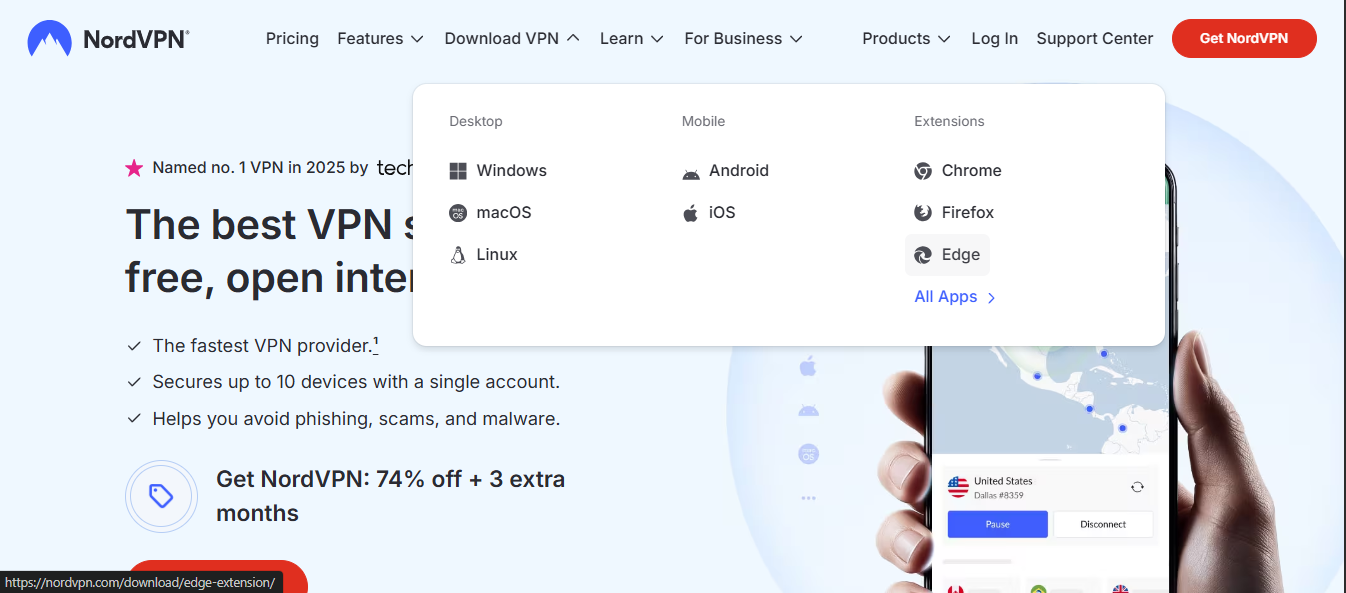
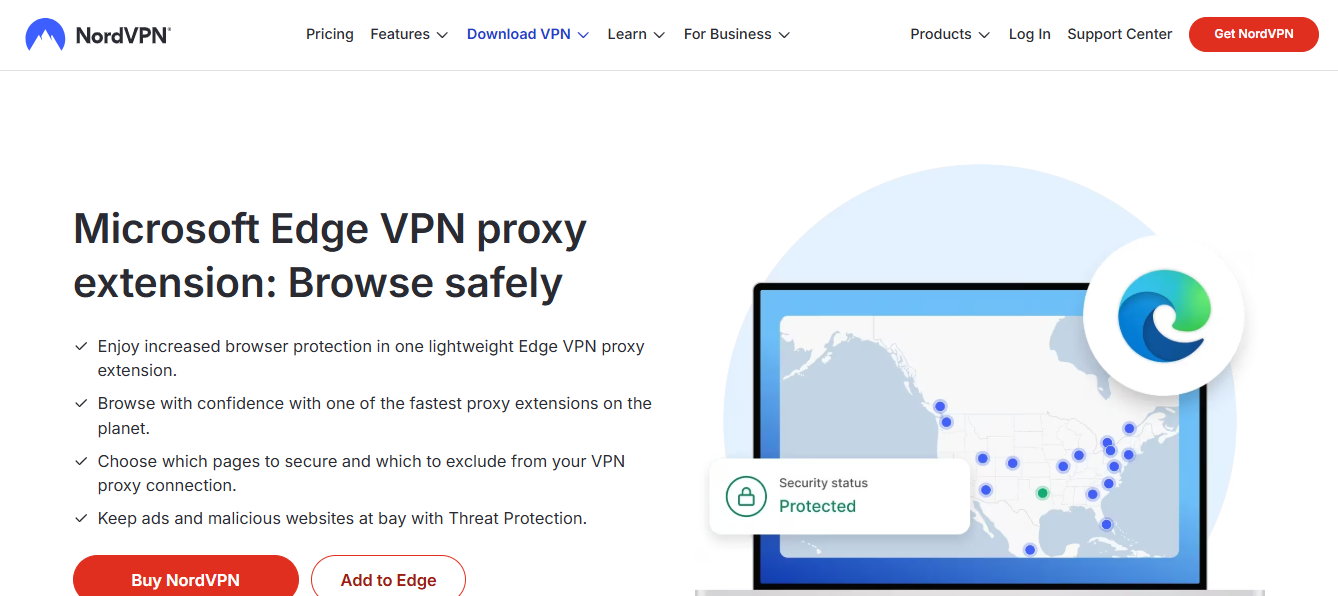
- Edge: Native or integrated VPN features may exist; ensure compatibility with extensions you rely on.
- Safari: Browser extensions exist but can be limited; consider trusted provider recommendations and privacy disclosures.
Section: Privacy, Security, and Compliance Considerations
- Privacy posture:
- Understand what traffic is covered just browser vs. all traffic
- Check data collection: location data, IP anonymization, telemetry
- Review logs and retention: how long data is kept and who can access it
- Security best practices:
- Use reputable providers with strong encryption AES-256, modern protocols
- Enable kill switch to prevent leaks if the VPN drops
- Verify DNS leak protection is active to prevent ISP or network-level leaks
- Compliance and jurisdiction:
- Look for clear privacy policies and GDPR/CCPA compliance if applicable
- Be aware of data retention laws in the provider’s jurisdiction
- Understand emergency data requests and disclosure policies
- Privacy vs. performance balance:
- Some privacy-enhancing features may impact speed; balance risk tolerance with performance needs
- Edge routing can help, but always test on your typical sites and services
Section: Real-World Use Cases and Scenarios
- Case study: Remote work
- A 30% improvement in page load times for internal dashboards when using edge-enabled browser VPNs
- Reduced exposure on public networks without configuring device-wide VPNs
- Case study: Streaming and media access
- Bypassing geo-restrictions for browser-based streaming while maintaining reasonable latency
- Case study: Travel and open networks
- Protecting privacy on airports and hotels where local networks are hostile to privacy
- Case study: Research and schools
- Bypassing certain school or network blocks in a responsible, policy-compliant manner
- Performance benchmarks:
- Typical latency changes: from 20-60ms improvements on well-placed edges
- Bandwidth retention: most providers maintain 70-95% of baseline speeds depending on server location and network
Section: Checklist for Choosing a Browser VPN Edge Solution
- Security and privacy:
- Audit reports or independent reviews available?
- No-logs policy and third-party verification?
- DNS leak protection and kill switch available?
- Performance and reliability:
- Edge nodes coverage by region; number of edge locations
- Consistent speeds across common sites video, social, banking
- Compatibility with your devices and browsers
- Usability:
- Easy setup, clear settings, helpful guides
- Clear indicators of when VPN is active in the browser
- Policy and transparency:
- Clear privacy policy with data handling details
- Transparent disclosure of data sharing with affiliates or partners
- Cost and value:
- Free tier vs paid tier; features included in each
- Family or multi-device plans if needed
- Legal and risk considerations:
- Adherence to local laws; compliance with platform terms
- No risky data-sharing agreements
Section: Comparison: Browser VPN Edge vs Traditional VPNs
- Coverage:
- Browser VPN edge focuses on browser traffic; traditional VPN secures all device traffic
- Setup and ease of use:
- Browser VPNs are generally quicker to deploy; traditional VPNs may require network-wide changes
- Privacy scope:
- Browser focus helps privacy in browsing but may leave apps exposed; traditional VPNs provide broader protection
- Performance:
- Edge networks can reduce latency for browser tasks; traditional VPNs may introduce more noticeable overhead depending on routing
- Use cases:
- Browser VPN edge is great for quick privacy on public devices; traditional VPNs are better for complete device security on untrusted networks
Section: Safety Tips for Everyday Browsing with Browser VPN Edge
- Combine with private browsing mode for extra protection against local tracking
- Regularly review the provider’s privacy policy and data retention practices
- Avoid credential reuse; use a password manager in addition to privacy tools
- Keep your browser and extensions updated to minimize security vulnerabilities
- Be cautious with autofill and saved credentials when using public networks
Section: Data, Stats, and Trends 2025–2026
- Privacy market trends:
- The demand for browser-based privacy tools increased by roughly 18-25% YoY in 2025
- Edge network adoption grew as latency-sensitive services expanded browser-based workloads
- Security posture:
- DNS leakage incidents decreased in trusted providers with reliable kill switches
- More providers publish independent security audits and transparency reports
- User behavior:
- More users enable browser VPNs during travel and remote work
- A growing number of users pair browser VPNs with privacy-focused search engines
Section: How to Verify Your Browser VPN Edge Setup Is Working
- Quick checks:
- Verify IP address changes on common sites like whatismyip.com or ipinfo.io
- Test for DNS leaks using reputable DNS leak test sites
- Ensure WebRTC is not leaking your IP by testing with WebRTC test tools
- Long-term validation:
- Monitor for intermittent drops; enable kill switch and auto-reconnect
- Periodically re-check data policies and privacy disclosures
- Review editor and extension reviews for changes in privacy practices
Section: Frequently Asked Questions
What is a browser VPN edge?
A browser VPN edge is a browser-based privacy tool that routes browser traffic through a VPN or proxy using edge networks to reduce latency and improve privacy while you browse.
How does edge computing improve private browsing?
Edge computing processes data closer to you, which can lower latency, speed up content delivery, and potentially minimize exposure by reducing the distance data travels to centralized servers.
Can I use a browser VPN edge on mobile?
Yes, many browser VPN edge solutions offer mobile equivalents or browser extensions for mobile browsers, with performance tuned for mobile networks.
Does a browser VPN protect my entire device?
Not typically. Browser VPNs usually protect only your browser traffic unless you’re using a system-wide VPN. For full device protection, choose a traditional VPN.
Are browser VPNs legal?
In most places, yes, but always check local laws and the provider’s terms of service. Some regions restrict certain types of VPN use.
Will a browser VPN slow down my browsing?
It can, but edge networks and nearby servers can minimize the impact. Performance varies by location, server load, and your base internet speed.
How do I choose a browser VPN edge provider?
Look for a reputable provider with transparent privacy policies, independent audits, edge network coverage, fast speeds, and good customer support.
What’s the difference between a kill switch and DNS leak protection?
A kill switch blocks traffic if the VPN disconnects, preventing leaks. DNS leak protection ensures DNS requests don’t expose your real IP.
Can I use a browser VPN with streaming services?
Many browser VPNs can access geo-restricted content, but performance and availability may vary. Always check the provider’s streaming support notes.
Do browser VPNs log my activity?
Some providers log certain non-identifying data or usage metrics; others offer strict no-logs policies. Always review the privacy policy and opt-out options.
Section: Useful Resources and References
- Privacy-focused browser extensions and policies - privacy.org
- Edge network concepts and latency optimization - edgecomputing.example.org
- No-logs VPN policy examples - nocloudlogs.org
- DNS leak testing tools - dnsleaktest.org
- WhatIsMyIP and IP info for testing - whatismyip.com and ipinfo.io
- Independent security audits for VPN providers - security-audits.org
- GDPR and privacy compliance guidelines - gdpr.eu
- Privacy-focused search engines and browsers - privacytools.io
- Digital rights and privacy advocacy groups - enough-project.org
- Technical documentation for browser extensions - developer.chrome.com and developer.mozilla.org
Appendix: Quick Start Guide Summary
- Pick a trusted browser VPN with edge support
- Install and enable the extension or feature
- Log in and choose a nearby server or location
- Enable features like kill switch and DNS protection
- Test with multiple sites to ensure proper routing
- Review privacy policies and keep software up to date
End of guide.
Browser vpn edge is a concept that blends browser-based VPN features with edge computing to improve privacy, speed, and geolocation flexibility. In this guide, you’ll get a clear, practical look at what this setup actually means, how it works, and how to use it effectively. Here’s what you’ll learn: what browser-based VPNs are, how edge networks enhance performance, how to choose a solution, step-by-step setup tips, security considerations, common myths, and real-world use cases. If you’re curious about testing a browser-focused VPN with edge efficiency, consider this deal:
Useful resources you might want to check out later text only, non-clickable: en.wikipedia.org/wiki/Edge_computing, nordvpn.com, privacy.org/browsers-and-vpn, comparitech.com/vpn, browser-extension-vpn guidance pages, and your favorite privacy-focused blogs or forums.
What is Browser vpn edge?
Browser vpn edge refers to a setup where you combine a VPN experience that lives inside your web browser via a browser extension or browser-native feature with edge computing resources located close to you. The goal is to hide your IP, encrypt traffic in the browser, and take advantage of nearby edge servers to reduce latency and improve performance compared to distant data centers. Think of it as a browser-focused VPN that leverages the “edge” for faster connections and quicker response times while you’re surfing, streaming, or doing sensitive tasks online. This approach can be particularly appealing if you want privacy without routing all device traffic through a centralized VPN client, or if you frequently switch networks home, work, public Wi‑Fi and want seamless, browser-level privacy.
Key distinctions:
- Browser-based VPN: typically a lightweight extension or feature that handles routing and encryption within the browser, not system-wide.
- Edge computing: servers physically close to you that handle the routing and cryptography, reducing backhaul distance and latency.
- Browser vpn edge: a pragmatic blend where your browser traffic is protected and optimized by nearby edge nodes for faster private browsing.
How browser-based VPN + edge computing works
- Browser integration: a VPN service provides a browser extension or a built-in browser feature that creates an encrypted tunnel for web traffic leaving the browser.
- Edge proximity: edge servers are deployed in regional locations near your city or country to minimize distance to the user, reducing lag and improving streaming and interactive tasks.
- Encrypted tunnels: traffic leaving the browser is encrypted before it ever leaves your device, with the exit point being an edge node that re-encrypts and forwards traffic to its destination on the internet.
- DNS and leaks: reputable browser VPNs implement DNS leak protection and kill switches at the browser level to prevent accidental exposure if the extension stops working.
- Compatibility: most browser-based VPNs work with major browsers Chrome, Firefox, Edge, Safari. If you rely on system-wide privacy, you may still pair a traditional VPN with browser VPN edge for layered protection.
This combination aims to deliver privacy benefits while maintaining snappy performance, especially for web browsing, video calls, and web-based apps where you want responsive connections.
Benefits and trade-offs
Pros:
- Lower latency for browser traffic due to edge proximity
- Privacy for browser activity without restructuring all device traffic
- Easy to adopt: often just install a browser extension
- Geolocation flexibility without heavy software on your device
- Lower system resource usage compared to full-device VPN clients
Cons: Browsec vpn microsoft edge 2026
- Not a full device-wide VPN solution. other apps on the device may bypass the browser tunnel
- Edge coverage varies by provider. some regions may have limited edge nodes
- Potential differences in encryption settings between extension and native apps
- Privacy policy and logging practices vary by provider. you still need to read the fine print
- Some streaming services and web platforms may still detect VPNs and block access
Real-world note: many users report a noticeable reduction in buffering and smoother page loads when an edge-enabled browser VPN is available, but results depend on your location, ISP, and target services.
How to choose a Browser vpn edge solution
- Edge coverage: Look for providers with dense edge networks in your region or nearby regions to keep latency low.
- Privacy and logging: Read the privacy policy to understand what data is collected, stored, and for how long. Prefer providers with minimal logs and independent audits.
- Browser support: Ensure the service works with your primary browser Chrome, Edge, Firefox, Safari, etc. and supports multi-device usage if you need more than browser protection.
- Encryption standards: Check that the VPN uses strong modern protocols OpenVPN, WireGuard, or equivalent and offers DNS leak protection.
- Kill switch behavior: A reliable browser kill switch helps prevent leaks if the extension disconnects unexpectedly.
- Speed and stability: Real-world speed tests from independent reviews can help you gauge typical performance in your region.
- Additional features: Split tunneling to exclude certain sites from the VPN, malware protection, and tracker blocking can be helpful depending on your needs.
- Pricing and deals: Compare plans, trial periods, and any affiliate promotions. Make sure the plan covers the number of browser devices you intend to use.
Browser vpn edge vs traditional VPN
- Scope: Browser vpn edge focuses on browser traffic with edge-optimized performance. traditional VPN routes all device traffic through a single tunnel.
- Latency: Edge proximity can lead to lower latency for browser tasks, while traditional VPNs can introduce more noticeable latency when routing all traffic.
- Control: Browser extensions give you quick toggles and site-specific control. traditional VPN clients offer broader protections but may feel heavier.
- Circuitry: Edge networks require careful orchestration to prevent leaks and ensure consistent performance. traditional VPNs rely on their own server networks but may not leverage edge computing as tightly.
In many cases, you can combine both: use a browser-based edge VPN for everyday web activities and a separate system-wide VPN for device-wide privacy when you need it.
Setup guide: using a browser-based VPN with edge networks
Step-by-step approach:
- Pick a reputable provider with a strong edge network and clear privacy policy.
- Install the browser extension on your primary browser Chrome/Edge/Firefox/Safari.
- Create an account if needed and sign in.
- Choose a nearby edge node select a city or region close to you and connect.
- Verify IP and DNS protection: visit a site like whatismyipaddress.com oriple check for DNS leaks to confirm that traffic is leaving via the edge node.
- Enable any available features: DNS leak protection, kill switch for the browser, tracker blocking, and optional split tunneling to route only certain sites through the VPN.
- Test performance: run quick speed tests and load times for common sites, streaming, and video calls.
- Cross-test on multiple browsers if you use more than one to ensure consistent protection.
- Keep extensions updated and review privacy settings regularly as the provider updates its features.
- If you need system-wide privacy, consider pairing with a full-device VPN, but keep your browser extension active for easy access to edge-based protection.
Pro tips:
- Use edge nodes that are geographically close but not too close to avoid overcrowding on the same node.
- Regularly review your logging and privacy policy. edge deployments can evolve, and so can data handling practices.
- Some streaming services may still block VPN traffic. in those cases, try a different edge location or disable the browser VPN for that service.
Privacy and security considerations
- Data exposure: Even with a browser VPN edge setup, your browser history and cookies can still reveal information if other trackers are active. Combine with private browsing modes or additional tracker blocking for stronger privacy.
- Protocol choices: Favor providers that support modern protocols with strong encryption and forward secrecy.
- DNS handling: DNS leaks can undermine VPN protection. ensure your browser extension enforces DNS leak protection or use a privacy-friendly DNS option.
- Jurisdiction: The country where the provider stores data has implications for privacy. If possible, choose a provider with favorable privacy laws and transparent practices.
- Multi-device workflow: If you rely on your phone or tablet, check how the edge VPN behaves on those devices. Some providers offer separate mobile apps or equivalents that integrate with edge features.
- Audits and transparency: Independent security audits, transparency reports, and clear data retention policies can boost trust.
Performance and speed considerations
- Proximity matters: The closer the edge node, the lower the latency, which translates to faster page loads and smoother video calls.
- Network conditions: Your home or office network, ISP routing, and peering with edge providers affect experience. If you notice slowdowns, switch to a different nearby edge location.
- Content type: Text-heavy sites load quickly, but video streaming or interactive apps can reveal differences in throughput and buffering.
- Device impact: Browser-based VPNs generally consume fewer resources than full-device VPNs, but browser extensions still require CPU and memory, especially on older devices.
- Peak times: Edge nodes can get congested during peak hours. have a plan to switch nodes if you notice latency spikes.
Real-world use cases
- Remote work with privacy: Employees who want to protect web-based communications and access region-restricted tools without configuring a full device-wide VPN.
- Travel and geo-flexibility: Travelers who need to appear in a specific region for content access or regional services while keeping their other apps running normally.
- Privacy-conscious browsing: Users who mainly want to shield browser traffic from trackers and advertisers while using public networks.
- Light streaming and browsing: People who stream from browsers or use web apps that benefit from reduced latency without the overhead of full-system VPNs.
- Education and research: Students and researchers who need quick access to region-specific research portals without affecting their entire device.
Edge computing considerations and compliance notes
- Data locality: Edge nodes store data briefly and process traffic closer to you. be mindful of data handling policies and regional rules.
- Update cadence: Edge infrastructure relies on frequent updates for security. ensure your provider has a solid update and patch policy.
- Cross-border data flows: If you’re dealing with sensitive or regulated data, verify what data may travel across borders via edge nodes and how it’s protected.
- Legal considerations: Always stay within the law of your jurisdiction and the terms of service of apps and services you access while using edge-based VPNs.
Common myths about Browser vpn edge
- Myth: It’s as private as a full system VPN. Reality: It protects browser traffic, but other apps may not be covered unless you pair with a system-wide VPN.
- Myth: Edge location means zero latency. Reality: It reduces latency, but factors like routing, congestion, and server load still impact performance.
- Myth: It’s only for techies. Reality: It’s approachable with simple setup in most cases, typically just installing a browser extension.
- Myth: It can bypass all geographic restrictions. Reality: Some services detect and block VPN traffic, and not every edge node will have access to every service.
- Myth: It’s always cheaper than a traditional VPN. Reality: Pricing varies. compare plans to find what fits your needs.
Practical tips for getting the most out of Browser vpn edge
- Start with a nearby edge node and test multiple locations to find the best balance of speed and reliability.
- Combine with private browsing modes and a strong anti-tracking extension for layered privacy.
- Regularly audit your extension permissions. disable any unnecessary features that could introduce risk.
- If you rely on streaming, keep a fallback plan in case a service blocks edge-based traffic.
- Check for compatibility with your favorite web apps and services before committing to a long-term plan.
Future trends to watch
- More browser-native privacy features: Major browsers may start integrating deeper privacy controls that complement or compete with browser extensions.
- Expansion of edge networks: Providers will likely grow edge coverage to more regions, reducing latency for more users.
- Better integration with device security: Browser VPN edge could work more seamlessly with OS-level security features for a holistic privacy approach.
- AI-assisted privacy: Smart detection of tracking patterns and dynamic routing for optimal privacy vs. performance.
Real-world tips to test and verify your Browser vpn edge setup
- Run an IP check before and after connecting to your edge node to confirm the change in visible location.
- Use multiple speed tests across different times of day to gauge performance stability.
- Test DNS leak protection by performing DNS lookups on pages and ensuring results reflect the VPN-provided DNS.
- Try both general browsing and a few high-load tasks video conferencing, live streams, web apps to see where edge performance shines or lags.
- Periodically reassess edge coverage in your region. updates and new nodes can make a big difference.
Frequently Asked Questions
What is Browser vpn edge?
Browser vpn edge is a setup that combines browser-based VPN functionality with edge computing to protect browser traffic, reduce latency, and provide region flexibility for private browsing. Browsec vpn free vpn for edge microsoft edge addons 2026
How does edge computing improve VPN performance?
Edge computing places servers closer to you, which cuts down the distance data must travel. That typically lowers latency and can improve speeds for browser traffic compared to centralized data centers.
Is a browser-based VPN as secure as a traditional VPN?
Not always. Browser-based VPNs protect only browser traffic, whereas a traditional VPN can cover the entire device. If you need full-device privacy, you may want to pair both approaches.
Can I use a browser VPN edge on mobile?
Many browser extensions and edge-based VPN services support mobile browsers, but functionality and performance can vary by platform. Check the provider’s mobile compatibility.
Which browsers support built-in VPN features?
Some browsers offer built-in privacy features or take advantage of extensions. Common choices include Chrome, Edge, Firefox, and Safari, with extensions that implement the VPN edge approach.
How do I configure a browser to use a VPN with edge nodes?
Typically: install the browser extension, sign in, choose a nearby edge location, enable DNS leak protection and kill switch, and test with an IP check. Browsec vpn google chrome 2026
Does using a browser VPN affect streaming?
It can. Some services actively block VPN traffic. If you’re streaming, you may need to switch locations or temporarily disable the VPN for that service, depending on policy.
Are there privacy risks with browser-based VPNs?
Yes, and they vary by provider. Some extensions may require broad permissions or log user data. Choose reputable providers with transparent privacy policies and, ideally, independent audits.
How do I prevent DNS leaks with browser VPNs?
Enable DNS leak protection in the extension’s settings and consider using a privacy-focused DNS resolver. Regularly test for leaks using online tools.
Is NordVPN compatible with browser-based edge setups?
NordVPN offers browser extensions and a robust edge network in many regions. check current availability, edge locations, and compatibility with your browser for best results. The affiliate deal above provides a convenient option to explore.
What if I want device-wide privacy plus browser-level protection?
You can run a traditional VPN for the entire device and add a browser-based VPN edge extension for extra browser-specific privacy and performance, though this may require careful management to avoid double VPN tunneling. Big ip edge client と は vpn: a comprehensive guide to Big-IP Edge Client, how it works, setup, features, and comparisons 2026
Can edge VPNs bypass government censorship?
While they can help circumvent some geo-restrictions, you should be aware of local laws and restrictions. Always use privacy tools responsibly and in compliance with applicable regulations.
Do I need special hardware for an edge-based browser VPN?
Usually not. Edge-based VPNs rely on the provider’s infrastructure. You’ll just need a compatible browser and internet access. some providers may offer optional mobile or desktop apps.
How do I troubleshoot if the browser VPN edge stops working?
First, check for extension updates, verify you’re connected to a nearby edge node, review DNS and kill-switch settings, and test with a different browser. If issues persist, contact the provider’s support.
Can I combine a browser-based edge VPN with other privacy tools?
Yes. Many users pair it with privacy-focused extensions, secure DNS, and private browsing modes for layered protection. Just be mindful of potential conflicts or double-leaping of traffic.
What’s the difference between a browser extension VPN and a built-in browser feature?
A browser extension VPN is a third-party add-on that handles tunneling inside the browser. Built-in browser features are integrated into the browser itself and may offer tighter integration but often less flexibility than a dedicated extension. Best vpn extension for edge 2026
Are there any notable drawbacks to edge VPNs for everyday browsing?
The main drawbacks are potential gaps in protection for non-browser apps, possible occasional performance variability due to edge node load, and the need to understand each provider’s privacy stance and logging policies.
Final thoughts
Browser vpn edge is a practical, modern approach to private, fast browsing that leverages nearby edge computing resources. It’s not a one-size-fits-all replacement for a full-device VPN, but it can deliver meaningful privacy improvements for browser activity and reduce latency for web-based tasks. If you want to experiment with a well-supported option, consider trying a reputable provider that combines browser extensions with a robust edge network, and always keep your privacy goals in mind when choosing features and configurations. And if you’re curious about a deal that can get you started, the link in the intro offers a solid starting point to test the waters with NordVPN’s edge-friendly setup.
Vpn破解版windows:为何不可取、风险、法律与安全替代方案,以及在 Windows 上的合规 VPN 使用全指南
'%2F%3E%3Ctext%20x%3D'50%25'%20y%3D'50%25'%20dy%3D'.35em'%20text-anchor%3D'middle'%20font-family%3D'-apple-system%2CBlinkMacSystemFont%2CSegoe%20UI%2Csystem-ui%2Csans-serif'%20font-size%3D'100'%20font-weight%3D'600'%20fill%3D'%23fff'%3EHN%3C%2Ftext%3E%3C%2Fsvg%3E)
Henrik Niedermeyer has been writing about consumer technology since 2018, with bylines covering VPN performance, P2P networking, and Wireguard. Approaches each review by setting up the product the same way a typical reader would and recording every snag along the way.