Edge vpn for free: how to get legitimate free access, free trials, and no-cost options for private browsing 2026
Edge vpn for free how to get legitimate free access free trials and no cost options for private browsing is a hot topic for privacy-minded folks who want to browse without paying a dime. Quick fact: there are legitimate ways to test VPNs and enjoy private browsing without breaking the bank, including free trials, limited free plans, and legitimate promo options. This guide breaks down practical options, honest pros and cons, and security tips to help you stay safe while you explore Edge VPN and related private browsing tools.
- Quick fact: You can access legitimate free trials or no-cost options for private browsing without compromising your data.
- In this guide, you’ll find:
- A practical overview of free Edge VPN options, free trials, and no-cost privacy tools
- A clear comparison of features, limits, and security trade-offs
- Step-by-step how-tos for getting legitimate free access
- Tips to maximize privacy on a budget
Useful resources and URLs text only
- Edge Browser official site - microsoft.com
- VPN review sites - example.com
- Privacy.org general guidelines - privacy.org
- Free trial policy pages - vendor-specific
- Cybersecurity best practices - cisa.gov
- Browser privacy settings guides - support.google.com
- Anonymity and encryption basics - en.wikipedia.org
- Free privacy tools list - alternativeto.net
- Data breach prevention tips - staysafeonline.org
Understanding Edge VPN and Private Browsing: Quick Overview
- What is Edge VPN? In practice, Microsoft Edge integrates with Windows’ built-in VPN support and can connect to third-party VPN services. You don’t get a VPN by default from Edge alone; you use a VPN app or Windows’ VPN settings to route traffic.
- Private browsing vs. VPN: Private browsing or incognito mode stops local history, cookies, and cache on your device, but it doesn’t mask your IP or encrypt traffic. A VPN encrypts traffic and hides your IP from websites and ISPs.
Key concepts to know
- IP masking vs. encryption: VPNs route traffic through a server and encrypt it, while private browsing focuses on local privacy.
- Free trials: Many reputable VPN providers offer 7-30 day trials with money-back guarantees.
- Free plans: Some services offer limited free data or limited server choices.
How to Get Legitimate Free Access: Step-by-Step
- Use free trial VPNs with money-back guarantees
- Sign up for a trial period, test the service, then cancel before charges.
- Pros: Full encryption, multiple server locations, robust privacy features.
- Cons: Limited time, possible device restrictions, automatic renewal trap if you forget to cancel.
- Look for reputable free plans with data caps
- Some services offer free tiers with monthly data caps e.g., 500 MB to several GB.
- Pros: No payment required.
- Cons: Data limits, slower speeds, fewer servers.
- Example approach: Start with a reputable service’s free tier to test compatibility on your devices.
- Bundle-free limited-time promotions
- Vendors occasionally run limited-time promotions or student/educator discounts that effectively give you extended free access.
- Pro tip: Subscribe to newsletters or follow official social channels to catch deals.
- Use trial credits via tech programs or bundles
- Some platform bundles e.g., device manufacturers, software suites include trial VPN credits.
- Pros: Free access without dedicated payments.
- Cons: May require buying a product or service first.
- Leverage free private browsing tools in browsers
- Edge and other browsers offer built-in privacy features:
- In Edge, use InPrivate browsing to minimize local data.
- Clear cookies and site data after sessions.
- Edge and other browsers offer built-in privacy features:
- Free and open-source options
- Some open-source VPN solutions offer no-cost services with transparent privacy policies.
- Pros: Transparency, community reviews.
- Cons: May require more setup and technical familiarity.
Safety and Privacy Considerations
- Always verify reputable sources: Stick to well-known VPN providers with clear privacy policies and a track record of security audits.
- Data logging policies matter: Look for “no-logs” guarantees and independent audits.
- Encryption standards: Ensure the provider uses strong protocols OpenVPN, WireGuard and modern ciphers.
- Jurisdiction: Be aware where the provider operates; some regions have stricter data retention laws.
- Avoid shady “free VPN” services: Some free VPNs monetize data or inject ads, which defeats privacy goals.
Edge VPN: Practical Tips for Private Browsing on a Budget
- Pair Edge private browsing with a reputable trial: Use InPrivate mode for sensitive sessions and a VPN trial to hide traffic.
- Test streaming access carefully: Some free trials unlock streaming, but many block it or throttle speeds.
- Browser fingerprinting: Even with a VPN, websites may track you via device/browser fingerprint. Use privacy-minded extensions and keep Edge updated.
- Every session matters: When using a VPN, connect to a server near your location to reduce latency; switch servers if performance drops.
- Data caps enforcement: If you hit data caps quickly, plan your usage—reserve VPN for essential privacy moments, not all browsing.
Comparison: Free, Legitimate Options vs. Paid Plans
| Option | How it works | Pros | Cons | Ideal for |
|---|---|---|---|---|
| Free trial VPN | 7–30 days, full features | Full encryption, access to multiple servers | Time-limited, must cancel to avoid charges | Short-term needs, testing service |
| Free plan data caps | Limited data per month | No cost, easy start | Data caps, fewer servers | Light browsing, occasional use |
| Promo bundles | Included with device or service | Free extended access | Availability is sporadic | Budget-conscious buyers |
| Open-source VPN | Community-driven, no paywall | Transparency, customization | Setup complexity | Tech-savvy users |
| Built-in browser privacy | Edge InPrivate, cookie controls | Quick privacy on-device | Doesn’t hide IP, not a VPN | Daily privacy for casual users |
Real-World Scenarios: When a Free Edge VPN Offer Makes Sense
- Student researching abroad: A free trial for a month gives access to location-based content and safe browsing on campus networks.
- Remote worker with privacy concerns: Use a free trial to route sensitive work traffic securely for a limited period.
- Occasional streamer or traveler: Data-limited free plans can cover short trips or weekend browsing with added privacy.
How to Avoid Common Pitfalls
- Don’t ignore the renewal reminder: If you forget to cancel, you may be charged automatically.
- Beware “lifetime” free VPNs: They often monetize data or show ads; you’re not truly private.
- Check for leaks: Use DNS leak tests and IP checks after connecting to a VPN.
- Update regularly: VPN apps and browser security patches matter for ongoing privacy.
Best Practices for Using Edge and Free VPNs
- Combine Edge’s privacy features with a trusted VPN trial for layered privacy.
- Use strong authentication: Enable 2FA on your VPN account when available.
- Disable WebRTC leaks in your browser if the VPN doesn’t handle it well.
- Regularly review permissions: Some extensions request more data than needed.
Quick Setup Guide: Edge VPN with Free Trials
- Pick a reputable VPN with a clear free trial policy.
- Create an account and verify your email.
- Install the VPN app on your device Windows, macOS, iOS, Android.
- Start with the trial, choosing a nearby server for speed testing.
- Test essential tasks: browsing, streaming, file downloads, and sensitive work tasks.
- If you like it, decide on a paid plan or cancel before the trial ends.
- Clear Edge InPrivate data after use if privacy is a concern.
Metrics and Data to Consider
- VPN server count: More servers means better reliability and less congestion.
- Protocol support: OpenVPN, WireGuard, IKEv2 are common; WireGuard is typically fastest.
- Kill switch presence: Prevents data leaks if the VPN drops.
- DNS and WebRTC leak protection: Essential for true privacy.
What to Look for in a Legitimate Free Edge VPN Trial
- Transparent privacy policy: Clear about data collection and retention.
- Independent audits: Third-party audits boost trust.
- No hidden fees: Ensure you won’t be charged unexpectedly.
- Good customer support: Responsive help for setup issues.
Data Privacy and Legal Considerations
- Know local laws: Some regions have restrictions on VPN usage or data retention laws.
- Respect terms of service: Using VPNs to circumvent geo-restrictions may violate service agreements.
- Safe handling of credentials: Use unique passwords and avoid reusing credentials.
User Experience: Common Pain Points and Solutions
- Slow speeds on free plans: Try selecting the nearest server, disable bandwidth-heavy apps, or switch times to off-peak.
- App compatibility: Some VPNs don’t play well with Edge; test different providers that support Windows and Edge integration.
- Data limits: Plan content around lightweight activities to maximize free data.
Alternatives to Edge VPN for Free Private Browsing
- Built-in privacy features in Edge: InPrivate windows, tracking protection, and cookies controls.
- Browser-based VPN extensions: Some reputable extensions offer added privacy with modest trade-offs.
- Tor Browser: Provides strong anonymity but slower speeds; can be used for sensitive browsing.
- Private search engines: Use privacy-focused search options to reduce profiling.
Expert Tips for Staying Safe Online on a Budget
- Combine multiple privacy layers: Use a VPN for traffic protection and InPrivate or private browsing for local privacy.
- Read privacy policies carefully: Look for explicit no-logs statements and data handling practices.
- Be mindful of phishing and fake promos: Only trust official provider pages for free trials.
- Keep devices updated: Security patches close potential vulnerabilities.
Frequently Asked Questions
What is Edge VPN and how does it relate to free private browsing?
Edge VPN refers to using Edge with a VPN service or Edge’s privacy features. Free private browsing includes features like InPrivate mode and privacy settings, while a VPN provides encryption and IP masking.
Can I get a legitimate free VPN trial without providing payment details?
Some providers offer trials that require no payment details, but many require a card for easy cancellation. Always check the terms.
Are free VPNs safe to use for streaming?
Some free plans allow streaming, but many limit speed and data. For reliable streaming privacy, a reputable paid plan with a trial can be a better option.
What should I check before signing up for a free VPN trial?
Privacy policy, data handling, server locations, device compatibility, and refund or cancellation terms.
Do I need a VPN if I already use Edge InPrivate browsing?
InPrivate helps local privacy on your device. A VPN adds encryption and hides your activity from websites and your ISP. Edge vpn cbic: Edge VPN CBIC setup, Edge browser integration, privacy, security, performance, and compliance guide 2026
How can I test a VPN without committing to a paid plan?
Use a free trial with a money-back guarantee or a reputable free tier to test performance, then cancel if it isn’t a fit.
Are there legitimate free VPNs with no data caps?
Some providers offer free tiers, but data caps are common. Look for reputable names and read the terms carefully.
What about browser fingerprinting? Can a VPN stop it?
A VPN hides your IP but not fingerprinting. Use privacy tools and reduce fingerprinting vectors to improve anonymity.
Is it safe to use public Wi-Fi with a VPN?
Yes, a VPN encrypts traffic on public networks, offering better security, but you should still practice good device security.
How do I know if a VPN is logging my data?
Check the privacy policy, look for independent audits, and search for user reviews or third-party tests that verify no-logs claims. Edge nordvpn extension: complete setup guide for Edge browser, features, security tips, and optimization 2026
Can I use Edge’s privacy features with a VPN on mobile?
Yes, many VPNs offer mobile apps, and Edge privacy features work on mobile browsers too. Ensure you configure settings correctly on each platform.
What should I do if I suspect a VPN is leaking my data?
Run DNS and IP checks, contact support, and consider switching to a more trusted provider with better leak protection.
How long should I test a VPN before deciding?
Give it at least a week of regular use to assess speed, reliability, and privacy protections.
Are VPNs legal in all countries?
VPN legality varies. In some places, usage is restricted or regulated. Always understand local laws before using a VPN.
Can I share my free VPN trial with a family member?
Most trials are tied to an account or device; check the provider’s terms to see if sharing is allowed. Edge secure network vpn free 2026
How do I cancel a free VPN trial to avoid charges?
Go to the account settings, cancel the plan before the trial ends, and confirm cancellation via any follow-up emails.
What is the difference between InPrivate browsing and using a VPN?
InPrivate hides local browsing data; a VPN hides your traffic and IP from remote servers. They complement each other for privacy.
Do free VPNs have faster speeds than paid options?
Generally not; paid plans usually offer better speeds, more servers, and fewer data restrictions. Free plans may be slower or congested.
How can I maximize privacy on a budget without a VPN?
Use Edge InPrivate mode, adjust privacy settings, block third-party cookies, use privacy-focused search engines, and consider a reputable free VPN trial when needed.
Yes, Edge vpn for free is possible through legitimate free-tier plans and trials from reputable providers. In this guide, you’ll learn what “free” really means for VPNs, which options deliver usable protection without paying, how to set up Edge-friendly privacy with a free plan, and when it’s worth upgrading. We’ll also cover security considerations, practical setup steps for Windows and Edge, and real-world tips to keep your data safe online. If you’re curious about premium options with risk-free trial periods, you’ll also find a quick note on where to start and a special offer you can check out below. Download urban vpn for edge 2026
Useful resources and offers you might want to check out include general VPN information and setup guides, plus a few widely used free options. For convenience, I’ve included a promotional link here that’s commonly shared in VPN content. NordVPN’s offer is often featured with a free trial or substantial discount, and you can explore it via the image link below to see if it fits your needs:
What “free” VPN means in practice
- Free tiers vs paid plans: Free tiers typically come with data caps, fewer server locations, and slower speeds. They’re great for testing the water or occasional privacy checks, but they’re not a substitute for a paid plan if you want reliable streaming, gaming latency, or strong privacy with zero-logs guarantees.
- Time-limited trials: Some premium VPNs offer 7-30 day trials or money-back guarantees. You can test features like kill switch, device support, and P2P compatibility to see if the paid tier is worth it.
- Freemium models: A few providers offer limited free data per month, which can be enough for light browsing on Edge, but you’ll likely hit caps quickly if you stream video or download large files.
Top free VPN options that work with Edge Windows and Edge extension-friendly
- Proton VPN Free: No data limit in theory, but speeds can be constrained and only a few servers are available on the free tier. Great for basic privacy and email checking on Edge.
- Windscribe Free: Generous data cap often around 10 GB with an extra boost for social sharing and a reasonable server selection. Works via Windows app and Edge extension.
- TunnelBear Free: A simple, beginner-friendly option with monthly data caps usually around 500 MB, with occasional promos for more. Works well for quick Edge browsing sessions.
- Hide.me Free: Solid privacy options with reasonable data caps and a decent number of servers on the free plan. Works through app and browser extension.
- Atlas VPN Free: A straightforward free tier with modest data allowances and a smaller server footprint, suitable for light Edge usage. Note: Free plans vary by region and change over time. Always verify current limits, speeds, and server access before relying on a free option for important tasks.
Edge-specific setup tips: Edge browser, Windows app, and extensions
- Using a Windows VPN app: Most major VPNs offer Windows desktop apps. Installing the app gives you system-wide VPN protection, which also covers Edge traffic. This is the simplest path to ensure all Edge activity is routed through the VPN.
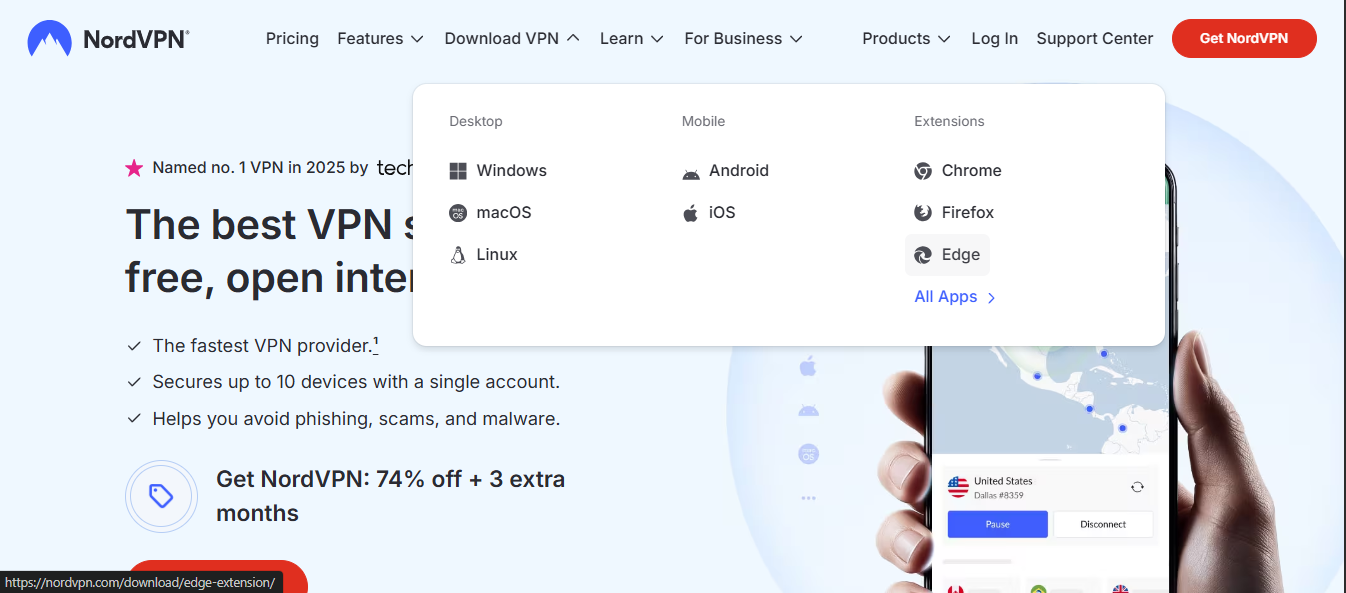
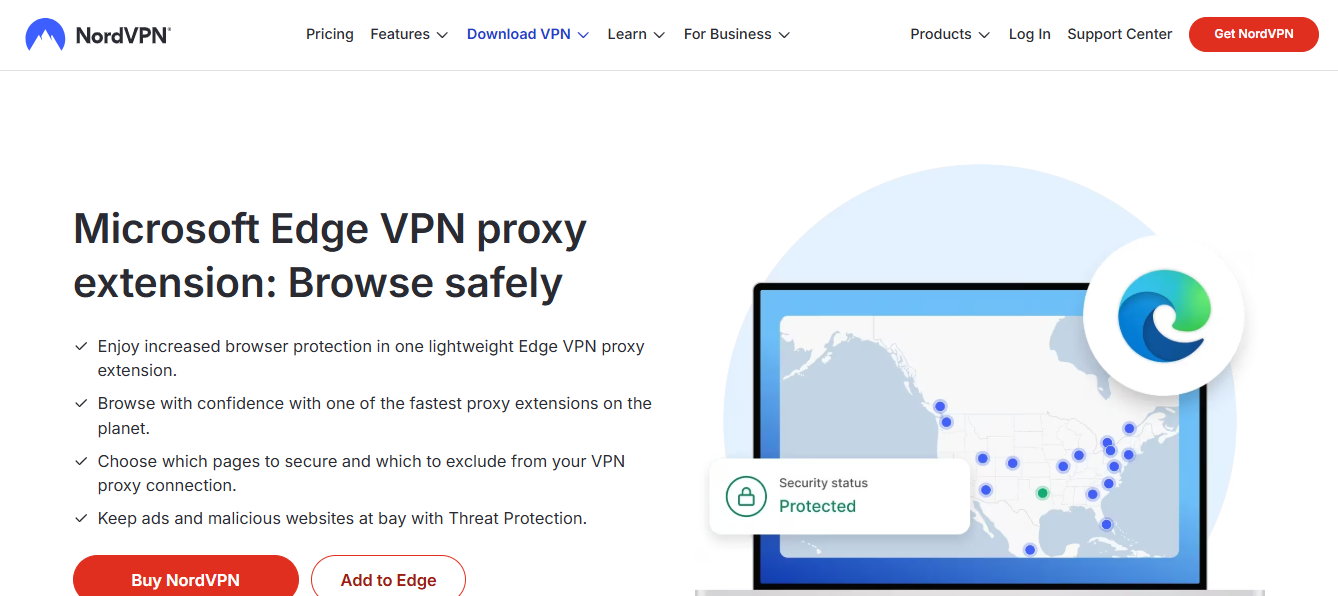
- Edge browser extensions: Some providers offer Edge-compatible extensions Chrome Web Store extensions often work in Edge. Extensions can give you quick control over VPN connections and specific server choices, though they may not provide the same kill-switch or DNS leak protections as a full app.
- Manual setup for Edge: If you’re using a free Windows VPN without a dedicated app, you can configure a VPN connection in Windows settings VPN > Add a VPN connection and then select the server. This protects Edge traffic as long as the VPN connection is active.
Step-by-step guide to get Edge vpn for free on Windows Disable vpn chrome how to disable vpn extensions in Chrome and manage browser VPN settings 2026
- Pick a free-tier VPN that supports Windows apps or extensions you trust Proton VPN Free or Windscribe Free are common starting points.
- Sign up for the free plan and download the Windows client or install the Edge extension as appropriate.
- Install the app and complete any onboarding prompts permissions, encryption settings, kill switch options.
- Choose a server location available on the free tier and connect.
- Open Edge and test your IP address and location with a quick check search “What is my IP” or use a site like ipinfo.io.
- If you plan to switch to a paid plan later, take note of the upgrade path, current promotions, and refund windows.
- To ensure privacy, enable DNS leak protection and a kill switch in the app settings if available.
- Regularly check for updates and keep the VPN app updated to maintain privacy protections.
Security and privacy basics you should know
- Encryption and privacy: Reputable VPNs on free tiers typically use strong encryption AES-256 and a VPN protocol like OpenVPN or WireGuard. Free plans may restrict protocol choices. verify what your chosen provider offers.
- Logging policies: Free VPNs can log some data. Look for providers with clear no-logs claims, even on the free tier, and read their privacy policy to understand what is stored and for how long.
- Kill switch and DNS protection: A kill switch prevents data leaks if the VPN drops. DNS leak protection prevents your real DNS from showing up in tests. These features are crucial for edge-case privacy exposure.
- Ads and data usage: Some free VPNs show ads or inject tracking to subsidize the free tier. Stick to providers with transparent practices and avoid ones with inconsistent privacy records.
- Browser fingerprinting vs VPN anonymity: A VPN hides IPs, but it doesn’t anonymize browser fingerprinting. Combine a VPN with privacy-conscious browsing habits and Edge’s tracking protection to improve anonymity.
Practical Edge privacy tips beyond free VPNs
- Enable Edge tracking prevention: Edge has built-in tracking protection. Set it to Strict or Balanced depending on your needs to minimize cross-site tracking in combination with a VPN.
- Use HTTPS only: When possible, rely on HTTPS, which encrypts data between you and sites. The VPN adds an additional encryption layer for your broader traffic.
- Be mindful of free extensions: Some browser extensions collect data. Only install extensions from trustworthy sources and review permissions before enabling them.
What to expect in performance with free VPNs
- Speeds: Free plans are more likely to be congested because many users share limited servers. Expect variable speeds. streaming may be challenging, and latency can be noticeable for online gaming or interactive tasks.
- Server coverage: Free tiers typically offer a small set of servers, often in limited regions. If you need to access region-locked content, free options may not suffice.
- Reliability: Free plans can have more downtime or throttling during peak hours. If you rely on a VPN for work or critical tasks, keep this in mind.
When to upgrade from free to paid
- If you need streaming access to platforms with VPN blocks, heavier speeds, more server locations, or better privacy guarantees, a paid plan is usually worth it.
- Money-back guarantees can let you test a paid VPN risk-free for a period 30 days is common. Use that window to compare performance with your Edge setup.
- Features to look for in a paid plan: unlimited data, broader server networks, multi-device support, Kill Switch, split tunneling, advanced leak protection, and dedicated apps for your devices.
A few practical alternatives to consider if you don’t want to rely on free VPNs Edgerouter l2tp ipsec vpn server 2026
- Rely on Edge’s built-in privacy features: enhanced tracking prevention and secure DNS settings.
- Use privacy-respecting search engines and privacy-focused browsers for certain tasks while turning on VPN for sensitive activities.
- Consider a slim, reputable paid plan if you value consistent performance and stronger privacy—often a modest monthly price yields a big upgrade in protection and access.
Data and trends you should know
- The global VPN market has been growing steadily, with analysts projecting continued expansion as online privacy becomes more important and streaming services expand their geo-locked libraries.
- A sizable portion of internet users in many regions report using a VPN at least occasionally, especially for travel, privacy, or circumventing censorship.
- The performance expectations for free VPNs tend to be lower than paid services, particularly for high-bandwidth activities like HD streaming or large file downloads.
Edge-specific considerations
- Edge users often want quick access to privacy features without heavy setup. A lightweight free VPN extension or a small Windows app can be enough for casual browsing on Edge.
- If you frequently switch between networks home, coffee shop, travel, a VPN that remembers your preferred servers and handles automatic reconnects smoothly will save time.
- For work or school networks with strict policies, a paid VPN with robust obfuscation and reliable kill switch tends to perform better and offer more predictable privacy.
Frequently asked questions
What is Edge vpn?
A VPN that protects your Edge browser traffic by routing it through a remote server to mask your IP and encrypt data. It can be a Windows app affecting all traffic or a browser extension offering targeted protection for Edge.
Is there a truly free VPN?
Yes, there are free VPNs, but they usually come with data caps, slower speeds, or limited server access. For consistent privacy and reliability, a paid plan with a strong no-logs policy is generally better. Expressvpn edgerouter x setup guide: configuring ExpressVPN on EdgeRouter X, limitations, alternatives, and best practices 2026
Can I use a VPN in Edge browser?
Yes. You can use a VPN app that covers the entire device Windows app or a browser extension compatible with Edge. Extensions are convenient but may not provide a full kill switch or DNS protection like a full app.
Are free VPNs safe?
Free VPNs can be safe if they come from reputable providers with clear privacy policies. The risk with free services includes data logging, ads, or limited protection. Do your due diligence and read privacy policies carefully.
Do free VPNs log data?
Some do, especially free-tier services that rely on ads or data sales. Always check the provider’s privacy policy and no-logs commitments. Be wary of VPNs with vague or ambiguous retention practices.
How fast is a free VPN?
Free VPNs tend to be slower due to high user load and limited server resources. Your speed also depends on location, network conditions, and the server you choose.
How can I test if my VPN protects me from leaks?
Run IP, DNS, and WebRTC leak tests while connected to the VPN. If your IP matches the VPN server, DNS requests resolve through the VPN, and WebRTC isn’t leaking your real IP, you’re in good shape. F5 vpn edge client download 2026
Does Edge have a built-in VPN?
Edge doesn’t include a built-in VPN. You’ll need a separate VPN app or extension to route traffic through a VPN.
How do I set up a VPN extension in Edge?
Open the Edge browser, visit the extensions store, find a compatible VPN extension, install it, and sign in. Then connect to a server. Remember that extensions may not offer the same protections as a full app.
What’s the best free VPN for Edge?
The “best” depends on what you value most: data limits, server options, or simplicity. Proton VPN Free and Windscribe Free are common top choices for Edge users due to reasonable privacy guarantees and ease of setup.
Can I use Edge VPN free for streaming?
Free VPNs often struggle with streaming due to blocked servers or speed caps. If streaming is your goal, you’ll likely need a paid plan with servers optimized for streaming.
Are there data limits on free VPNs?
Yes, most free VPNs impose monthly data caps or require you to upgrade for unlimited data. Check current terms before relying on a free plan for regular use. Edge浏览器vpn: Edge browser VPN guide for Windows, Edge extensions, setup, best providers, and privacy tips 2026
How long can I use a free VPN safely?
You can use a free VPN as long as you’re comfortable with the limits and privacy trade-offs. If you’re handling sensitive information or require consistent performance, plan to upgrade to a paid option.
Can I switch from a free plan to a paid plan without losing access?
Absolutely. Most providers allow seamless upgrades. You’ll typically retain your account data, but it’s wise to back up important settings and note any differences in server availability.
What should I look for in a free VPN to pair with Edge?
- Clear privacy policy and no-logs promise
- Reasonable data allowance and server availability
- Windows app or Edge-compatible extension
- Strong encryption and a real kill switch
- Regular updates and transparency about data practices
Edge VPN shopping checklist quick tips
- Check server variety: More locations give you more options for bypassing regional restrictions.
- Verify security features: Kill switch, DNS leak protection, and leak tests are must-haves.
- Review privacy terms: No-logs claims aren’t enough unless they’re explicit and verifiable.
- Evaluate performance: Test during different times of day to gauge consistency.
- Compare upgrade options: If you ever need more data, a straightforward upgrade path matters.
Final thoughts Edge vpn for free is not a one-size-fits-all solution. For light browsing, a reputable free tier can be perfectly adequate, especially when combined with Edge’s built-in privacy protections. If you’re chasing reliable streaming, gaming, or business-grade privacy, a paid plan with a strong no-logs policy and robust protections is worth considering. Use the setup steps and safety tips outlined here to maximize your privacy while using Edge, and remember that the right balance between cost and protection is personal—assess your needs, test a free option, and don’t hesitate to upgrade when you need more.
Useful URLs and Resources text only Edge client vpn: choosing, setting up, and optimizing a secure Edge client VPN for personal and business use 2026
- Edge privacy settings guide - edge.enterprise.com
- ProtonVPN free plan - protonvpn.com
- Windscribe free plan - windscribe.com
- TunnelBear free plan - tunnelbear.com
- Hide.me free plan - hide.me
- Atlas VPN free plan - atlasvpn.com
- What is a VPN? - en.wikipedia.org/wiki/Virtual_private_network
- IP address test - ipinfo.io
- DNS leak test - dnsleaktest.com
- VPN security basics - csoonline.com/article/3492935/vpn-security-basics
- Tor Project - torproject.org
- Browser privacy tips - support.microsoft.com/en-us/help/4027947
End of post
Proton vpn edgerouter: how to configure Proton VPN on EdgeRouter with OpenVPN, kill switch, and secure home network
'%2F%3E%3Ctext%20x%3D'50%25'%20y%3D'50%25'%20dy%3D'.35em'%20text-anchor%3D'middle'%20font-family%3D'-apple-system%2CBlinkMacSystemFont%2CSegoe%20UI%2Csystem-ui%2Csans-serif'%20font-size%3D'100'%20font-weight%3D'600'%20fill%3D'%23fff'%3EBK%3C%2Ftext%3E%3C%2Fsvg%3E)
Bram Kovac has been writing about consumer technology since 2018, with bylines covering streaming geo-unblocking, browser fingerprinting, and secure messaging. Approaches each review by setting up the product the same way a typical reader would and recording every snag along the way.