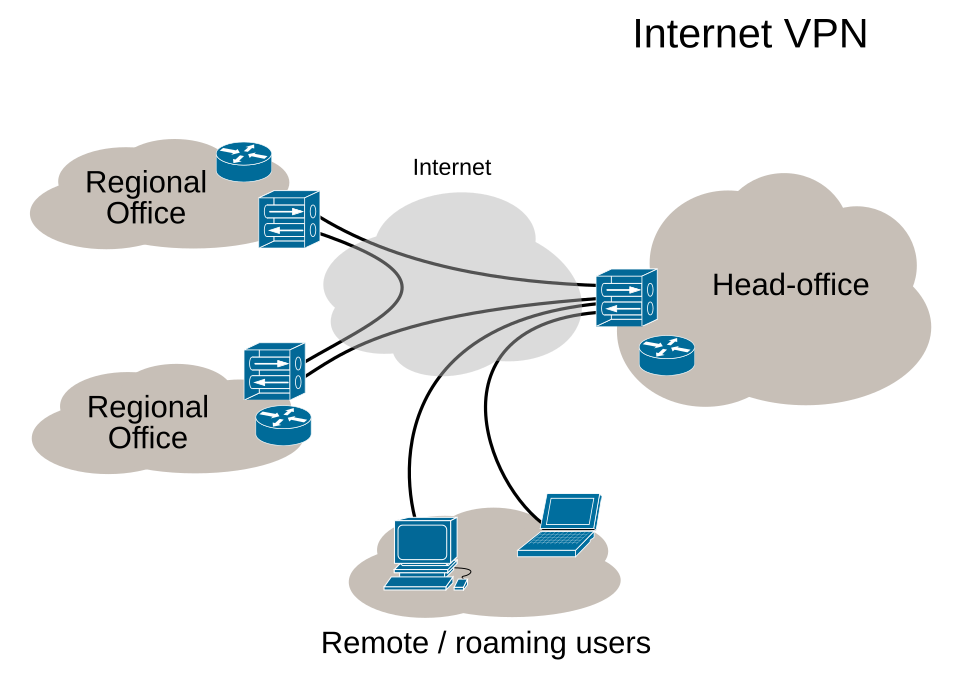
Setting up your mikrotik as an openvpn client a step by step guide is easier than you think, and this full guide will walk you through it with a clear, step-by-step approach, practical tips, and real-world examples. If you’re after a secure tunnel from your MikroTik router to a VPN server, this guide covers the essentials—from prerequisites and certificate handling to final verification and troubleshooting. Plus, you’ll find quick-access resources and a few pro tips to keep things smooth. For those who want a quick edge, consider pairing your Mikrotik OpenVPN setup with a trusted VPN provider for extra privacy and reliability. NordVPN is a popular choice, and you can explore their service via the link in this guide to help protect your traffic while you’re on the go or at home.
Introduction
Yes, you can set up your Mikrotik router as an OpenVPN client in a step-by-step fashion that’s doable for most home and small office networks. This guide provides a concise path from the prerequisites to a working VPN tunnel, plus common issues and their fixes. Here’s the plan:
- Quick prerequisites checklist
- How to install and configure the OpenVPN client on MikroTik RouterOS
- Certificate and key management CA, client cert, and TLS key
- VPN connection testing and validation
- Common pitfalls and troubleshooting tips
- Extra tips for reliability and performance
- Useful resources and references
What you’ll get in this post
- A practical, easy-to-follow setup workflow
- Screenshots-inspired, plain-language steps you can follow on your MikroTik device
- Real-world tips to avoid typical OpenVPN pitfalls
- A handy FAQ section to address common questions
Useful URLs and Resources text only
Apple Website – apple.com
Artificial Intelligence Wikipedia – en.wikipedia.org/wiki/Artificial_intelligence
OpenVPN Community – openvpn.net
MikroTik Wiki – wiki.mikrotik.com
OpenVPN Documentation – openvpn.net/docs
NordVPN – https://www.nordvpn.com
MikroTik RouterOS – mikrotik.com/download
Body
Why choose OpenVPN on MikroTik?
OpenVPN is a versatile, widely supported VPN protocol with strong security and good compatibility with many providers. On MikroTik devices, you can create a reliable VPN client that routes all or selected traffic through the VPN tunnel. Here are a few advantages:
- Strong encryption and authentication
- Wide client compatibility across devices
- Adjustable routing to protect only specific subnets or your entire network
- Solid community support and documentation
Before you start, make sure your MikroTik device is running RouterOS 6.0 or newer. If you’re using a very old device, you may need to upgrade or consider a different VPN protocol like WireGuard, which MikroTik also supports in newer RouterOS versions.
Prerequisites checklist
- MikroTik router with RouterOS 6.0+ and the ability to run VPN clients
- Administrative access to the MikroTik router Winbox, WebFig, or CLI
- OpenVPN server address IP or hostname, port, and protocol UDP/TCP
- CA certificate, client certificate, and client key or a PKCS#12 bundle if your server provides one
- TLS-auth key ta.key if your server requires TLS authentication
- DNS and IP addressing plan for your LAN
- A plan for what traffic you want to route through the VPN default route or specific subnets
Tip: If you’re not running your own OpenVPN server and you’re using a provider, confirm the exact server address, port, and certificate details with them. Some providers offer a preconfigured OpenVPN profile that you’ll adapt for MikroTik.
Step-by-step: setting up OpenVPN client on MikroTik
Below are the core steps. The exact menu wording might vary slightly depending on RouterOS version, but the concepts stay the same.
1 Upload and prepare certificates and keys
- If you have separate CA, client cert, and client key files, upload them to the MikroTik file system.
- If you have a PKCS#12 bundle, you can extract the certificate and key and then import into MikroTik.
- If your server uses TLS-auth ta.key, upload that as well.
Files you typically need: Proton vpn how many devices can you connect the ultimate guide
- ca.crt
- client.crt
- client.key
- ta.key optional
Tip: Keep your private key secure and avoid sharing it. Use MikroTik’s built-in certificate store or files as needed.
2 Create the OpenVPN client interface
- Open your MikroTik Terminal or Winbox/WebFig.
- Create an OpenVPN client interface with the proper settings.
Example CLI:
- /interface ovpn-client add name=ovpn-out1 connect-to=openvpn.server.com port=1194 mode=ip-client user=youruser password=yourpass profile=default-encryption-cert only-one=no
Note: MikroTik uses a certificate-based authentication flow, not a standard user/password for OpenVPN. If your server requires TLS authentication, you’ll need to specify tls-auth and the certificate files.
- If you’re using certificate-based authentication, specify the certificates in the client settings.
3 Attach certificates to the client
- Certificate Authority: choose or import ca.crt
- Client Certificate: choose client.crt
- Client Private Key: choose client.key
In the MikroTik CLI, you might reference them by file name or by certificate IDs, depending on how you imported them.
4 TLS settings and extra options
- Encryption level: select a secure cipher e.g., AES-256-CBC
- TLS version: force TLS 1.2 or 1.3 if available
- TLS-auth: enable and specify ta.key if required
If your server uses a specific cipher or TLS version, match those exactly. Mismatches are a common cause of failed connections. Proton vpn wont open heres how to fix it fast: Quick Troubleshooting Tips, VPN Alternatives, and Setup Guide
5 Configure remote peer and route settings
- Remote IP/Hostname: the OpenVPN server address
- Port: 1194 or your server’s port
- Protocol: UDP or TCP match the server
- Local and remote networks: define which networks will be reached through the VPN
In MikroTik, you’ll set the remote address in the interface settings and create a route that points to the VPN tunnel for the desired destinations.
6 Add firewall rules
- Allow VPN traffic to pass through the MikroTik
- Ensure that the VPN interface is allowed to send and receive traffic
- If you want full tunnel, push a default route through the VPN; if you want split tunneling, only route specific subnets
Example:
- /ip firewall filter add chain=input in-interface=ovpn-out1 protocol=tcp dst-port=1194 action=accept
- /ip firewall filter add chain=forward in-interface=ovpn-out1 action=accept
- /ip route add dst-address=0.0.0.0/0 gateway=ovpn-out1
7 Start the VPN and monitor the connection
- Enable the OpenVPN client interface
- Watch the logs for messages like “TCP connection established” or “UDP connected”
- Confirm that the VPN interface has an IP address and that traffic routes through it
CLI example:
- /interface ovpn-client enable ovpn-out1
- /log info message=”OVPN: starting”
Then check:
- /interface ovpn-client print
- /ip route print where gateway is ovpn-out1
8 Verify connectivity
- Ping a host inside the VPN network and a host on the internet to confirm tunnel behavior
- Use traceroute to verify path changes
- Check DNS resolution to ensure DNS queries go through the VPN if you configured DNS forwarding
9 Optional: DNS and name resolution through VPN
- Set DNS servers to those provided by the VPN or configure split-horizon DNS if your server supports it
- Ensure that DNS requests are not leaked if you’re aiming for full tunnel
10 Backup and redundancy
- Save VPN client configuration
- Export the device configuration to a backup file
- Consider a failover plan if the VPN server becomes unavailable automatic reconnect, or fallback to direct connection
Sample OpenVPN client configuration data illustrative
- Server address: openvpn.server.example
- Port: 1194
- Protocol: UDP
- CA: ca.crt
- Cert: client.crt
- Key: client.key
- TLS-auth: ta.key optional
- Cipher: AES-256-CBC
- TLS version: 1.2 or 1.3
- Remote network: 10.10.0.0/16 through VPN
- Local network: 192.168.1.0/24 LAN
Remember, the exact syntax and names within MikroTik can vary by RouterOS version. If you’re unsure, check the official MikroTik documentation for your version, or use the WebFig UI step-by-step wizards that guide you through the fields. Does nordvpn charge monthly your guide to billing subscriptions
Common issues and quick fixes
-
Problem: OpenVPN client won’t connect
- Check that the CA, client cert, and key match the server
- Verify that the server address and port are correct
- Ensure TLS-auth ta.key matches both sides if used
- Confirm that your MikroTik’s date/time is accurate; certificate validation can fail if clocks are off
-
Problem: Traffic doesn’t route through VPN
- Confirm the default route points to the VPN interface or create correct static routes
- Check firewall rules to allow VPN traffic
- Verify DNS settings if you can’t resolve names after connection
-
Problem: Slow VPN or dropped connections
- Try UDP instead of TCP if the server supports it
- Check MTU and fragmentation adjust MTU if needed
- Ensure hardware resources aren’t maxed out on the MikroTik
-
Problem: DNS leaks
- Set VPN-assigned DNS servers and disable local DNS leakage through firewall rules
- Ensure that DNS requests use the VPN path where needed
-
Problem: Certificate errors Does Mullvad VPN Have Servers in India and Other Essential Details You Need
- Double-check that the CA, client cert, and client key are the correct pair for the server
- Re-export certificates from the certificate authority if needed
Performance and best practices
- Use the strongest cipher supported by both client and server, balanced with router performance
- Prefer UDP over TCP for OpenVPN if latency is a concern
- Keep your RouterOS and firmware up to date to benefit from security fixes and performance improvements
- Regularly rotate certificates and reissue keys to maintain security
- Consider enabling automatic reconnect or watchdog scripts to recover from VPN interruptions
Advanced: split tunneling vs full tunneling
- Full tunneling routes all traffic through the VPN tunnel, which can improve privacy but may reduce internet speed or increase latency for some sites
- Split tunneling only routes specific subnets or destinations through the VPN, leaving other traffic on the regular internet
- To implement split tunneling:
- Add specific routes via the OpenVPN interface for the subnets you want to protect
- Leave default route untouched to route general traffic normally
- For most home users, a simple full-tunnel setup is easier and often sufficient for privacy and security
Security considerations
- Protect the OpenVPN client credentials and private keys
- Use strong, unique certificates for client authentication
- Keep the TLS-auth ta.key secure and rotate it if you suspect compromise
- Monitor router logs for unusual VPN activity or failed connection attempts
Quick recap of the setup flow
- Gather and prepare certificates and TLS keys
- Create and configure the OpenVPN client interface
- Attach the appropriate CA, client certificate, and key
- Configure TLS options and server details
- Set up routing and firewall rules
- Start the VPN and verify connectivity
- Tweak DNS and routing for your preferred setup
- Maintain and monitor the VPN connection
Real-world tips from experience
- If you’re using a VPN provider, you might get a prebuilt OpenVPN profile. Use the parts that MikroTik needs: CA, cert, key, and TLS-auth if required.
- Take notes of any version-specific quirks; RouterOS upgrades sometimes change where settings live or how certificates are referenced.
- A simple, clean lab setup with a test network or separate VLAN can help you test VPN settings without impacting your main network.
Frequently Asked Questions
How do I know if OpenVPN works on my MikroTik?
You’ll see an assigned VPN IP on your ovpn-client interface, and routes through the VPN will appear in the routing table. You can ping a host inside the VPN or outside to confirm connectivity.
Can I run OpenVPN on any MikroTik device?
Most MikroTik devices that run RouterOS with VPN support can run the OpenVPN client, but very old hardware might have performance limitations. Verify with your device’s CPU/memory specs and RouterOS version.
What’s the difference between OpenVPN TCP and UDP on MikroTik?
UDP is generally faster and more suitable for VPN traffic, while TCP can be more reliable on networks with strict firewalls or unreliable UDP handling. If your server supports UDP, try that first.
Do I need a TLS-auth key?
TLS-auth ta.key adds an extra HMAC layer to protect against certain attacks. If your server uses TLS-auth, you’ll need to configure it on both sides.
How do I enable full tunnel on MikroTik OpenVPN?
Set the OpenVPN client as the default gateway and ensure that the default route points to the VPN interface. Remove or adjust specific routes if you only want traffic for certain destinations to go through the VPN. Does nordvpn track your browser history the real truth revealed: Everything You Need to Know About NordVPN Privacy
What if my VPN reconnects slowly or dropps?
Check the server’s availability, MTU settings, and the MikroTik CPU load. Enable an automatic reconnect option and adjust the idle timeout if needed.
How can I verify DNS is not leaking?
Configure DNS servers to be those provided by the VPN, and add firewall rules to prevent DNS requests from leaving the VPN path if strict privacy is required.
Can I run OpenVPN and other VPNs on the same MikroTik device?
In most cases, MikroTik devices can run multiple VPN clients, but performance will depend on hardware. It’s best to test and monitor CPU usage and throughput.
Is there an alternative to OpenVPN on MikroTik?
Yes, MikroTik supports WireGuard in newer RouterOS versions, which is simpler to configure and often faster. Compare OpenVPN and WireGuard on your hardware and choose what fits your needs.
How do I back up my OpenVPN client configuration?
Export the router configuration or create a backup file from the MikroTik interface. Store the backup in a safe place to recover quickly after a reset. How to Turn Off Auto Renewal on ExpressVPN A Step by Step Guide
FAQ sections like this help cover a wide range of common user questions and provide quick answers so you can troubleshoot without leaving your MikroTik environment.
Sources:
Nordvpn 匿名性 本当にバレない?使い方から注意点まで
永久vpn 使用与选购指南:长期稳定的VPN服务、隐私保护、速度与性价比解析
Download urban vpn for edge Does Mullvad VPN Work on Firestick Your Step by Step Installation Guide