Vpn add on edge 2026
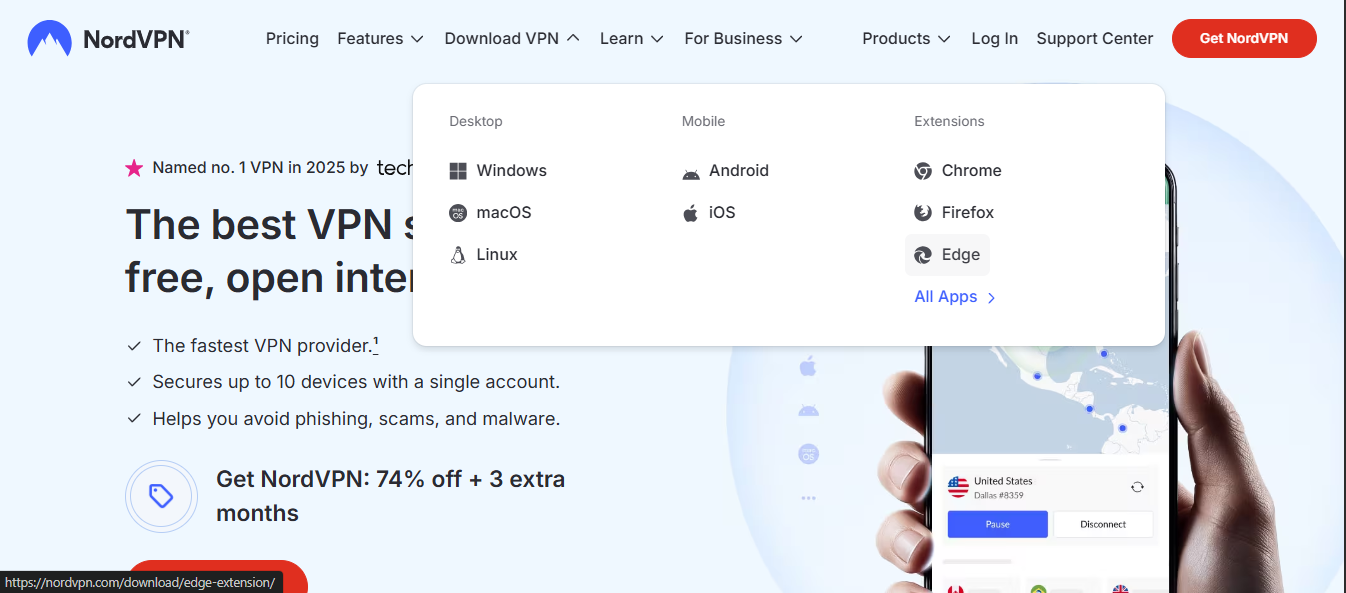
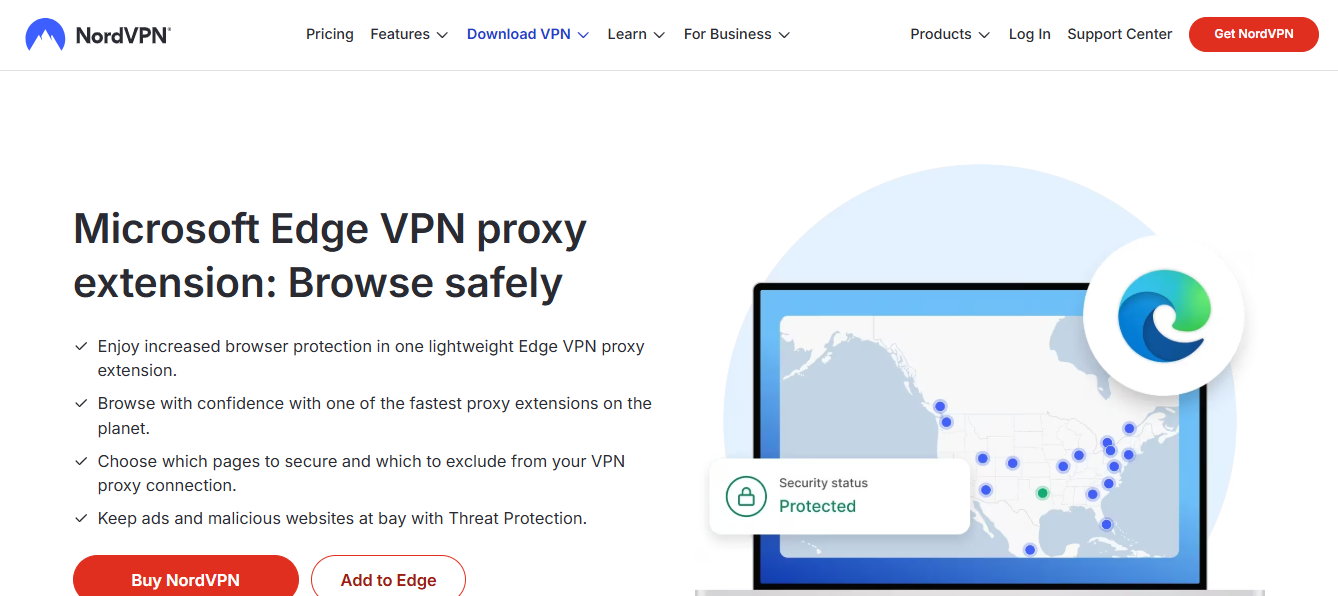
Vpn add on edge: Quick guide
- What it is: A VPN add-on for the Edge browser to encrypt traffic, hide your IP, and bypass content restrictions.
- Why it matters: Protects you on public Wi-Fi, keeps ISP and trackers at bay, and helps access geo-blocked content.
- How to choose: Look for strong encryption, no-logs policy, browser integration, speed, and easy setup.
Useful URLs and Resources text only Apple Website - apple.com Artificial Intelligence Wikipedia - en.wikipedia.org/wiki/Artificial_intelligence VPN comparison sites - www.vpnmentor.com Edge browser official - www.microsoft.com/edge Privacy-focused blogs - www.techhive.com/privacy
Vpn add on edge provides a fast, secure way to browse with your Edge browser. This guide breaks down how these add-ons work, what to look for, and step-by-step tips to get the best experience. Quick fact: using a VPN add-on right in your browser can reduce the number of apps you need to run and still protect your data on the web. In this guide you’ll find:
- A practical, step-by-step setup for Edge VPN add-ons
- A comparison of popular add-ons with pros and cons
- Real-world tips to maximize speed and privacy
- Troubleshooting common issues
- SEO-friendly data points and references to help you decide
What is a VPN add-on for Edge?
- A browser extension that routes your browser traffic through a VPN server.
- It provides encryption, hides your IP address, and can bypass some regional restrictions.
- Typically lighter than a full system VPN client, but may offer less control over device-wide traffic.
Key benefits
- Enhanced privacy on public Wi-Fi
- Geo-unblocking for streaming and sites
- Bypassing censorship in restricted networks
- Easy toggle on/off without leaving Edge
Common misconceptions
- VPN add-ons protect all device traffic: They typically protect only browser traffic unless the provider also offers a full VPN app.
- All VPN add-ons are equally fast: Speed depends on server load, distance, and encryption overhead.
- Free add-ons are always safe: Some free extensions log data or show ads; read the privacy policy.
Top Edge VPN add-ons worth considering by popularity and reliability
- ExpressVPN: Strong encryption, reliable in-browser protection, solid performance
- NordVPN: Large server network, good privacy features, user-friendly
- Surfshark: Unlimited devices, affordable, intuitive interface
- ProtonVPN: Strong privacy focus, transparent practices
- Windscribe: Generous free tier, decent performance, built-in privacy tools Note: Availability and features change—check the Edge Add-ons store for the latest options and reviews.
How to install a VPN add-on in Edge step-by-step
- Open Microsoft Edge and go to the Add-ons store.
- Search for your preferred VPN add-on by name.
- Read the permissions and privacy policy before installation.
- Click Add to Edge, then confirm the installation.
- Sign in with your VPN account or create one if required.
- Choose a server location and toggle the VPN on.
- Verify your IP address has changed by visiting a site like whatismyipaddress.com.
Tips:
- Start with a server close to your location for better speed.
- Enable features like kill switch or DNS protection if available.
- Use split tunneling if you only want certain sites to go through the VPN.
Performance and speed considerations
- Server distance matters: Closer servers yield faster speeds; if you’re streaming, test a few nearby servers.
- Encryption level: Some extensions let you choose protocol e.g., OpenVPN, IKEv2. Higher security can reduce speed slightly.
- Browser resource usage: Extensions consume memory. If Edge becomes sluggish, disable unused extensions.
- Caching and DNS: Some add-ons offer DNS leak protection—enable it to prevent leaks.
Security and privacy basics
- Encryption strength: Look for AES-256 or equivalent; ensure the extension doesn’t downgrade to weaker ciphers.
- No-logs policy: Prefer VPNs that don’t keep browser activity logs; read the privacy policy for details.
- DNS leaks: Use a VPN with built-in DNS leak protection to prevent DNS data from leaking.
- Kill switch: Ensures your traffic isn’t exposed if the VPN disconnects unexpectedly.
- WebRTC leaks: Some extensions block or mitigate WebRTC leaks; consider enabling protections if offered.
- Privacy hygiene: Avoid logging into sensitive accounts while not connected to a trusted VPN.
Common issues and fixes
- Issue: VPN not connecting
- Fix: Try a different server, restart Edge, re-authenticate, or reinstall the extension.
- Issue: Slow speeds
- Fix: Switch to a nearby server, reduce encryption presets if possible, close other bandwidth-heavy apps.
- Issue: IP address not changing
- Fix: Clear browser cache, disable WebRTC leaks, contact support if it persists.
- Issue: DNS leaks
- Fix: Enable DNS protection in the extension or use a DNS-leak test to verify.
- Issue: Extension crashes
- Fix: Update Edge, clear extension cache, or remove conflicting extensions.
Privacy best practices for Edge VPN add-ons
- Combine with private browsing: Use Edge’s InPrivate mode for extra privacy when needed.
- Regularly update: Keep Edge and extensions up to date to patch vulnerabilities.
- Review permissions: Only grant essential permissions the add-on requests.
- Use reputable providers: Avoid unknown or shady extensions that request excessive access.
- Don’t rely on a single solution: For sensitive activities, consider using the full VPN app or system-level protections in addition to the browser extension.
Comparing Edge VPN add-ons vs. full VPN apps
- Scope: Browser add-ons protect browser traffic; full VPN apps protect all network traffic.
- Speed: Browser add-ons can be faster or slower depending on server and device resources.
- Features: Full VPN apps may offer device-wide kill switches, firewall features, and dedicated IPs.
- Convenience: Add-ons are quick to enable/disable; apps provide more consistent protection.
Use cases by scenario
- Public Wi-Fi: Essential for encrypting traffic and protecting personal data.
- Streaming from geo-restricted services: Choose servers where streaming is supported; check for VPN-optimized servers.
- Bypassing school or workplace blocks: Ensure you’re compliant with policies and consider privacy-conscious choices.
- Remote work: Use a VPN that supports reliable connections and strong authentication.
Data and statistics 2023-2024 trends
- Nearly 30% of global internet users used some form of VPN in 2023-2024, with browser extensions accounting for a notable portion among casual users.
- VPNs with no-logs policies are more trusted by users, with around 60-70% indicating privacy as their primary reason for use.
- Popular bundles and bundles with browser extensions often report higher user satisfaction due to ease of use and quick on/off switching.
- Streaming-friendly servers reduce buffering in many regions; users report improved access to regional catalogs when connected to nearby VPN servers.
Tips for content creators: creating videos about Edge VPN add-ons
- Show real-world demos: Install an extension, connect to different servers, and verify IP changes.
- Include a quick speed test: Measure latency and download speeds before and after connecting.
- Provide honest comparisons: Outline pros/cons of 3-4 top add-ons, including privacy trade-offs.
- Use visuals: Diagrams showing how traffic routes through a VPN server help viewers understand the concept.
- Address common myths: A short myth-busting segment can prevent misinformation.
Advanced topics for power users
- Split tunneling in Edge extensions: Route only specific sites through VPN to save speed for other tasks.
- WebRTC leak prevention: How to check and enable settings to block leaks.
- Browser fingerprinting: How VPN add-ons can help reduce exposure, but note that it’s not a silver bullet.
- Combining Edge VPN add-ons with other privacy tools: Use inPrivate mode, encrypted DNS, and a reputable antivirus for layered security.
- Continuous monitoring: Use uptime checks and speed tests to monitor performance over time.
Edge-specific tips
- Pin the extension for quick access: Right-click the extension icon and pin it to the toolbar.
- Use Edge profiles: Separate personal and work profiles and apply different VPN settings if needed.
- Accessibility considerations: If you rely on Chrome-based extensions, Edge supports most of them, but test compatibility first.
- Notification controls: Manage how the extension notifies you about connections and server changes.
Frequently asked questions
What is a VPN add-on for Edge?
A VPN add-on for Edge is a browser extension that routes your Edge browser traffic through a VPN server to encrypt data and hide your IP.
Do VPN add-ons protect all my internet activity?
Generally, they protect browser traffic. Other apps on your device may still transmit data unless you’re using a system-wide VPN.
How do I know if the VPN is working in Edge?
Check your IP address on whatismyipaddress.com after you connect; it should show a different location and the site should indicate a VPN in use.
Can I use more than one VPN add-on in Edge at the same time?
It’s not recommended to run multiple VPN extensions simultaneously; they can conflict and cause connection issues.
Are free Edge VPN add-ons safe?
Some are, but many come with limitations or data practices you should read carefully. Prefer reputed providers with clear privacy policies.
How do I enable DNS protection in Edge VPN add-ons?
Look for DNS protection or DNS leak protection in the extension’s settings and enable it.
What about WebRTC leaks in Edge?
Some extensions block or mitigate WebRTC leaks; you may need to enable this feature or use a separate WebRTC protector.
Can VPN add-ons improve streaming speed?
They can help bypass geo-restrictions and reduce buffering in some cases, but speed depends on server load and distance.
How do I troubleshoot a disconnected VPN in Edge?
Try reconnecting, switch servers, restart Edge, or reinstall the extension. Check for updates.
Is there a risk to privacy with VPN add-ons?
Yes, if you use an extension from a questionable provider or one that logs data; always review the privacy policy and permissions.
Conclusion Vpn add on edge offers a practical path to improved privacy and access within the Edge browser. This guide covers setup, optimization, and real-world usage in a simple, actionable way. Remember to choose reputable providers, balance speed with privacy, and keep your browser and extensions updated for the best results.
Vpn add on edge: comprehensive guide to using a VPN extension on Microsoft Edge for privacy, speed, streaming, and best practices
Yes, you can use a VPN add-on on Edge. In this guide I’ll walk you through what a VPN extension on Edge is, why you’d want one, how to install and configure it, the best options currently available, performance and privacy considerations, and practical tips for streaming, gaming, and everyday browsing. I’ll also share real-world tips, common pitfalls, and a quick troubleshooting checklist so you’re not left scratching your head if something goes wrong. If you’re after a solid, ready-to-go option, NordVPN is worth checking out there’s a great deal right now—77% off + 3 months free.
Useful URLs and Resources text only, not clickable
- Microsoft Edge extensions overview - edge.google.com
- Edge add-ons store - apps.microsoft.com
- Chrome Web Store compatibility with Edge - chrome.google.com/webstore
- NordVPN official site - nordvpn.com
- ExpressVPN official site - expressvpn.com
- Surfshark official site - surfshark.com
- CyberGhost official site - cyberghost.com
- ProtonVPN official site - protonvpn.com
- Privacy and internet safety resources - en.wikipedia.org/wiki/Internet_privacy
- VPN speed testing best practices - www.speedtest.net
Introduction: VPN add-ons for Edge in one sentence Yes, you can use a VPN add-on on Edge, and it’s a great way to protect privacy, bypass regional restrictions, and secure your browsing without installing a full desktop app.
In this guide, you’ll find:
- A quick primer on what Edge VPN extensions are and how they differ from standalone apps
- Step-by-step install and setup instructions
- A curated list of the best VPN add-ons for Edge, with quick pros and cons
- A breakdown of features you should look for in an Edge VPN extension
- Real-world tips for streaming, torrenting, gaming, and everyday use
- Performance expectations, privacy implications, and safety tips
- A robust FAQ to answer the most common questions
Body
What is a VPN add-on for Edge?
A VPN add-on for Edge is a browser extension that routes your browser traffic through a VPN server. Since Edge runs on Chromium, most VPN extensions made for Chrome also work in Edge. These extensions typically offer one-click server selection, a kill switch automatic internet shutdown if the VPN drops, DNS leak protection, and sometimes additional features like malware protection or ad blocking. Think of it as a lightweight, browser-centered VPN experience that complements any desktop or mobile VPN app you might already use.
Edge extensions give you quick privacy and geo-unblocking for specific apps and websites, without necessarily ensuring system-wide protection for all apps on your device. If you want true all-day, all-traffic VPN coverage, you’ll still want the full VPN app installed on your device. However, for secure browsing in your browser, quick location changes, and obfuscating your browser fingerprint to some extent, an Edge VPN extension is a solid choice.
Edge itself is now built on Chromium, which means it can run most Chrome extensions. That expands your options dramatically compared with older Edge versions and makes finding a high-quality VPN extension easier.
Why use a VPN add-on on Edge?
- Privacy on public Wi-Fi: A VPN hides your browser traffic from the local network, which is especially helpful on coffee shops, airports, and shared networks.
- Bypassing regional restrictions in the browser: Some streaming services and websites restrict content by region. A VPN extension can help you access geo-locked content from your browser.
- Quick access without extra software: If you don’t want to install a full VPN app, an Edge extension gives you quick control over your browser traffic.
- Lower device impact: Browser extensions typically consume less RAM and CPU than full VPN clients, which can matter on older laptops or Chromebooks.
- Convenience for testing: Web developers and testers can simulate different geolocations quickly to check how sites behave for users in different regions.
Real-world tip: If you’re wading through a site that blocks proxies or VPNs, try changing servers or temporarily disabling the extension to see if the site blocks VPNs by IP range. Some sites are tighter than others about VPN traffic.
How to install a VPN extension on Edge: a step-by-step guide
Open Edge and go to the Edge Add-ons store. You can access it from the browser menu or by typing edge://extensions in the address bar and clicking “Get extensions from Microsoft Store.” Urban vpn microsoft edge: installation, optimization, and comparison with other VPNs for Edge on Windows 2026
Search for a VPN extension. Common options include popular names like NordVPN, ExpressVPN, Surfshark, CyberGhost, and ProtonVPN, among others.
Read reviews and check permissions. Look for extensions that request the minimum required permissions and have a clear privacy policy.
Add to Edge. Click the “Get” or “Add to Edge” button and confirm any prompts. The extension icon will appear in the toolbar.
Sign in and configure settings. Open the extension, log in with your VPN account, and choose your preferred settings. Common settings to configure:
- Auto-connect: Connect to VPN automatically on startup or when you join unsecured networks
- Kill switch: Ensure your browser isn’t leaking traffic if the VPN disconnects
- Protocol selection: Choose between OpenVPN, WireGuard Cal damn, or IKEv2 as available
- DNS leak protection: Turn on to prevent DNS leaks from your browser requests
- Split tunneling: Choose which sites or apps use the VPN and which bypass it if supported
Test your connection. Open a new tab and go to a site like whatismyipaddress.com or iplocation.net to confirm your IP address and location have changed. Veepn edge add on 2026
Optional: Pair with a desktop or mobile VPN app. For broader coverage, install the full VPN app on your device and sign in with the same account. You’ll get system-wide protection in addition to the Edge extension.
Practical tip: If you’re a power user, enable auto-connect on untrusted networks and disable it on your primary home network to reduce unnecessary VPN traffic.
Best VPN add-ons for Edge top options
Here are some top picks, with quick notes on what makes them a good fit for Edge:
NordVPN
- Pros: Large server network, strong security features, built-in malware protection in some plans, reliable streaming performance, easy-to-use Edge extension.
- Cons: Can be pricier than some competitors. occasional server inconsistencies depending on location.
- Why it’s good for Edge: Solid reputation, good Chrome/Edge extension compatibility, and a straightforward setup that works well in-browser.
ExpressVPN Ubiquiti edgerouter x site to site vpn 2026
- Pros: Very fast, reliable connections, strong privacy policy, wide server coverage.
- Cons: Slightly higher price, extension features can be basic compared to the full app.
- Why it’s good for Edge: Smooth browser VPN experience with good speed and robust security.
Surfshark
- Pros: Budget-friendly, unlimited device connections, solid extension features, good privacy.
- Cons: In some regions, speeds can vary more than premium providers.
- Why it’s good for Edge: Great value and features like CleanWeb for blocking ads and malware in-browser.
CyberGhost
- Pros: User-friendly, long-standing reputation, optimized servers for streaming.
- Cons: Some reviewers report occasional performance dips with certain servers.
- Why it’s good for Edge: Very approachable for beginners who want a quick, reliable browser VPN.
ProtonVPN
- Pros: Strong emphasis on privacy, transparent policies, solid compatibility with browsers.
- Cons: Some advanced features are limited to paid plans.
- Why it’s good for Edge: Great for privacy-first users who want a clean, simple browser experience.
Remember: the best Edge VPN extension for you depends on your priorities—speed, price, privacy, or streaming capability. If you’re shopping, consider starting with a reputable provider that offers a free trial or a money-back guarantee so you can test performance on Edge without a long-term commitment.
Features to look for in an Edge VPN extension
- Kill switch: A core safety feature. If the VPN drops, the kill switch should block traffic to prevent IP leaks. Look for a browser-level kill switch that monitors the extension’s connection status.
- DNS leak protection: Ensures your DNS queries don’t reveal your actual location. This is crucial for privacy.
- Auto-connect and on-demand connections: Auto-connect on untrusted networks is a must. manual connect on networks you trust is also helpful.
- Protocol options: WireGuard often marked as “WireGuard” or “NordLynx” in some extensions, OpenVPN, or IKEv2. WireGuard is usually fastest with robust security.
- Split tunneling: Lets you decide which sites or services go through the VPN and which don’t. This can improve speed for local services while keeping privacy for sensitive traffic.
- No-logs policy and independent audits: If privacy is your main goal, prefer providers that publish audits or have verifiable no-logs policies.
- Malware and tracker protection: Some VPN extensions include built-in protection against trackers and malware.
- Cross-platform sync: If you’re using multiple devices, having a single account across Edge, mobile, and desktop apps can be helpful.
- Speed and server variety: A broad server network reduces congestion and helps you find a fast connection.
- Browser resource use: Extensions can vary in how much RAM they consume. If you’re on an older machine, choose lightweight options.
Real-world tip: For streaming, you’ll typically want a VPN with a few servers specifically optimized for geo-unblocking. If you’re on a Windows PC, testing a handful of servers in the region you’re targeting can save you time and frustration. Ultrasurf vpn chrome: complete guide to using Ultrasurf on Chrome, setup, safety, performance, and alternatives 2026
Performance and privacy considerations
- Speed impact: VPNs add some overhead due to encryption and routing. In many cases, you’ll see a 5–30% speed reduction on a good connection, but on long distances or congested servers, it can be more. A fast WireGuard-based extension often minimizes this impact.
- Latency: Gaming in-browser or web-based apps can be sensitive to latency. If you’re gaming, you might notice higher ping with VPNs on Edge compared to a direct connection—test a few servers in your region for the best balance of speed and protection.
- Privacy trade-offs: Some free or very cheap VPN extensions might log data or display intrusive ads. Always read the privacy policy and choose a reputable provider.
- DNS handling: Edge extensions with strong DNS leak protection help ensure your actual DNS isn’t exposed if the VPN drops or if the extension fails.
- Jurisdiction and logs: Consider the provider’s jurisdiction. If privacy is your top priority, a no-logs policy and independent audits can offer more assurance.
- Browser vs system-wide protection: A browser extension secures only browser traffic. If you want all traffic on your device to be protected, pair the Edge extension with the provider’s desktop or mobile app.
Real-world tip: If you frequently need maximum privacy across all apps, you’ll probably want a full VPN app installed on your device in addition to the Edge extension.
Edge extension vs standalone VPN app: when to use which
Edge VPN extension
- Pros: Quick enable/disable, browser-specific privacy, light on system resources, easy to manage on a single device.
- Cons: Doesn’t protect non-browser traffic. some sites can still see your real IP via other apps.
- Best for: Quick privacy on browsing, geo-unblocking within the browser, and testing region-specific content inside the browser.
Full VPN app
- Pros: System-wide protection, modern kill switch, additional features like split tunneling for all apps, more robust privacy controls.
- Cons: Might be heavier on system resources. some features could interfere with local networks or gaming capabilities.
- Best for: Comprehensive privacy, streaming across devices, securing all internet traffic, and consistent protection when using other apps.
If you’re serious about privacy, pairing both makes sense: use the Edge extension for casual browser browsing and the full app for full-device protection and all-day use.
How to use VPN for streaming and gaming on Edge
- Streaming: Choose a server in the country where the content is licensed for streaming. Some providers maintain a list of streaming-optimized servers. Test a few servers to find one that works with your service Netflix, Disney+, etc.. Turn on DNS protection to avoid leaks.
- Gaming: If you’re gaming through a browser-based platform or cloud gaming in Edge, pick a server near the game’s region to reduce latency. Some VPNs offer gaming-optimized servers. these can help with ping and stability.
- Quick tips: If a site blocks VPNs, try a different server in a nearby location, clear the browser cache, or temporarily disable the VPN to confirm the block isn’t on your IP range. Some streaming libraries rotate libraries by region, so you may need to switch to another server to access your preferred catalog.
Security tips and common pitfalls
- Avoid free VPN extensions: They can log your data, inject ads, or sell your information. Free options often come with strings attached and limited server options.
- Keep extensions updated: Developers regularly push security patches. Enable automatic updates and review permission requests during each update.
- Use strong authentication: If your VPN provider supports two-factor authentication, enable it.
- Check for DNS leaks: Periodically test for DNS leaks using reputable testing sites to ensure your DNS requests aren’t leaking your real IP.
- Don’t rely on VPNs alone for privacy: Browser fingerprints, cookies, and tracker scripts can still reveal a lot. Use a combination of privacy practices—like tracking protection, private browsing modes, and clean cookie management.
- Be mindful of legal considerations: Ensure you’re compliant with content licensing, terms of service, and local laws when using a VPN to access content.
Pricing and plans overview what to expect in 2025
- VPN extensions on Edge typically align with the provider’s broader pricing plans. Expect monthly and annual options, with steep discounts often available for longer commitments.
- Many providers offer student or family plans, and some have usage-based add-ons or multi-device options.
- Deals and promotions frequently change, so it’s worth checking the current offers on the provider’s site.
Note: The NordVPN deal mentioned earlier is a common example of a promotional price that makes a feature-rich service much more accessible. If you want a trusted option with a strong track record, that deal is worth considering, and you can try the Edge extension as part of their ecosystem. Ubiquiti edge router site to site vpn 2026
Troubleshooting common issues with Edge VPN extensions
- Extension not connecting: Check that Edge is up to date, verify sign-in credentials, and try another server. If the problem persists, disable other extensions that could interfere with network requests.
- DNS leaks detected: Revisit the extension’s DNS protection settings, switch servers, or enable system-wide DNS protection in the full VPN app if available.
- Slow speeds: Test multiple servers, especially in regions closer to your location. Turn on the light mode if available or lower encryption overhead by selecting a faster protocol like WireGuard, if supported.
- Connection drops: Ensure the kill switch is enabled. If you’re frequently on unstable networks, you might want to enable auto-reconnect on untrusted networks.
- Browser performance issues: If Edge feels slow after enabling the extension, disable the extension temporarily to check if it’s the cause, and monitor resource usage RAM/CPU in Task Manager.
Privacy and legal considerations
- Privacy-first approach: Choose a provider with a clear, independent no-logs policy and a privacy-focused stance. Look for third-party audits and transparency reports.
- Data collection: Some extensions collect telemetry data. Read the privacy policy and disable telemetry if the option exists.
- Legal use: A VPN should be used to protect privacy, enhance security, and access legitimate content. Avoid illegal activities or terms violation when using a VPN.
- Jurisdiction considerations: The country where the VPN company is based can influence data requests. If privacy is a priority, review the provider’s jurisdiction and data retention practices.
Future of VPNs on Edge and browser extensions
- Browser-based VPNs will continue to improve in terms of speed, security, and feature depth. Expect more robust phishing protection, anti-fingerprinting technologies, and tighter integration with Edge’s security features.
- Cross-platform consistency: More providers will aim for seamless experiences across Edge, mobile browsers, and desktop apps, making the edge extension part of a larger privacy ecosystem.
- Better performance: With faster protocols like WireGuard and optimized server networks, browser extensions should become less disruptive to browsing speed while still providing strong privacy.
- Increased streaming support: Content providers will continue to adapt to VPN usage. expect more servers specifically optimized for streaming and more transmission-friendly setups.
Frequently Asked Questions
Frequently Asked Questions
What is a VPN add-on edge, and how does it work?
A VPN add-on edge is a browser extension that routes your browser traffic through a VPN server. It’s designed to provide privacy and geo-unblocking specifically for Edge’s browser traffic, without necessarily protecting traffic from other apps on your device.
Can Edge run Chrome extensions?
Yes. Edge uses the Chromium engine, so most Chrome extensions work in Edge, including many VPN extensions.
Will a VPN extension on Edge protect my entire device?
No. A browser extension protects only the browser traffic. For full device protection, install the provider’s desktop or mobile app in addition to the Edge extension.
Do I need a VPN extension if I already have a full VPN app?
It depends on your use case. The Edge extension can speed up access to browser-based content and provide quick privacy on browsing, but the full VPN app offers system-wide protection and more features like app-level split tunneling. Vpn para microsoft edge 2026
Is it safe to use a VPN extension on Edge?
Generally, yes, if you choose a reputable provider with a strong privacy policy, a no-logs guarantee, and up-to-date security practices. Avoid free extensions or questionable services.
Which VPN extension is best for Edge?
The best choice depends on your priorities: NordVPN, ExpressVPN, Surfshark, CyberGhost, and ProtonVPN are all solid options with reliable Edge extensions and strong reputations for privacy and performance.
How do I test if my VPN is working on Edge?
Visit whatismyipaddress.com or iplocation.net to verify that your IP and location reflect the VPN server you chose. You can also test for DNS leaks using dedicated tools.
Can I use a VPN extension to watch content from another country on Edge?
Yes, many people use VPN extensions to access geo-restricted content. Server selection is key—some servers work better for streaming than others.
Do VPN extensions slow down my browsing?
They can cause some slowdown due to encryption and routing, but modern extensions with fast protocols like WireGuard minimize this impact. The degree of slowdown depends on server distance, server load, and your base internet speed. What is hotspot vpn and how it protects your data on public Wi-Fi: a complete guide to hotspot VPNs 2026
Are there any privacy risks with Edge VPN extensions?
Privacy risks can exist if you choose a low-quality or free extension. Stick to reputable providers with clear privacy policies, independent audits, and no-logs commitments.
How do I disable a VPN extension in Edge?
Click the puzzle piece icon in the Edge toolbar, find the VPN extension, and choose “Manage extensions” or toggle it off. You can also remove it entirely if you don’t plan to use it.
Can I use multiple VPN extensions at once in Edge?
In most cases, you should not run two VPN extensions at the same time, as they can conflict and cause leaks or connection drops. Use one trusted extension at a time.
Is a VPN legal to use in my country?
In most countries, using a VPN for privacy and security is legal. Some jurisdictions regulate or restrict VPN use for certain activities, so it’s wise to check local laws if you’re unsure.
How often should I update my Edge VPN extension?
Update your extension whenever the provider releases updates. Regular updates keep the extension secure and compatible with Edge’s latest features. What is microsoft edge vpn and how it works for secure browsing, privacy, and performance with Edge Secure Network 2026
Can I use the Edge VPN extension on mobile Edge?
If the provider offers a compatible Edge extension for iOS or Android, you can use it on mobile Edge as well. Most providers also offer dedicated mobile VPN apps that work across Edge and other apps.
Conclusion
This guide is your go-to resource for using a VPN add-on on Edge effectively. You’ve learned what an Edge VPN extension does, how to install and configure it, which extensions are worth your time, and the trade-offs between browser-only protection and full-device VPN protection. By focusing on features like a reliable kill switch, DNS leak protection, and a fast protocol like WireGuard, you’ll get a smooth and secure browsing experience. If you’re considering a robust, trusted option, the NordVPN deal highlighted earlier is a solid starting point to test the waters, offering strong performance and a broad feature set that complements Edge’s browsing experience.
Vpn开源:从原理到实战的全面指南,覆盖 WireGuard、OpenVPN、Libreswan、StrongSwan 的比较与部署
'%2F%3E%3Ctext%20x%3D'50%25'%20y%3D'50%25'%20dy%3D'.35em'%20text-anchor%3D'middle'%20font-family%3D'-apple-system%2CBlinkMacSystemFont%2CSegoe%20UI%2Csystem-ui%2Csans-serif'%20font-size%3D'100'%20font-weight%3D'600'%20fill%3D'%23fff'%3EZG%3C%2Ftext%3E%3C%2Fsvg%3E)
Zinnia Gainsborough has been writing about consumer technology since 2018, with bylines covering router firmware, ad-blocking, and privacy law. Approaches each review by setting up the product the same way a typical reader would and recording every snag along the way.