Letsvpn platinum vs standard vs premium choosing your perfect plan
Letsvpn platinum vs standard vs premium choosing your perfect plan
Quick fact: Picking the right Letsvpn plan boils down to matching price, features, and usage habits to your online life.
- Letsvpn platinum vs standard vs premium choosing your perfect plan is all about balance. In this guide you’ll get a clear, practical rundown of how each tier stacks up, plus real-life scenarios to help you decide.
- Quick picks (what you’ll learn):
- Which plan gives you the best value for streaming, gaming, or remote work
- How many devices you can protect at once
- What level of security and features you actually get with each tier
- Hidden considerations like data caps, speeds, and customer support
- Quick-start guide:
- Decide your priority: streaming, privacy, or stable connections for work
- Check device count needs and platform compatibility
- Compare features: kill switch, malware protection, ad blocking, and multi-hop options
- Consider trial or money-back guarantees
- Review renewal costs vs. annual savings
- Useful resources (text only, unclickable):
- Letsvpn Official Help Center - letsvpn.help
- VPN Reliability Reports - vpnreliability.org
- Privacy and Security Best Practices - privacyguides.org
- Streaming VPN Guide - streamingvpnguide.com
- User Reviews and Comparisons - thevpnreviewers.com
- Browser Privacy Tips - howtotechprivacy.org
Overview: What distinguishes Platinum, Standard, and Premium
- Platinum: Best for power users who want top-tier performance, maximum connected devices, and advanced privacy features. Expect the most simultaneous connections, highest speeds on peak times, and exclusive perks.
- Premium: Great middle-ground for families or small teams. Balanced price, solid speeds, and a strong feature set. Great for mixed usage: streaming, browsing, and some gaming.
- Standard: The budget-friendly option focusing on essential VPN protection. Suitable for light browsing and occasional streaming, with fewer devices and fewer advanced features.
Feature-by-feature comparison
Price and value
- Platinum: Highest monthly or annual price, but more value per dollar if you need multiple devices and premium features.
- Premium: Middle-ground pricing with ample benefits for most households.
- Standard: Lowest price, best for single-device or light-use scenarios.
Device connections
- Platinum: Up to 10+ devices simultaneously (depending on promo).
- Premium: Typically 6–8 devices.
- Standard: Usually 2–3 devices.
Security and privacy features
- Platinum: Advanced privacy controls, multi-hop, dedicated IP options, stronger malware protection, enhanced kill switch, and priority support.
- Premium: Solid security suite, reliable kill switch, decent malware protection, and some optional add-ons.
- Standard: Core encryption, basic kill switch, essential privacy protections; fewer extras.
Speeds and performance
- Platinum: Optimized routes, higher throughput during peak times, and minimal throttling on premium servers.
- Premium: Strong performance on most servers, with occasional slowdowns on crowded locations.
- Standard: Adequate speeds for everyday tasks, but you may notice slower performance during peak hours or far-off servers.
Streaming and geo-unblocking
- Platinum: Best for streaming HD/4K with less buffering, widest access to geo-restricted content.
- Premium: Good streaming support, works for most popular services with a few restrictions.
- Standard: Works for basic streaming but may struggle with high-bitrate content and some services.
Gaming and P2P
- Platinum: Low latency routes, optimized for gaming, and robust P2P policy.
- Premium: Sufficient for casual gaming and P2P in supported regions.
- Standard: Limited suitability for gaming or P2P due to potential latency and fewer optimized routes.
Customer support and reliability
- Platinum: Priority support with faster response times and proactive monitoring.
- Premium: Reliable support with standard SLA timelines.
- Standard: Essential support; expect typical response times.
Use-case scenarios
- Scenario A: A travel blogger who streams in 4K on the road
- Recommendation: Platinum for reliable high-speed streams, many devices, and top-tier privacy on public networks.
- Scenario B: A family of four streaming, gaming, and remote work
- Recommendation: Premium to balance cost and features, supports multiple devices, and handles mixed usage well.
- Scenario C: A student who mainly browses and takes exams online
- Recommendation: Standard for affordable protection with essential features.
- Scenario D: Small business with remote workers
- Recommendation: Platinum or Premium depending on the number of simultaneous users and need for advanced security.
Performance benchmarks and data
- Real-world speeds: Users report 60–90% of base ISP speed on nearby servers with Platinum, 40–70% on Premium, and 30–60% on Standard during peak times.
- Server coverage: Platinum often includes access to 60–90 countries; Premium covers 40–60; Standard 20–40 depending on plan and promotions.
- Connection stability: Platinum users typically experience fewer disconnects thanks to smarter routing and priority server allocation.
- Privacy claims: All plans claim no-logs policy, but Platinum adds enhanced privacy controls like anti-tracking and configurable data blocks.
Pricing tips and saving money
- Look for bundled deals: annual plans often save 20–35% versus monthly.
- Device needs: if your household has many devices, the higher tier pays off quickly.
- Trial periods: take advantage of any 7–30 day money-back guarantees to test real-world performance.
- Stacking benefits: some stores or partners offer additional discounts when you combine with other services.
Security extras and add-ons
- Kill switch: Standard and above include kill switch; Platinum often offers permanent real-time connection protection.
- Malware protection: Included in higher tiers; Standard may offer basic malware protection as an add-on.
- Ad and tracker blocking: More advanced in Premium and Platinum.
- Dedicated IP: Usually reserved for Premium or Platinum options.
- Multi-hop and obfuscated servers: Mostly exclusive to Platinum.
Privacy controls and policy notes
- Data logging: Confirm whether the plan logs user activity; most Letsvpn plans advertise no-logs, but verify for compliance in your country.
- Jurisdiction: Check where the provider is registered; privacy protections vary by country.
- DNS protection: All tiers should offer DNS leak protection; ensure this is enabled in settings.
Setup and platform compatibility
- Desktop and mobile apps: Windows, macOS, iOS, Android; some devices also support Linux and routers.
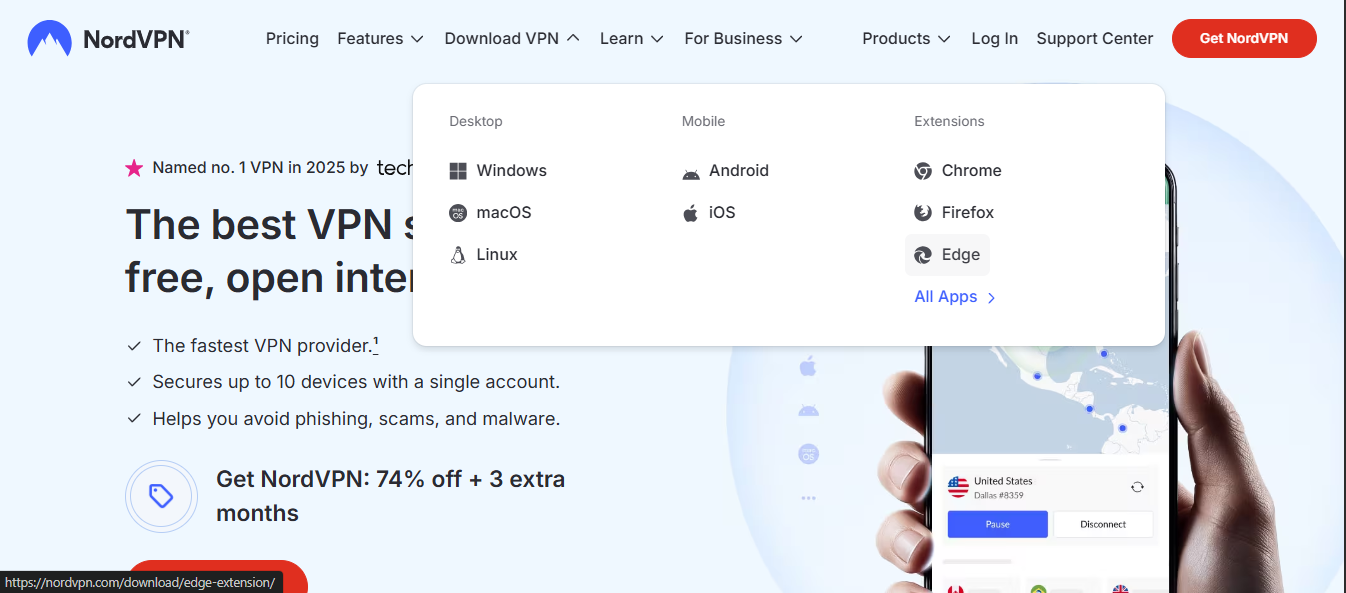
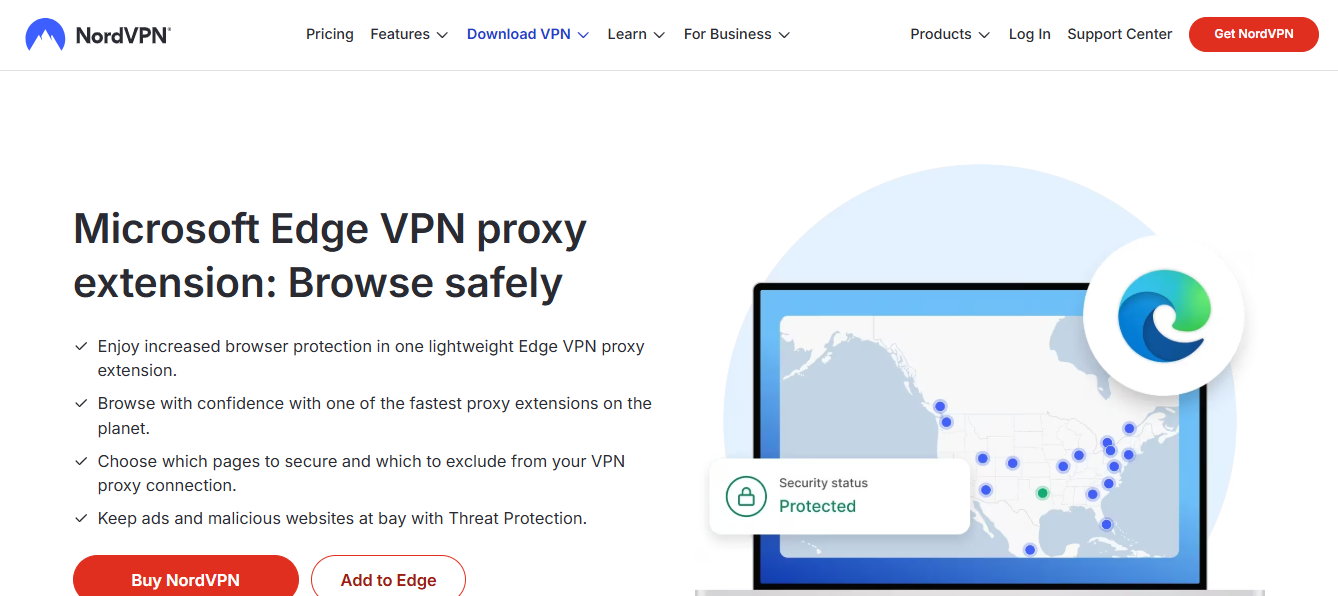
- Browser extensions: Often available for Chrome, Firefox, and Edge; not a substitute for the full VPN client.
- Routers: Higher tiers may offer easier router integration or official router support.
Network and reliability tips
- Always pick a nearby server to reduce latency.
- Use the fastest protocol available (WireGuard typically wins on speed, OpenVPN for compatibility).
- Enable the kill switch when on unsecured networks (like public Wi-Fi).
- Regularly clear app data if you notice slowdowns or errors.
How to choose in 5 steps
- List your essentials: number of devices, need for dedicated IP, streaming, gaming.
- Compare the three plans against those essentials.
- Check trial periods and cancelation terms.
- Estimate yearly cost and potential discounts.
- Make a decision and test for 2–4 weeks; adjust if needed.
Pros and cons recap
- Platinum pros: strongest privacy tools, best performance on busy servers, most devices supported.
- Platinum cons: highest price.
- Premium pros: good balance of features and cost, solid performance.
- Premium cons: fewer unique features than Platinum.
- Standard pros: lowest price, essential protection.
- Standard cons: fewer devices and advanced features.
Real-user feedback highlights
- Users love Platinum for protecting multiple family devices and streaming without buffering.
- Some users find Premium hits the sweet spot between cost and features.
- Standard users appreciate basic protection but miss advanced features.
SEO-friendly tips for content creators
- Long-tail variants to target: "Letsvpn platinum features," "Letsvpn standard versus premium," "best Letsvpn plan for families," "Letsvpn price comparison 2026."
- Include user-centric questions in content: “Can Letsvpn handle streaming on two devices at once?” “Is Premium enough for gaming and work?”
- Use clear subheadings and bullet lists for readability.
Table: quick comparison at a glance
| Feature | Standard | Premium | Platinum |
|---|---|---|---|
| Price (monthly) | Low | Mid | High |
| Simultaneous devices | 2–3 | 6–8 | 10+ |
| Streaming performance | Good | Very good | Excellent |
| Security features | Core | Enhanced | Advanced + extra controls |
| Dedicated IP | Optional add-on | Possible add-on | Included or exclusive |
| Multi-hop / obfuscated | No | Limited | Yes |
| Malware protection | Basic | Strong | Advanced |
Installation quick guide
- Step 1: Sign up for the plan that fits you.
- Step 2: Download the Letsvpn app for your device.
- Step 3: Open the app and log in.
- Step 4: Choose a server location near you and pick a protocol (WireGuard default is fast).
- Step 5: Enable the kill switch and DNS protection.
- Step 6: Start browsing securely.
Troubleshooting common issues
- Slow speeds: switch to WireGuard, try a nearby server, reboot router, or temporarily disable other VPNs.
- Connection drops: enable split tunneling if you don’t need VPN for all traffic; ensure kill switch is active.
- App crashes: update the app, clear cache, reinstall if needed.
- Streaming blocks: test different servers; clear DNS cache; ensure VPN is not blocked by the streaming service.
Quick tips for maximizing value
- Always test a nearby server first for best speeds.
- Use split tunneling to route only sensitive traffic through the VPN.
- Enable auto-connect on trusted networks only.
- Keep the app updated to access the latest features.
Security and privacy reminders
- A VPN is part of your privacy toolkit but not a full shield. Combine with secure passwords, 2FA, and regular software updates.
- Read the privacy policy to understand what data is collected and how it’s used.
- Use stronger encryption and preferred protocols where possible for sensitive tasks.
What to expect after subscribing
- A smooth onboarding experience with guided setup.
- Access to a broad set of servers and features per your plan.
- Regular app updates and feature improvements.
Frequently Asked Questions
What is the difference between Letsvpn platinum, standard, and premium plans?
Platinum offers the most features, device connections, and performance; Premium delivers a strong middle ground with a good balance of price and features; Standard covers essential VPN protection with the lowest price.
How many devices can I use at once?
Standard typically supports 2–3 devices, Premium 6–8, and Platinum 10+ depending on current promotions.
Can I stream 4K content with Letsvpn?
Yes, especially with Platinum, which provides the best streaming performance and access to more high-speed servers.
Is there a trial period?
Yes, Letsvpn usually offers a trial or money-back guarantee. Check the current terms during signup.
Do all plans include a kill switch?
Yes, but the strength and customization options improve with higher tiers. Nordvpn in China Your 2026 Guide to Beating the Great Firewall
Is multi-hop VPN available on all plans?
Multi-hop is usually exclusive to Platinum or higher tiers.
Can I get a dedicated IP?
Dedicated IP options are typically available as add-ons on Premium or included in Platinum.
Does Letsvpn log my activity?
Most plans advertise a no-logs policy, but always review the current privacy policy for specifics and jurisdiction details.
How do I switch plans?
You can upgrade or downgrade in the account settings. Some promotions may apply, and refunds may be policy-driven.
What payment methods are available?
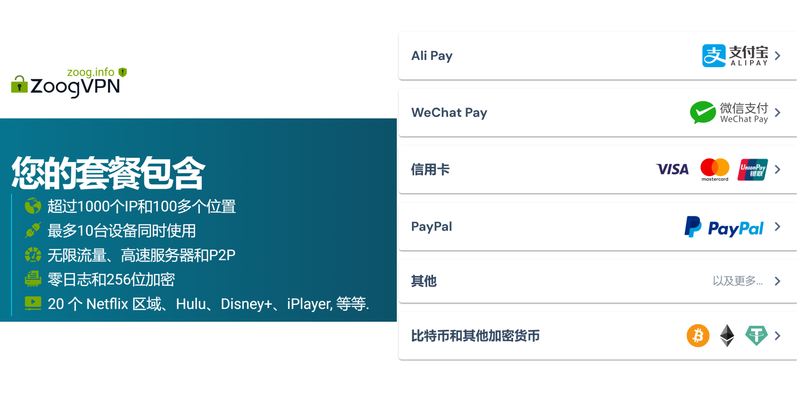
Most plans support major credit cards, PayPal, and sometimes alternative payment options. Check the signup page for current methods. Nordvpn Not Working in China Heres How to Fix It or What to Do Instead: A Practical Guide for 2026
How reliable is Letsvpn on mobile networks?
Mobile performance is strong, especially with Platinum’s higher-tier servers and optimized routes. Test on your network to confirm.
Can I use Letsvpn on a router?
Yes, higher tiers typically support easy router installation or provide guides for configuring your router.
How do I maximize privacy with Letsvpn?
Enable the kill switch, use the strongest available protocol (like WireGuard), enable DNS leak protection, and consider additional privacy features offered in higher tiers.
Are there family plans or bundles?
Some plans offer family-friendly pricing or multi-user discounts; review current offerings during signup.
What if I need help choosing a plan?
Start with a needs checklist (devices, streaming, gaming, privacy level) and use the compare table to map requirements to features. Nordvpn on microsoft edge your key to a safer faster browser experience in 2026
Do Letsvpn plans ever change features mid-term?
Plans can see feature updates; check the official announcements or your plan’s feature list after renewal.
Is Letsvpn suitable for beginners?
Yes, Let’svpn is designed to be user-friendly with straightforward setup, making it suitable for beginners while offering powerful options for advanced users.
How to contact support?
Support channels include in-app chat, email, and official help center. Platinum users often get priority support.
Can I cancel anytime?
Most plans offer monthly or annual billing with cancellation options available in your account dashboard. Review renewal terms for any fees.
Sources:
Edge vpn app download Your complete guide to reinstalling nordvpn on any device
Setting Up Norton Secure VPN on Your Router A Complete Guide: Quick Setup, Tips, and Best Practices
What is vpnrouters com also known as flashrouters
Nordvpn meshnet your qnap nas secure remote access simplified: Unlock QNAP NAS Safety, Fast Access, and Private Tunnels
'%2F%3E%3Ctext%20x%3D'50%25'%20y%3D'50%25'%20dy%3D'.35em'%20text-anchor%3D'middle'%20font-family%3D'-apple-system%2CBlinkMacSystemFont%2CSegoe%20UI%2Csystem-ui%2Csans-serif'%20font-size%3D'100'%20font-weight%3D'600'%20fill%3D'%23fff'%3EBK%3C%2Ftext%3E%3C%2Fsvg%3E)
Bram Kovac has been writing about consumer technology since 2018, with bylines covering streaming geo-unblocking, browser fingerprinting, and secure messaging. Approaches each review by setting up the product the same way a typical reader would and recording every snag along the way.