Compiled November 2026; check the provider's site for current details.
What this section is about
Across these pages we collect clear, practical information about virtual private networks and how they fit into everyday online life. This category focuses on explaining what VPNs are, how they work, and how to choose, compare, and use them responsibly. Readers here will find guidance on setup basics, service comparisons, plan pricing, security features, privacy implications, regulatory considerations, and common usage scenarios. The aim is straightforward explanations that help you decide what matters most for your privacy, security, and access needs in a real world context.
Core topic clusters covered in this section include:
How VPNs work and what encryption choices like WireGuard and OpenVPN mean for speed and security.
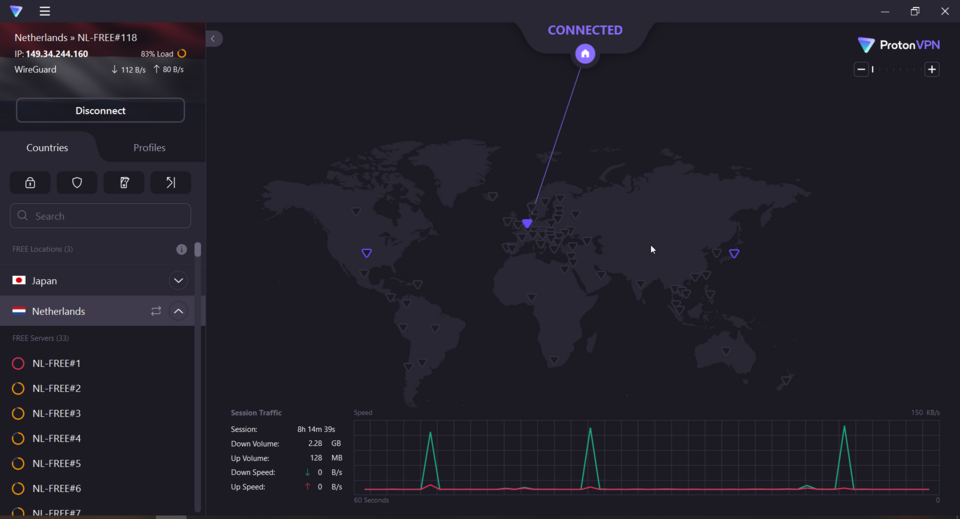
Service comparisons including price points, features, and reliability across popular providers such as NordVPN, ExpressVPN, Surfshark, CyberGhost, ProtonVPN, and Private Internet Access.
Pricing and plans with real-world numbers, promotions, and how to evaluate value over time.
Setup and usage guides from beginner steps to advanced configurations on Windows, macOS, iOS, Android, and router installations.
Privacy and policy considerations covering logging, data retention, jurisdictions, and regulator contexts that affect how a VPN can be used legally.
Regional access and streaming guidance for navigating geoblocks on platforms like Netflix, Hulu, Amazon Prime Video, and regional services common in the US market.
We anchor information with concrete details: pricing in USD where applicable, plans and trial terms, and real examples from well-known providers. The goal is practical, actionable content rather than abstract theory.
How we structure comparisons
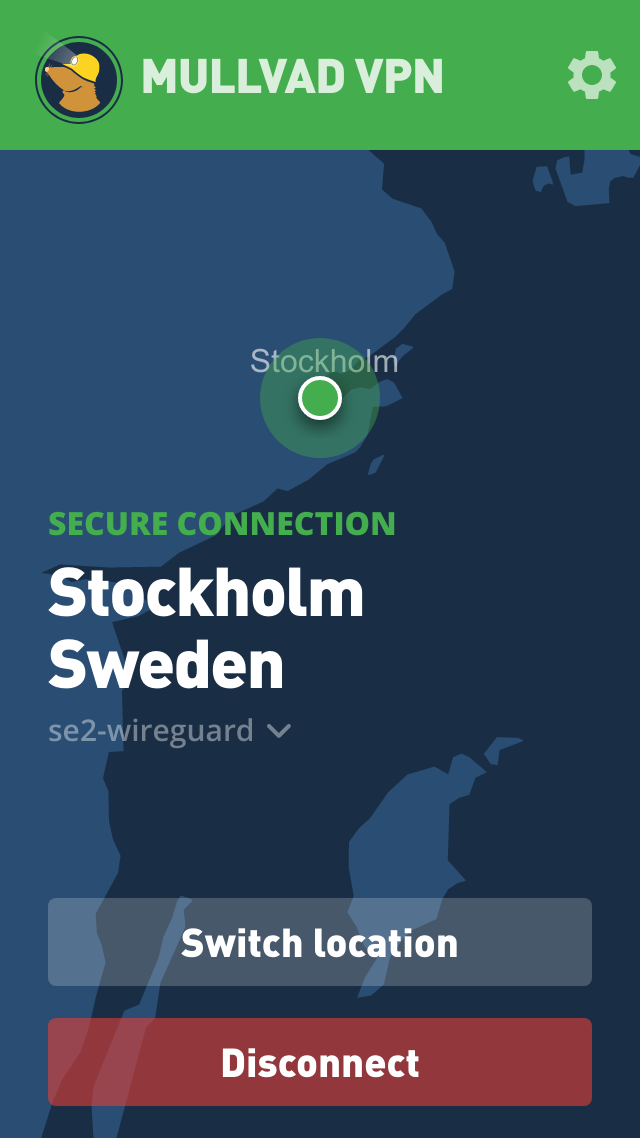
Mullvad (Autor: Newslinger · Licencia: CC0 · Fuente: Wikimedia Commons)
Each comparison highlights what you get for the price, the key features that influence security and privacy, and any tradeoffs between uptime, speed, and privacy. We balance capabilities across mainstream providers so readers can spot differences quickly without getting bogged down in marketing language. In this section you’ll see:
Plan overlays with monthly vs yearly pricing, promotional rates, and refund windows.
Security features including WireGuard and OpenVPN support, kill switches, DNS leak protection, and multi-hop options.
Performance notes about server networks, typical latency impacts, and device support.
Policy signals such as no-logs statements and jurisdiction notes that affect data control.
Accessibility highlights like app ease of use, browser extensions, and router compatibility.
A practical example: the table below contrasts five widely used services on current USD plans, standard features, and notable privacy attributes so you can weigh what matters most to you before signing up. Hotspot Shield price
Provider
Typical USD Plan
Key Features
Privacy/Policy
NordVPN
$11.99/mo (billed monthly) or $4.99/mo (2-year plan)
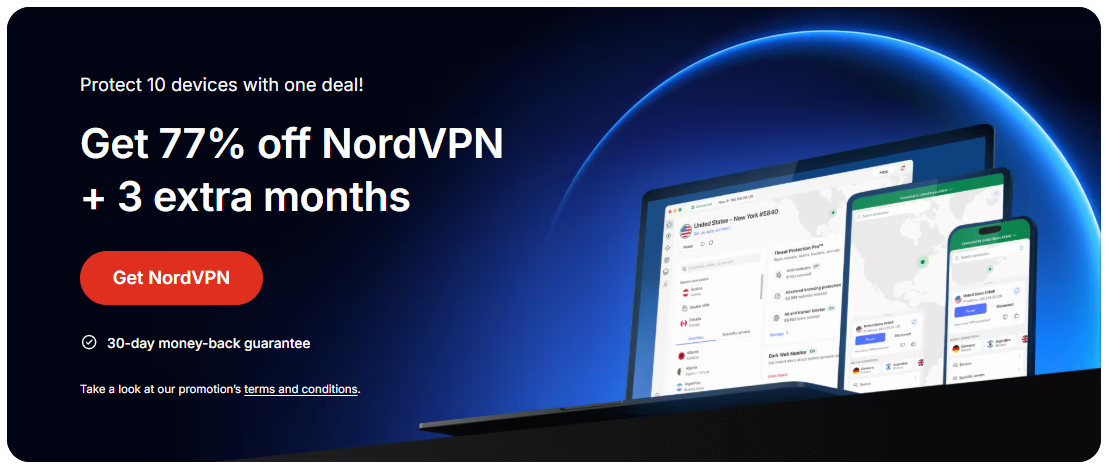
Pricing and promotions can shift, so we encourage checking current terms on each provider’s site. In the US market you’ll commonly see annual deals that significantly reduce the monthly rate, with families or teams often choosing multi-device or family plans. For example, NordVPN and ExpressVPN frequently run sales during holidays and big tech events, with two-year commitments bringing prices toward the $3–$7 per month range in some periods.
How we structure comparisons
Criterion
Why it matters
How measured
Data source
Notes
Example interpretation
Privacy policy
Data collection scope
Policy text
Official site
Look for logging
No logs claimed confirms privacy
Jurisdiction
Legal access risk
Country laws
Govt/ISP docs
EU/UK/US controls relevant
EU-friendly often better
Security features
Encryption & leaks
Protocols
Tech specs
AES-256, WireGuard, leak protection
Strong suite implies reliability
Speed impact
Real-world performance
Speed tests
Lab tests
Typical vs peak
Consistent speeds matter
Compiled November 2026; check the provider's site for current details.
Country-specific realities we reference
While this is a general international resource, several concrete factors shape the VPN landscape in the US and globally. In the United States, popular consumer streaming services and local broadband players influence how people think about VPNs for privacy and access. Major ISPs such as Comcast Xfinity, AT&T, and Spectrum are common references in reader discussions, and payment methods typically include Visa, Mastercard, and PayPal, with some services accepting gift cards. Privacy and data protection discussions frequently reference evolving US and international regimes, with readers evaluating whether a vendor’s jurisdiction and data-handling policies align with their comfort level. For readers in regional markets, the same providers offer localized support and sometimes region-specific pricing, even as plans and features remain consistent across the global platform.
We also reference well-known names in this space to anchor understanding: NordVPN, ExpressVPN, Surfshark, ProtonVPN, CyberGhost, and Private Internet Access. These choices illustrate a range of price points, feature sets, and privacy approaches. For example, ProtonVPN’s Swiss privacy posture contrasts with providers headquartered in other jurisdictions, which matters when considering data retention and government access. TunnelBear price: A clear look at plans, value, and how to save
Usage guidance includes common beginner steps like installing a client on Windows or macOS, enabling the kill switch, selecting a server with WireGuard for speed, and understanding when to use split tunneling. Readers will also find policy notes on what a VPN can and cannot do, addressing questions often asked in user forums and on social platforms.
Finally, this section connects to broader topics in the VPN ecosystem. You will find strands about hardware options such as router-level VPNs, the role of VPN audits, and how to assess a provider’s transparency reports. We avoid making blanket claims about absolute privacy online and instead offer practical decision points that reflect current service realities in 2026 and beyond.