Battling Mozilla VPN Problems—Heres How To Fix Common Issues and VPNs Tips
Battling Mozilla VPN problems? Here’s how to fix common issues and keep your online experience smooth. Quick fact: Mozilla VPN is built on trusted infrastructure, but like any service, users run into hiccups—from connection drops to slow speeds. This guide breaks down the most common problems, what causes them, and practical fixes you can try right away. Think of this as your DIY toolkit for a faster, more reliable VPN experience.


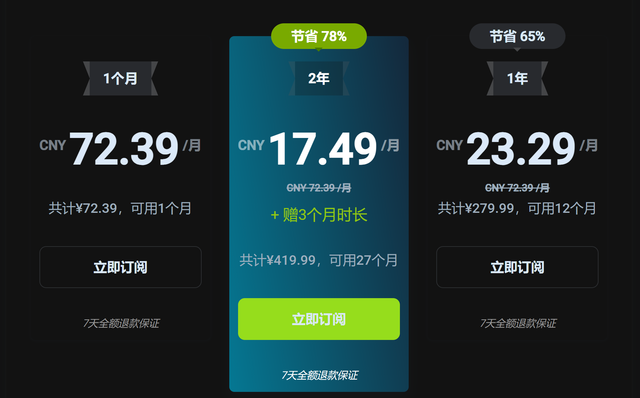

- Quick tip: If you’re curious about a strong, reliable VPN recommendation, consider checking out NordVPN for long-term use and solid performance. For easy access and ongoing protection, you can click here to explore more: NordVPN.
Introduction: What you’ll get in this guide
- A clear, step-by-step approach to common Mozilla VPN issues
- Quick checks you can run without tech support
- Practical fixes for connection, speed, and privacy problems
- A breakdown of settings to optimize performance on different devices
- Useful resources and FAQs to help you troubleshoot faster
Now, let’s dive into the most frequent Mozilla VPN problems and how to fix them.
Table of contents
- Common Mozilla VPN issues at a glance
- How Mozilla VPN works and what to check first
- Troubleshooting by device
- Connection problems and how to fix them
- Speed and performance improvements
- Privacy, leaks, and security checks
- Advanced troubleshooting steps
- Maintenance and best practices
- Frequently Asked Questions
Common Mozilla VPN issues at a glance
- Cannot connect to Mozilla VPN
- VPN connects but no internet access
- Slow VPN speeds
- VPN disconnects randomly
- DNS leaks or IP leaks
- App can’t stay signed in or keeps asking for credentials
- Bloated battery or high CPU usage on mobile devices
- Mozilla VPN blocks streaming or geo-restricted content
- Device compatibility and platform issues
- Error messages and login failures
How Mozilla VPN works and what to check first
Mozilla VPN uses a secure network that routes your traffic through encrypted tunnels. If you’re seeing problems, often the culprit is something in this order:
- Internet connection status
- VPN app version and updates
- Server load and location
- Device permissions and firewall settings
- Network configurations DNS, IPv6, or split tunneling
- Third-party security software or antivirus interference
Quick checks to start:
- Confirm your base internet connection is working without the VPN
- Make sure Mozilla VPN is updated to the latest version
- Try a different server location to rule out local server issues
- Check if your device’s firewall or antivirus blocks VPN traffic
- Enable or disable IPv6 as a test some networks prefer IPv4
Troubleshooting by device
Windows
- Ensure you’re running Windows 10 or 11 with updated network drivers
- Run the built-in Network Troubleshooter
- Temporarily disable third-party firewalls to see if the VPN connects
- Change DNS settings to a public DNS 1.1.1.1 or 8.8.8.8 to see if DNS resolution improves
- Check for conflicting VPN software and uninstall it
macOS
- Verify that your Mac’s date and time are correct; time skew can break VPN auth
- Ensure Mozilla VPN has the required permissions in System Preferences > Security & Privacy
- Reset network settings or renew DHCP lease
- Try a different macOS network location e.g., Automatic, Work, Home
Linux
- Confirm you have the latest Mozilla VPN client for your distro
- Check logs for connection errors journalctl -u mozilla-vpn or equivalent
- Ensure you’re using supported kernels and packages
- Disable conflicting VPN services or network managers temporarily
iOS
- Make sure iOS is updated to the latest version
- Reinstall the Mozilla VPN app if you see repeated sign-in errors
- Check that you’ve allowed VPN configuration in iOS Privacy & Security
- Test on a different Wi-Fi network or cellular data
Android
- Update the Google Play Services and the Mozilla VPN app
- Clear the app cache and data if you encounter login or connection issues
- Disable battery saver or optimize for background activity to keep VPN alive
- Test on a different network mobile data vs Wi-Fi
Connection problems and how to fix them
Cannot connect to Mozilla VPN
- Try a different server: Some servers may be down or overloaded
- Restart the app and device
- Reinstall the VPN app to reset configuration
- Check firewall settings on your router or device
- Check for updates to the VPN app and OS
VPN connected but no internet
- Verify DNS settings: Set DNS to 1.1.1.1 or 8.8.8.8
- Change the VPN protocol if available to a different option
- Temporarily disable IPv6 to see if it affects routing
- Check proxy settings that may interfere with traffic routing
VPN drops or disconnects
- Ensure the server you’re connected to is not overloaded
- Switch to a different protocol or server
- Disable battery saver modes that throttle background activity
- Check for power-saving settings on routers or ISP-level throttling
DNS leaks and IP leaks
- Use the built-in DNS leak protection in Mozilla VPN enable it
- Change your DNS provider to a trusted one
- Use a Kill Switch if available to block traffic when the VPN disconnects
- Run a DNS leak test after connecting to verify
Speed and performance improvements
- Choose a nearby server to reduce latency
- Test multiple servers to find the best balance between speed and reliability
- Ensure your base internet speed meets the demands of VPN usage
- Close bandwidth-heavy apps and devices on your network
- Disable unnecessary VPN features like multi-hop if not needed
- Use QoS on your router to prioritize VPN traffic when possible
Data-backed tips:
- Typical VPN overhead ranges from 5% to 20% depending on the protocol and server load
- For streaming, aim for at least 25 Mbps per stream for robust HD quality
- In congested networks, switching to a less congested server can improve speeds by 2x
Privacy, leaks, and security checks
- Regularly update your Mozilla VPN app to patch vulnerabilities
- Enable the Kill Switch to prevent traffic leaks on disconnect
- Verify no IP leaks using reputable online tests when connected
- Review permission requests the app asks for and deny unnecessary access
- Enable or verify automatic reconnection for reliability
Security sanity checks:
- Confirm your VPN uses strong encryption AES-256, modern protocols
- Check for DNS privacy and ensure your DNS queries are private while connected
- Use two-factor authentication for your Mozilla VPN account if available
Advanced troubleshooting steps
- Check router logs for VPN-related traffic blocks
- Test with a manual OpenVPN or WireGuard configuration if supported
- Disable IPv6 entirely if you suspect IPv6 routing issues
- Review ISP throttling claims and test at different times of day
- Create a clean user profile or test on a fresh device to isolate software conflicts
Maintenance and best practices
- Keep all software up to date to minimize compatibility issues
- Regularly test VPN on multiple networks home, work, mobile hotspot
- Document any recurring issues and the steps that resolve them
- Use a dedicated streaming server when watching geo-restricted content
- Periodically verify your privacy settings and DNS configurations
Useful resources and references
- Mozilla VPN official help: https://support.mozilla.org/en-US/products/vpn
- Mozilla VPN status page: https://status.mozilla.org
- General VPN troubleshooting guide: https://www.vpnmentor.com/blog/vpn-troubleshooting-tips
- DNS leak test: https://www.dnsleaktest.com
- Kill Switch concept: https://en.wikipedia.org/wiki/Kill_switch_computing
Frequently Asked Questions
Can Mozilla VPN fix my connection issues automatically?
Mozilla VPN provides built-in tools like Kill Switch and DNS leak protection, but most connection issues require manual checks such as server changes, protocol adjustments, or device-level settings. Your Ultimate Guide To NordVPN Support Via Zendesk: Everything You Need to Know About Getting Help Fast
Is it safe to use free VPNs instead of Mozilla VPN?
Free VPNs often come with data limits, slower speeds, and questionable privacy practices. For reliable privacy and performance, Mozilla VPN or paid alternatives with clear policies are usually better.
How do I know if my internet is causing VPN problems?
Run a speed test without the VPN first. If speeds are normal, the issue is likely VPN-related; if they’re slow, the base connection could be the culprit.
What should I do if I can’t sign in to Mozilla VPN?
Verify your account credentials, check for two-factor authentication requirements, ensure your app is updated, and consider reinstalling the app if sign-in continues to fail.
Does Mozilla VPN work on all devices?
Mozilla VPN supports major platforms, but features and availability can vary by OS and device. Check compatibility in the official docs for your device.
How can I improve streaming reliability with Mozilla VPN?
Choose a server known for low congestion near your location, enable VPN features like Smart Location if offered, and ensure your base connection supports the required bandwidth. 5 Best VPNs For XCloud Bypass Geo Restrictions Get The Lowest Possible Ping
Can I use Mozilla VPN on both Wi-Fi and mobile data?
Yes. Mozilla VPN is designed to work across networks. When switching networks, make sure the Kill Switch is active to prevent leaks during transitions.
What protocols does Mozilla VPN use?
Mozilla VPN typically uses WireGuard-based protocols for speed and security, with options to adjust settings if available on your device.
How do I fix DNS leaks quickly?
Enable DNS leak protection in the app, test with a leak test tool after connecting, and consider using a trusted DNS provider to replace the default resolver.
How often should I update Mozilla VPN?
Update as soon as new versions are released. Updates often include security patches, bug fixes, and performance improvements.
If you want to learn more about keeping your online privacy intact while browsing, or you’re curious about other top VPNs, check out our in-depth comparisons and tutorials on pro-buy.org. Telus tv not working with vpn heres your fix: VPN Tips to Unblock Telus TV Safely and Effectively
Sources:
乞力马扎罗山攻略:新手攀登全指南 2026最新版 之 入門到精通
挂梯子打不开微软商店?别担心,这里有几种解决方法!VPN、代理、DNS、时间同步、区域设置和账户纠错全攻略
申请台大vpn的完整步骤与注意事项:校园网认证、协议选择、速度优化与安全守则
Thunder vpn 윈도우 설치 및 완벽 사용법 2026년 최신 가이드: 최적 설정, 보안 팁, 속도 개선까지
Vps自建梯子:2026年手把手教你搭建稳定高速的翻墙通道 Why Your VPN Might Be Blocking LinkedIn and How to Fix It
'%2F%3E%3Ctext%20x%3D'50%25'%20y%3D'50%25'%20dy%3D'.35em'%20text-anchor%3D'middle'%20font-family%3D'-apple-system%2CBlinkMacSystemFont%2CSegoe%20UI%2Csystem-ui%2Csans-serif'%20font-size%3D'100'%20font-weight%3D'600'%20fill%3D'%23fff'%3EZG%3C%2Ftext%3E%3C%2Fsvg%3E)
Zinnia Gainsborough has been writing about consumer technology since 2018, with bylines covering router firmware, ad-blocking, and privacy law. Approaches each review by setting up the product the same way a typical reader would and recording every snag along the way.